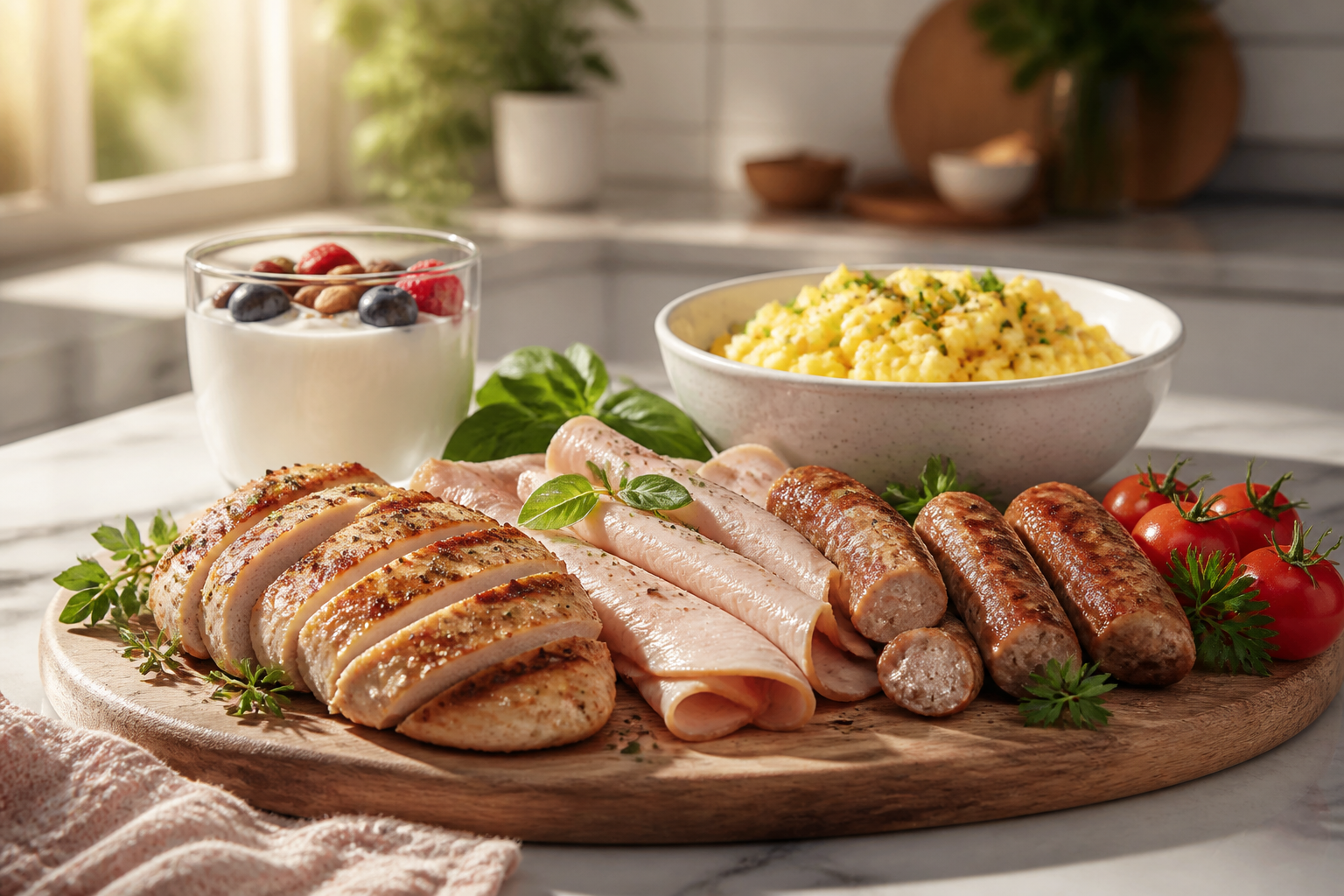
Looking to amp up your protein without turning every meal into a science project? You’ve got this. We’re talking real food, tasty options, and practical ideas you can actually use. FYI, boosting protein is easier than you think—no dramatic life overhaul required.
8 High Protein Foods Women Should Eat More Often
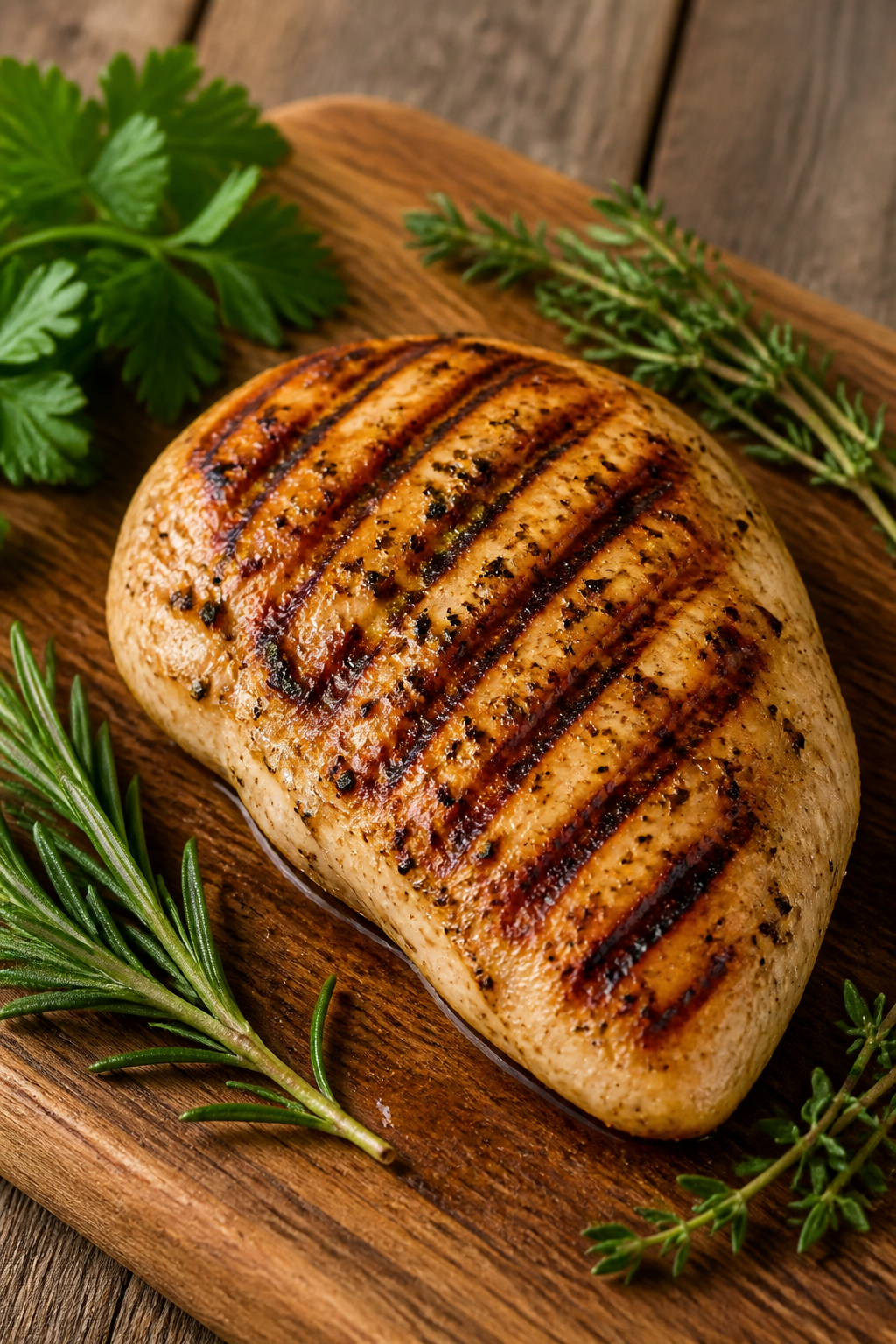
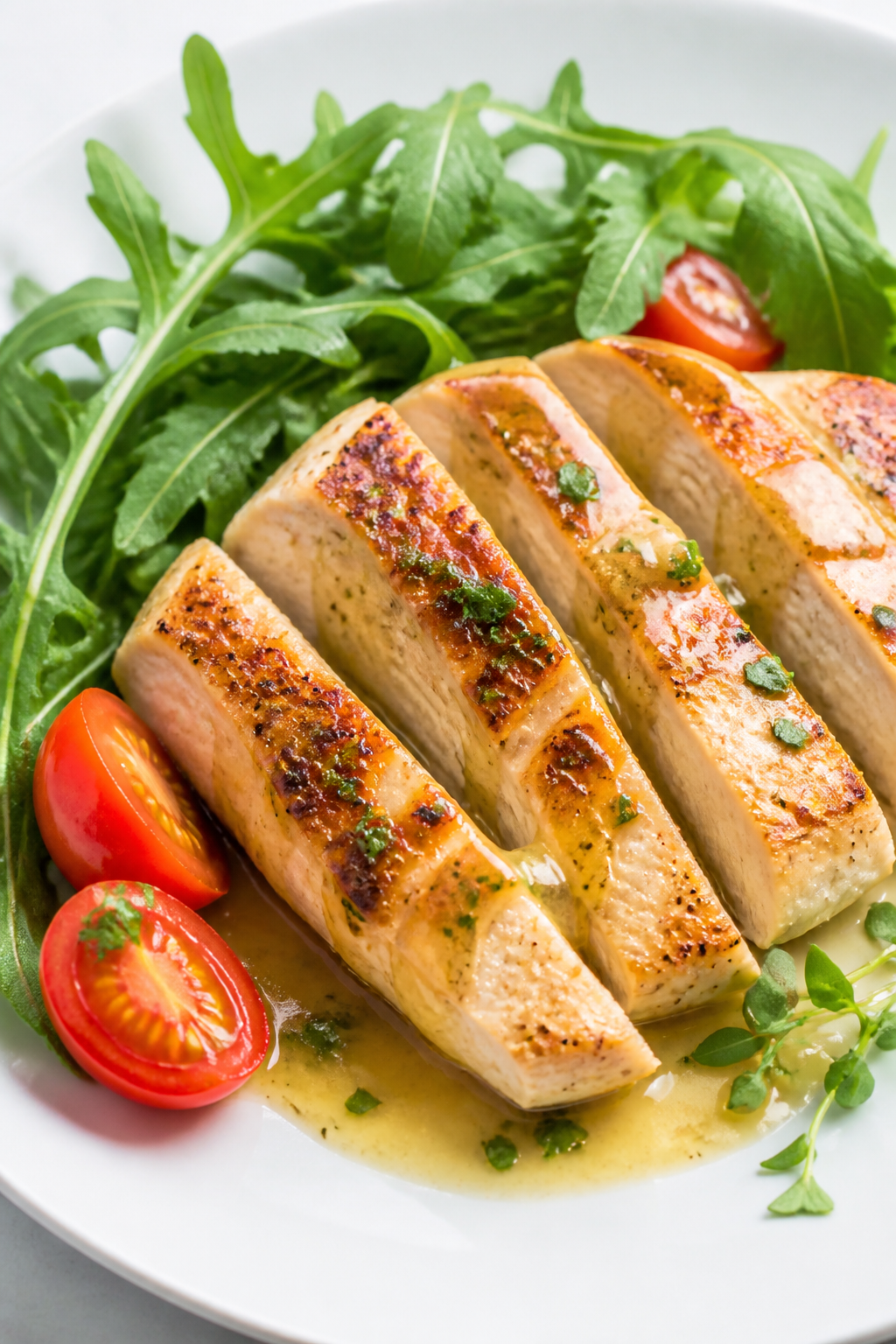
Chicken, Turkey, and Other Lean Poultry: The Easy Powerhouse
– Poultry is a classic for a reason: lean, versatile, and seriously protein-packed.
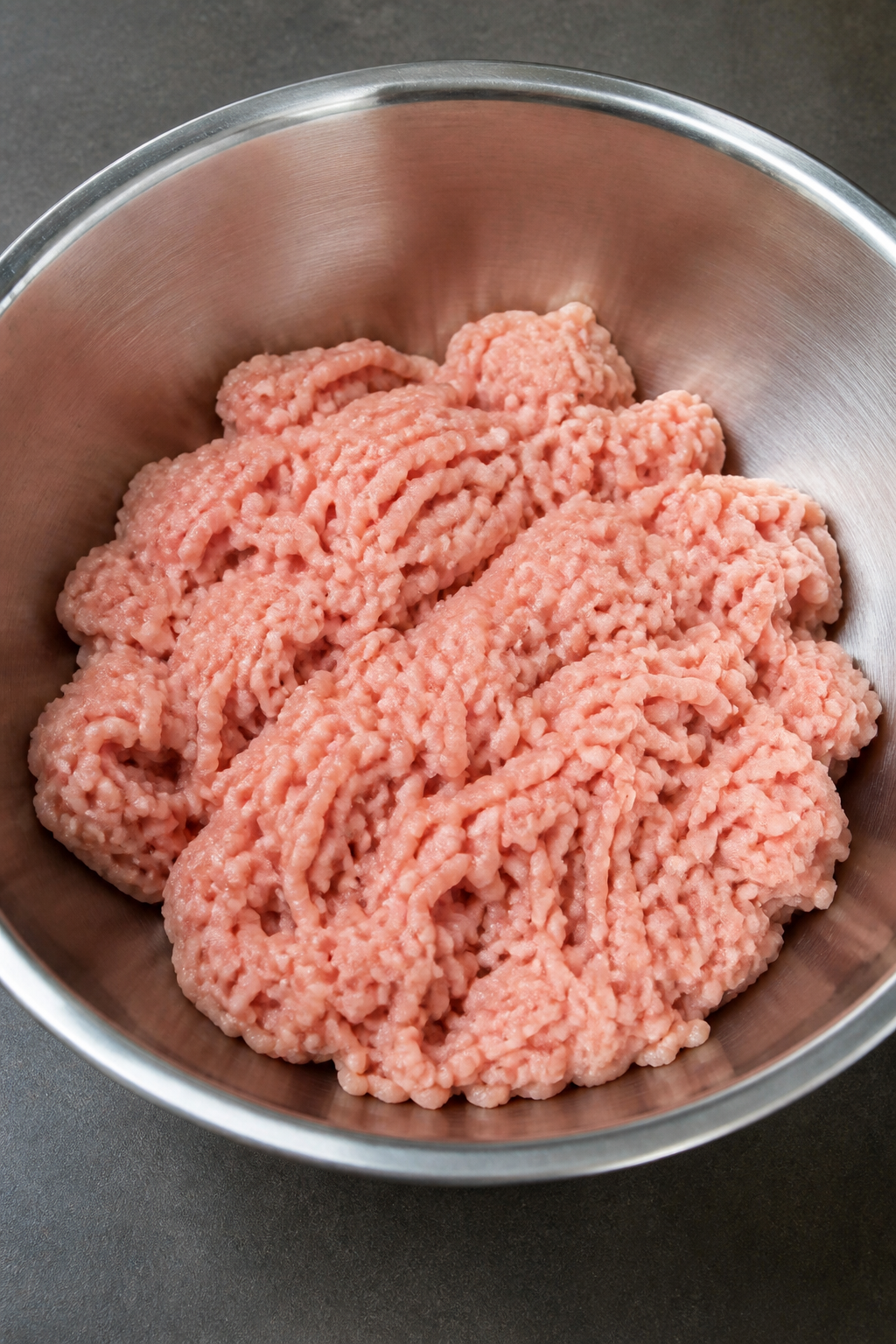
– A few reliable staples: chicken breast, turkey breast, and lean ground turkey.
Pro tips
Subsections
- Grill or bake in bulk on Sundays to cover weekday lunches.
- Season boldly and keep sauces light to avoid sneaking in hidden fats and calories.
Tips for best results
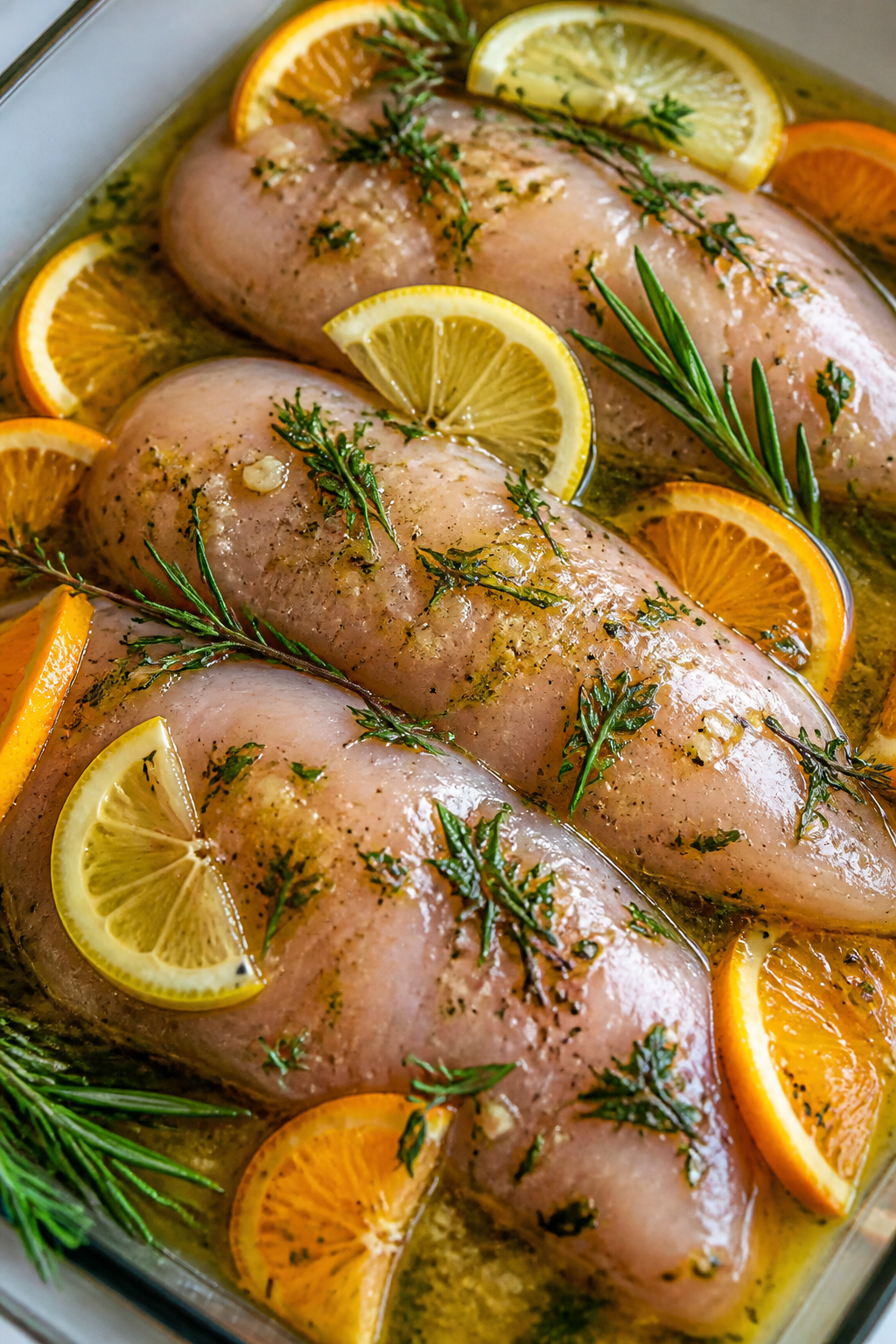
- Use a meat thermometer so you don’t dry it out. Juicy > dry, every time.
- Marinate for at least 30 minutes to boost flavor without adding fat.
Ingredient swaps
- Swap chicken for turkey sausage in breakfasts or scrambles for a protein punch with flavor.
- Use turkey burgers instead of beef patties for a lighter option.
Eggs and Dairy: Affordable, Flexible, Power-Packed
Eggs aren’t just for breakfast anymore. They’re a protein Swiss Army knife—easy, cheap, and delicious in any meal.
- Eggs: 6–8 grams of protein per egg, plus healthy fats and vitamins.
- Greek yogurt: thick, creamy, and a calcium bonus.
- Cottage cheese: versatile, high in casein for slow release protein at night.
Subsections
- Meal ideas: shakshuka, yogurt bowls, cottage cheese with fruit and nuts, or a veggie omelet.
- Portion tips for balance: mix with fruit, whole grain toast, or veggies to keep it filling.
Tips for best results
- Choose plain yogurt and add your own fruit or honey to control sugar.
- Cook eggs in a nonstick pan to avoid extra fat from oil or butter.
Ingredient swaps
- Swap Greek yogurt for a high-protein dairy-free option like soy yogurt if you’re dairy-free.
- Try aquafaba (the chickpea liquid) to make protein-rich, dairy-free scrambles and desserts.
Legumes and Pulses: Plant-Based Power
Legumes are budget-friendly, fiber-rich, and surprisingly protein-dense. If you’re dipping a toe into plant-forward meals, they’re your friend.
- Lentils, chickpeas, black beans, and kidney beans bring staying power to meals.
- Pair with whole grains to maximize amino acid balance.
Subsections
- Meal ideas: lentil soup, chickpea bowls, black bean tacos, or hummus on whole-grain pita.
- Best prep hacks: batch-cook dried beans, or use canned for convenience (rinsed well).
Tips for best results
- Rinse canned beans thoroughly to reduce sodium.
- Combine legumes with quinoa or barley to cover all essential amino acids.
Ingredient swaps
- Replace meat in recipes with lentils or black beans for a veggie-friendly twist.
- Use tofu or tempeh as plant-based protein options in stir-fries or bowls.
Fish and Seafood: Fast, Fresh, and Freshly Protein-Rich
Seafood isn’t just fancy-on-friday stuff. It’s a lean protein powerhouse with omega-3s that love your heart.
- Salmon, tuna, shrimp, and sardines are top picks.
- Aim for a couple of servings per week for variety and nutrients.
Subsections
- Simple prep ideas: baked salmon with herbs, tuna salads, shrimp stir-fries, sardine on toast.
- Flavor boosters: lemon, garlic, chili flakes, and a touch of olive oil.
Tips for best results
- Choose wild-caught or responsibly sourced options when possible.
- Avoid overcooking fish—tresents as dry and tough.
Ingredient swaps
- Swap fried fish with baked or grilled versions to cut extra fat.
- Use canned sardines in salads for a quick protein hit with a flavor punch.
Nuts, Seeds, and Nut Butter: The Crunchy Protein Boost
Don’t underestimate the power of a handful. Nuts and seeds are protein, fiber, and a satisfying crunch all in one.
- Almonds, walnuts, chia seeds, flaxseeds, pumpkin seeds, and peanut butter are stellar options.
- Great for snacks, toppings, or adding texture to meals.
Subsections
- Snack ideas: a small handful with yogurt, apple slices and almond butter, or chia pudding.
- Portion tips: nuts are calorie-dense, so keep portions to about a small handful.
Tips for best results
- Choose unsalted varieties to keep sodium in check.
- Grind seeds for easier digestion and better nutrient absorption.
Ingredient swaps
- Swap processed peanut butter with natural varieties to reduce added sugar.
- Try pumpkin seed butter as a tasty alternative for a nut-free option.
Seitan, Tofu, and Tempeh: The Protein-Plex for Plant Lovers
Love meat alternatives? These soy-based powerhouses soak up flavor like a sponge and keep you full for longer.
- Tofu is creamy and versatile; tempeh is nutty and hearty; seitan mimics meat texture beautifully.
- Great for stir-fries, bowls, or marinated grillables.
Subsections
- Flavoring ideas: soy sauce, garlic, ginger, and chili for a punchy profile.
- Texture tips: press tofu to remove moisture for better sear; bake tempeh for extra crispiness.
Tips for best results
- Press tofu for at least 15 minutes to improve texture and absorption of flavors.
- Marinate tempeh to tame its natural bite and boost aroma.
Ingredient swaps
- Swap chicken in a curry with tofu for a plant-based protein upgrade.
- Combine seitan with beans in a hearty burrito for a protein-packed veg feast.
Pro tips, Common mistakes, Variations, and Quick Comparisons
Pro tips
- Balance your plate: aim for a palm-sized portion of protein with veggies and whole grains.
- Hydrate consistently; protein metabolism runs best with adequate fluids.
Common mistakes
- Overcooking proteins, which dries them out and makes meals less enjoyable.
- Relying on one protein source every day—variety keeps you nourished and motivated.
Variations
- Switch up proteins by season. Heavy on seafood in spring, cozy legumes in fall, etc.
- Make batch meals (protein + grain + veggie) to ensure protein at every meal.
FAQ
Q: How much protein do I actually need per day?
A: It depends on your size, activity, and goals, but a good baseline is about 1.0–1.2 grams per kilogram of body weight for many women. If you’re training hard or aiming to lean out, you might go higher. FYI, consult a pro if you have specific medical needs.
Q: Can I get enough protein on a vegetarian/vegan diet?
A: Absolutely. Combine a variety of plant sources, like legumes, whole grains, nuts, seeds, and soy products, to cover all essential amino acids. It’s not complicated, just a little planning.
Q: Are protein supplements necessary?
A: Not usually. Whole foods beat fancy powders for most people, but supplements can help when you’re busy or have higher protein needs. IMO, use them as a backup, not a habit.
Conclusion
If you want to feel fueled, strong, and ready to take on the day, these high-protein foods are your friends. Mix and match across the categories, keep portions sensible, and don’t be afraid to get a little creative. IMO, the best approach is variety—your taste buds and your muscles will thank you. Ready to build meals that actually satisfy? Let’s go, chef!
Leave a Reply