Introduction
You’re chugging along on a high-protein plan and wondering why fat loss stalls. The culprit isn’t always calories or workouts—sometimes your protein habits slow things down. Let’s cut through the noise and spotlight the mistakes that creep in when you’re chasing leaner you.
1) Overloading protein and ignoring the rest of the meal
– You think more protein equals faster fat loss. Not so fast, champ. Your body can only use a certain amount for muscle repair and growth at once; the rest gets burned, stored, or excreted.
– If every meal is a protein dump with minimal carbs and fats, you may sabotage energy, workouts, and fat loss momentum. Carbs aren’t the enemy—they fuel intense sessions and recovery.
Tips for best results
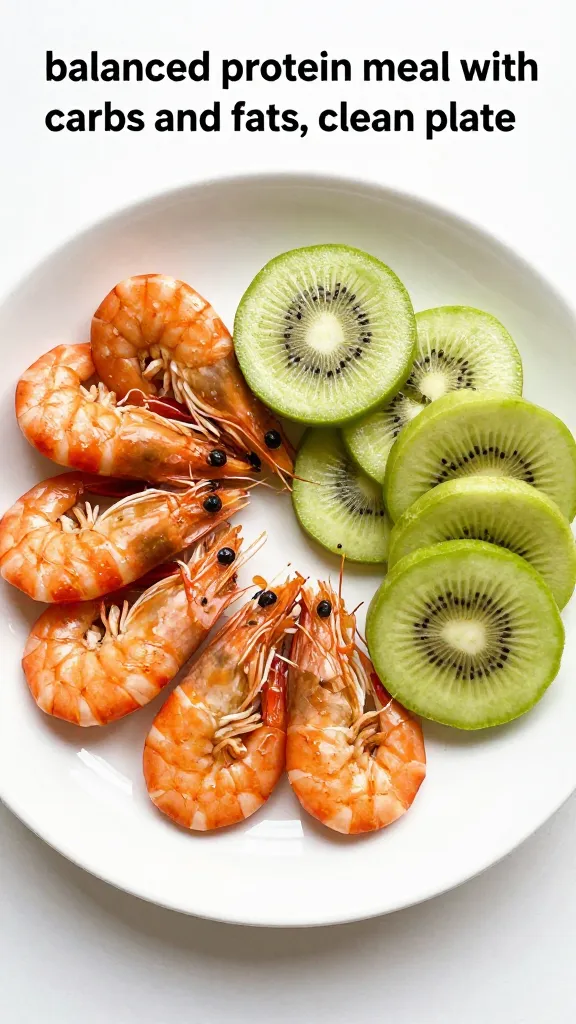
- Pair protein with balanced meals: include a fist-sized portion of carbs (fruit, grains, veggies) and a splash of healthy fats.
- Space protein intake evenly across 3–5 meals to support steady energy.
- Track more than grams: note how meals affect energy, hunger, and performance.
2) Protein timing that’s off the mark
– You’re chasing the perfect post-workout window like it’s the Holy Grail. Newsflash: the window isn’t a minute-by-minute sprint; it’s a general skate park—get your protein within a few hours if you can, but don’t stress a 20-minute deadline.
– A frequent pitfall: skipping protein at breakfast. If you wake up ravenous but your first meal is carbs or fat heavy, your body misses a prime anabolic cue.
How to time it smartly
- Start strong with a protein-rich breakfast or shake to set appetite and energy for the day.
- Post-workout, aim for 20–40g protein within 2–4 hours, depending on workout length and goals.
- Keep a protein-rich snack handy for afternoons when energy dips hit.
3) Lean protein obsession and hidden calories
– Lean proteins are fantastic, but sauces, toppings, and cooking oils add up. A “healthy” protein source can sneak in extra fat and calories you didn’t budget for.
– Think grilled chicken breast with a garden of veggies… plus olive oil, pesto, and cheese in the mix. Those adds up quick and can derail your deficit.
Ingredient swaps
- Use non-stick cooking spray or a dash of broth instead of heavy oil.
- Flavor boosters: herbs, lemon, vinegar, and chili without heating up calories.
- Choose lower-fat dairy or plant-based alternatives when appropriate to cut calories without sacrificing protein.
4) Protein powder as a crutch—and the sugar trap
– Protein powders are convenient, but many flavors hide sugar, syrups, or filler ingredients that spike calories and ruin macro balance.
– Casein before bed? Great for satiety, but not a license to cram your day with sugar-loaded shakes.
Smart powder picks
- Read labels: aim for low sugar, clean ingredients, and at least 20–25g protein per serving.
- Consider timing: shakes can replace snacks, but whole foods still win for fullness and nutrients.
- Experiment with blends (whey isolate for quick hit, casein for overnight) to fit your routine.
5) Too little fiber, too much protein obsession
– Protein is king, but fiber is the loyal sidekick. Without enough fiber, digestion slows, satiety wanes, and your gut doesn’t appreciate the party.
– A common mistake: ignoring veggies and whole grains while chasing a protein target. Your microbiome will squeal with joy if you include a rainbow of plants.
Fiber-friendly protein plans
- Aim for 25–38g fiber daily from a mix of vegetables, fruits, whole grains, and legumes.
- Choose protein sources that come with fiber-friendly accompaniments: beans, lentils, quinoa, edamame.
- Hydrate well to keep fiber doing its job without GI drama.
6) calories creep in from “healthy” protein snacks
– It’s easy to snack mindlessly on protein-rich options that are still calorie bombs: nuts in excess, protein bars with hidden sugars, or cheese sticks doused in olive oil.
-FYI: a handful of almonds is healthy until you’ve eaten the whole bag and realized your protein goals turned into fat storage.
Strategies to snack smarter
- Pre-portion snacks to avoid overeating—10–15 almonds, 1 string cheese, or a single yogurt cup.
- Choose high-protein, low-sugar snacks with staying power: Greek yogurt, cottage cheese, edamame, jerky without added sugar.
- Pair protein with fiber: apple slices with peanut butter, or carrots with hummus to boost fullness.
7) Relying on protein supplements to the exclusion of whole foods
– Supplements are handy, but they don’t replace a solid foundation of whole foods. Whole foods bring micronutrients, fiber, and bulk that powders can’t replicate.
– If you’re using multiple supplements, you might mask underlying dietary gaps and still stall fat loss.
Balance the stack
- Build meals around real foods: lean meats, fish, eggs, legumes, dairy, vegetables, fruits, whole grains.
- Reserve supplements for convenience, training days, or specific goals—not as daily crutches for bad eating habits.
- Review the plan every 4–6 weeks and adjust to plate composition and energy needs.
Common mistakes

Let’s call out the usual suspects that trip people up even when they “eat clean.”
- Ignoring total daily calories while chasing protein targets.
- Assuming more protein always equals more muscle or faster fat loss.
- Fixating on “low-fat” labels while forgetting portion sizes and added sugars.
- Skipping meals and then overeating later, breaking the protein balance you worked so hard to maintain.
Variations
Variation A: Plant-based protein focus
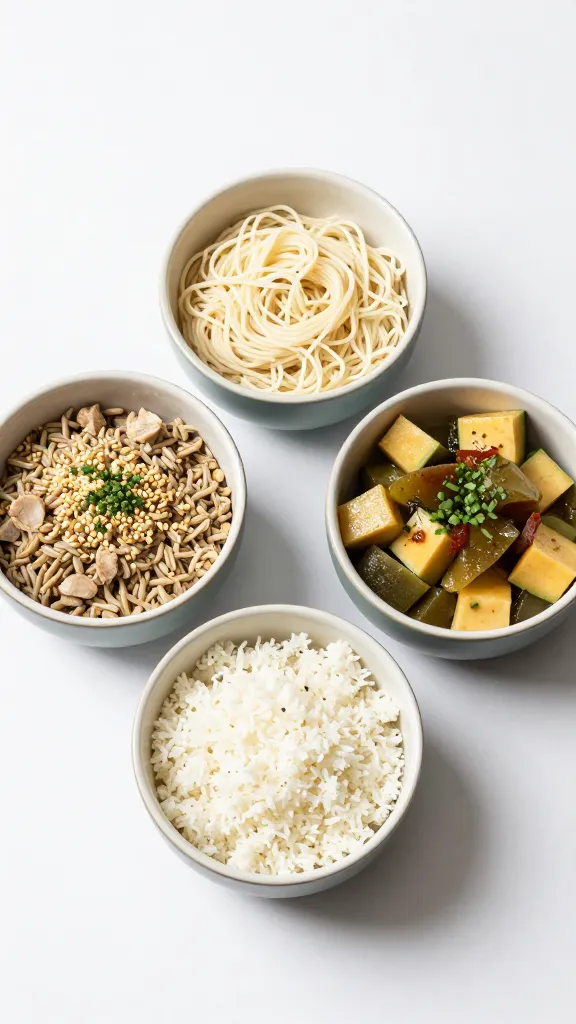
If you’re plant-forward, combine diverse proteins to cover essential amino acids. Think beans with rice, quinoa with lentil chili, or tofu stir-fries with veggies.
Variation B: Busy lifestyle adaptations
On-the-go? Prep portable options: hard-boiled eggs, Greek yogurt cups, cottage cheese with fruit, protein packs with whole foods. FYI, plan smart and you’ll avoid the drive-thru regret.
Variation C: Training phase tweaks
Heavy lifting weeks might justify a slight protein bump for recovery, while deload weeks could scale back a touch. Tune fuel to training intensity.
Pro tips
- Track macros for a few weeks to see where your protein sits relative to carbs and fats.
- Use a simple plate model: half plate vegetables, a quarter lean protein, a quarter carbs, and a thumb of fat.
- Keep protein sources varied to cover micronutrient bases and keep meals interesting.
FAQ
Q: How much protein do I really need for fat loss? A: It varies, but many people do well with about 1.6–2.2 grams of protein per kilogram of body weight per day, spread across meals. If you’re highly active, you might aim toward the higher end. If you’re unsure, start with a solid target and adjust based on hunger, performance, and progress.
Q: Can I eat only protein to lose fat? A: No. Your body needs a balanced mix of carbs, fats, and protein for energy, hormones, and overall health. Protein helps, but it isn’t magical on its own.
Q: Do I need protein before bed? A: It helps some people with overnight recovery and appetite control, especially if they train in the evening. A small, slow-digesting option like casein can work for that, but it’s optional.
Q: Are protein shakes bad for fat loss? A: Not inherently. They’re convenient. The issue is added sugars, calories, and how they fit into your daily plan. Read labels and use them to fill gaps, not replace meals.
Conclusion
You don’t need a drastic overhaul to fix high-protein mistakes slowing fat loss. Small tweaks—balancing meals, timing, mindful snacking, and leaning on whole foods—add up. Keep protein purposeful, not punitive, and your fat-loss journey stays sustainable and actually enjoyable. IMO, consistency beats perfection every single time. FYI, progress isn’t a straight line, but a series of mindful choices that compound over time. Ready to tighten up your plan and feel stronger doing it? Let’s put these tips into action and watch the scales, and more importantly, your energy, thank you.
Leave a Reply