Introduction
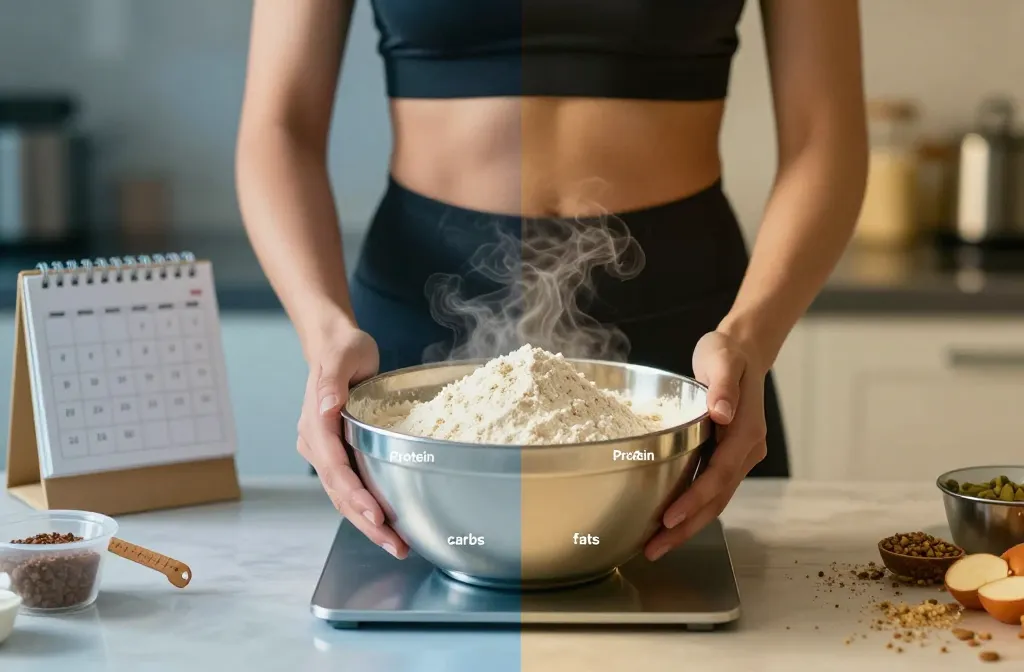
You’re dumping extra protein into every meal, lifting like a maniac, and still watching the scale stall. What gives? A high-protein diet can help some people lose fat, but there are plenty of sneaky reasons you’re not seeing the results you want. Let’s troubleshoot, not reinvent your entire lifestyle.
Why high protein isn’t a magic wand
Protein gets all the hype, but the body doesn’t hand you fat-burning prizes on demand. You still run into calories, hormones, sleep, and movement gaps. If you’re not losing weight, proteins aren’t the problem alone—they’re part of a bigger system.
Section: Are you actually in a caloric deficit?
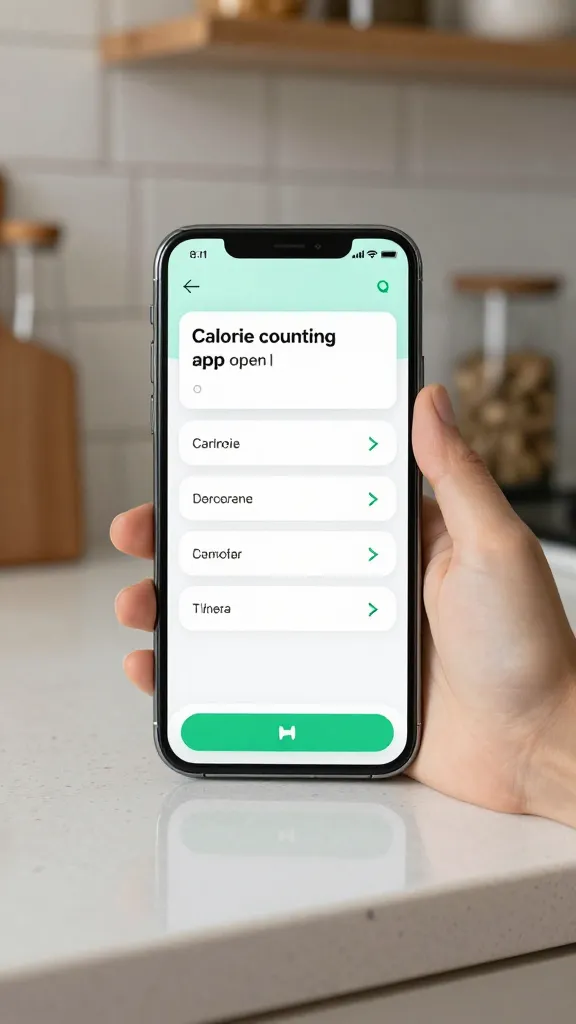
Calorie balance still rules the roost. Even with high protein, if you’re eating more calories than you burn, you won’t lose fat.
– Track loosely for a week: breakfast, lunch, dinner, snacks.
– Compare intake to estimated needs based on activity.
– Don’t obsess; aim for a modest deficit (roughly 300–500 calories/day).
FYI: some “high protein” foods come with surprises—protein shakes can hide extra carbs and fats. Read labels like a detective.
Protein timing and distribution—does it matter?
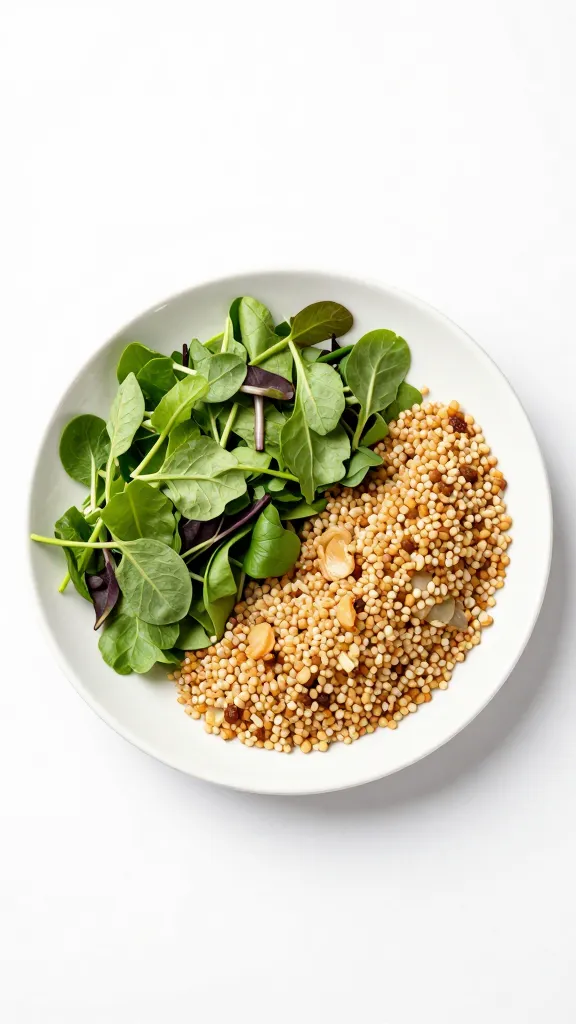
You might assume protein timing is everything, but it’s more nuanced. Spreading protein across meals helps with satiety and muscle preservation, but four protein fests in a row won’t double your results.
– Aim for 20–40 grams of protein per meal, depending on body size and activity.
– Include protein in snacks to prevent long hunger gaps.
– Post-workout, prioritize protein plus a small carb to replenish glycogen.
Are you overdoing protein at dinner and starving later? Balance it so you’re not swinging between binge and restraint.
Quality, not just quantity: the protein you choose matters
Not all proteins are created equal in how they affect fullness, metabolism, and appetite.
– Favor high-quality sources: lean meats, fish, eggs, dairy, soy, and legumes.
– Include fiber with protein to boost fullness and gut health.
– Watch for ultra-processed protein products that sneak in sugar or unhealthy fats.
Subsection: Ingredient swaps (Tips for best results)
– Swap: Protein shakes → Greek yogurt with berries and a sprinkle of chia.
– Swap: Low-fat, bland proteins → seasoned poultry or fish with herbs and lemon.
– Swap: Heavy cream sauces → tomato-based sauces or olive oil, garlic, and herbs.
Common mistakes that derail high-protein fat loss
Let’s call out the usual suspects so you don’t trip again.
– You think “protein light” means calorie-light. Not always—watch condiments and sauces that pile on calories.
– You’re not lifting enough or you’re overdoing cardio. You need a balanced mix to preserve muscle while losing fat.
– Hydration and sleep get the short end of the stick. Both influence appetite and metabolism.
– You forget fiber and micronutrients. A protein-heavy plate without vegetables misses fullness and vitamins.
Pro tips
– Keep protein sources varied to cover all amino acids and micronutrients.
– Plan meals ahead so you don’t default to high-calorie grab-and-go options.
– Use a rough plate model: half veggies, a quarter protein, a quarter carbs or healthy fats.
Variations
– Plant-forward plan: mix lentils, quinoa, tofu, tempeh, and beans with vegetables.
– Keto-ish approach: lean protein, non-starchy veggies, and healthy fats, with careful carb control.
– Intermittent fasting variant: align your feeding window with workout times and protein targets.
FAQ
Q: I’m consuming tons of protein, but the scale won’t move. What gives?
A: You might be eating too many calories overall, or you’re not moving enough. Also, hormones from stress and sleep debt can sabotage weight loss. Re-check portions, hydration, and sleep quality.
Q: Can I overdo protein and gain weight?
A: Yes, protein has calories too. If you consistently exceed your energy needs, the surplus goes somewhere—likely fat or stored energy. Moderation and distribution matter.
Q: How important is fiber with a high-protein diet?
A: Very important. Fiber helps fullness and digestion, and it supports gut health. Pair protein with vegetables, fruits, and whole grains or legumes.
Q: Do I need to track every bite?
A: Not forever. A short tracking phase helps you understand where you stand. After that, you can rely on intuition and standard portions, but check in if you stall.
How sleep, stress, and movement interact with protein
Protein is a piece of the puzzle; sleep, stress, and activity play starring roles too.
– Sleep: Poor sleep disrupts hormones that regulate appetite, making overeating more likely.
– Stress: Chronic stress can raise cortisol, which may drive cravings and storage around the midsection.
– Movement: Resistance training preserves lean mass, which keeps your metabolism humming while you lose fat.
Do you feel like you’re doing everything right but still stuck? Consider a mini-audit of sleep duration, stress management, and weekly workouts.
Practical plan: a sample week for a high-protein fat-loss approach
– Breakfast: eggs or Greek yogurt with berries and nuts.
– Lunch: chicken or tofu salad with mixed greens and olive oil dressing.
– Snack: cottage cheese with cucumber or a protein shake with a small apple.
– Dinner: fish or lentils with vegetables and quinoa or sweet potatoes.
– Training: 3 strength sessions and 2 cardio sessions, with at least one day of full rest.
Tips for best results:
– Prep protein-rich options in advance so you’re not scrambling.
– Season boldly to keep meals satisfying without extra calories.
– Track your weight trend for 2–3 weeks to identify real progress, not day-to-day noise.
Common questions about high-protein weight loss, answered
FAQ:
– Is it better to eat most protein at dinner? Not necessarily. Spreading it through the day helps with satiety and muscle maintenance.
– Do I need supplements? Supplements can help if you’re not meeting protein goals with whole foods, but they’re not mandatory.
– Can a very high-protein diet harm me? It can strain kidneys in people with pre-existing issues and may reduce fiber intake if you overemphasize protein sources. Balance is key.
Conclusion
High protein helps, but it isn’t a magic ticket. You’ll likely see results when you combine steady protein with a modest calorie deficit, smart meal timing, quality sources, and a solid training plan. Don’t chase perfect macros; chase consistency, sleep, and movement. If you’re honest about your habits and tweak where needed, you’ll start shedding fat without sacrificing your bacon-waving love for protein.
Leave a Reply