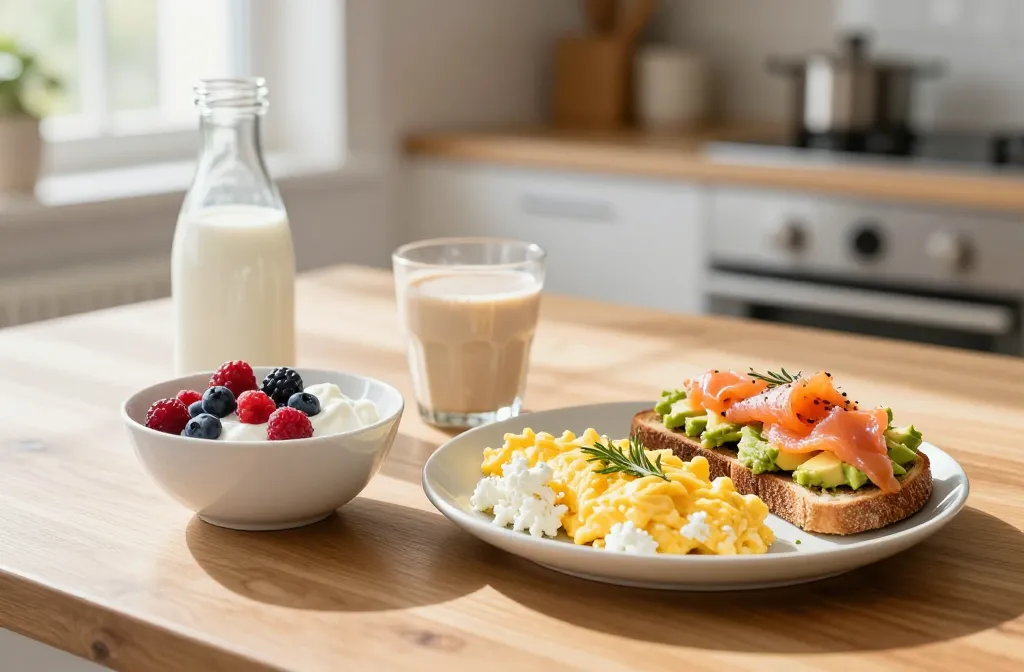
I’m not here to preach protein sermons. I’m here to show you simple, tasty ways to sneak protein into every meal without turning your kitchen into a science lab. You’ll be shocked how easy it is to boost hits of protein with everyday foods. Ready to mix, match, and snack smarter? Let’s go.
Protein on autopilot: simple hacks that work with what you already eat
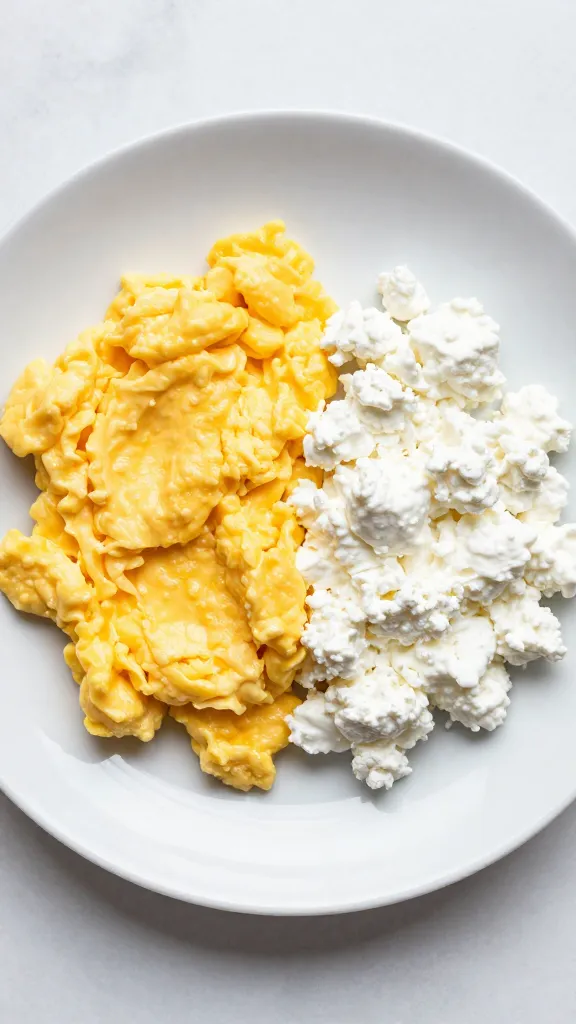
Ever notice how a good protein hit can transform a meal from meh to momentum? You don’t need rocket science or a pantry full of weird powders. Just a few quick tweaks, and your plate starts packing a punch. FYI, these hacks work for breakfast, lunch, dinner, and even late-night cravings.
Power boost: add protein to breakfast without breaking routine
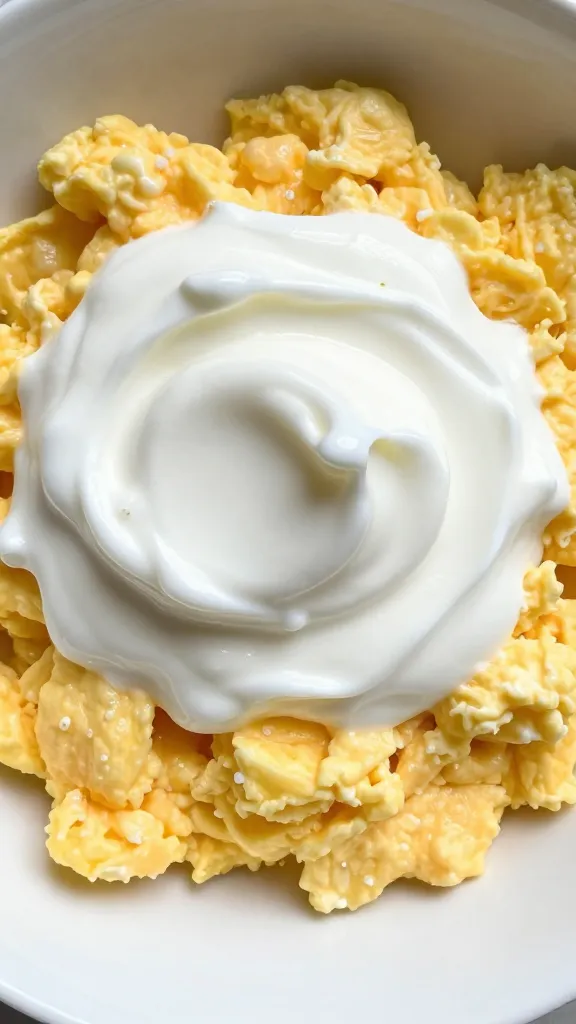
Starting the day with protein sets the tone. It helps you feel full longer and keeps crankiness at bay until that next snack.
Eggs 2.0: smarter prep
– Scramble with cottage cheese folded in for a creamy lift.
– Add a couple of spoonfuls of Greek yogurt into omelets for tang and protein punch.
– Top avocado toast with smoked salmon or turkey slices for a savory boost.
Grease the gears with dairy-free options
– Blend silken tofu into smoothies for a silky texture and hidden protein.
– Use fortified plant milks (almond, soy, or pea) and add a scoop of protein powder if you’re strict about protein goals.
– Nut butters on toast count too, especially if you pair with a glass of soy milk or a DIY protein smoothie.
Tips for best results
– Keep hard-boiled eggs ready in the fridge for a grab-and-go protein hit.
– Don’t fear a little cheese: a sprinkle on savory oats or a yogurt bowl adds flavor and heft.
– Aim for 20–30 grams of protein in breakfast if you can swing it.
Lunch that lasts: keeping meals protein-rich without ordering a gym’s worth of food

Lunches often derail to carb-central. Let’s flip that script with easy, protein-forward choices that still feel like lunch.
Lean protein, big flavor
– Build bowls with a base of quinoa or farro, add chickpeas or black beans, then pile veggies and a zippy yogurt-tahini dressing.
– Tuna, chicken, or tempeh on a whole-grain wrap with crunchy veggies keeps you satisfied.
– Add a side of edamame or a protein-packed salad to boost total grams without messing with flavors.
Soup with a sidekick
– Steer toward lentil or bean soups, which naturally pack protein. Garnish with a dollop of yogurt or a handful of seeds for extra oomph.
– Stir in cottage cheese or a scoop of Greek yogurt after cooking for extra creaminess and protein.
Ingredient swaps
– Swap croutons for roasted chickpeas in salads for crunch and protein.
– Use Greek yogurt instead of sour cream in dressings or dips.
Dinner that doesn’t derail your evening plan
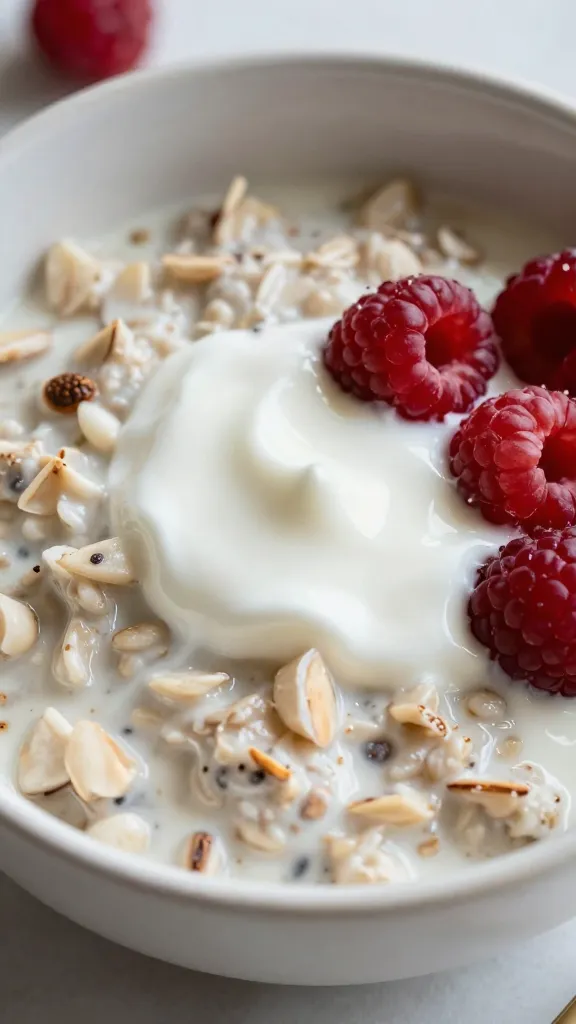
Dinner is your prime time to seal in protein without turning cooking into a long saga. These approaches keep things tasty and efficient.
One-pan protein wins
– Bake chicken thighs with chickpeas and veggies in one sheet pan. Simple, flavorful, and easy cleanup.
– Salmon fillets on a bed of lentils with coppery roasted veggies bake up fast and stay juicy.
Turn leftovers into protein magic
– Leftover roasted chicken can star in a quick stir-fry with frozen veggies and a splash of soy sauce.
– Stir tuna or salmon into whole-grain pasta with veggies for a satisfying protein boost.
Tips for best results
– Don’t overcook proteins; they get dry and sad. Use a thermometer if you’re unsure.
– Pair protein with fiber-rich carbs and healthy fats to maximize satiety.
– Don’t be afraid to season boldly—protein loves a good spice blend.
Pro tips, common mistakes, variations, and quick comparisons
Pro tips
– Plan a “protein-forward” dinner twice a week to build consistency without effort.
– Pre-portion protein-rich snacks (nuts, yogurt cups, cheese sticks) so you’re not tempted to grab junk.
– Use protein-rich toppings like hemp seeds, chia seeds, or nutritional yeast to add flavor and grams.
Common mistakes
– Skimping on portions: you can’t out-train a protein deficit with activity alone.
– Veggies with no real protein pairings: a salad with only veggies leaves you hungry fast.
– Relying too much on powders: whole foods should still carry most meals for variety and micronutrients.
Variations
– Make-ahead protein bowls: cook a big batch of quinoa, beans, and roasted veggies; mix with your favorite protein each day.
– Plant-forward week: swap some animal protein for lentils, tempeh, or seitan without losing satiety.
– Budget-friendly swap: canned beans, canned tuna, and eggs are your friends.
Comparison blocks
– Eggs vs. Greek yogurt for breakfast: Eggs give you versatile cooking options and 6–7 grams per egg; Greek yogurt adds creamy texture and about 10 grams per 150-gram serving—great for smoothies or bowls.
– Chicken vs. beans for lunch: Chicken offers complete protein with all essential amino acids, while beans bring fiber and minerals but may lack one or two amino acids (combining with grains fixes that).
– Tofu vs. fish for dinner: Tofu is versatile and protein-rich, plant-based and cheap; fish provides complete protein and omega-3s but can be pricier and require careful sourcing.
FAQ: quick answers to common questions
Q: How much protein do I actually need per meal?
A: It depends on your body, activity, and goals, but a practical target is 20–40 grams per main meal for most adults. If you’re lifting heavy or trying to gain muscle, aim toward the higher end.
Q: Can I really add protein to anything?
A: Yes, with smart swaps and toppings. Think Greek yogurt in sauces, seeds on soups, or beans stirred into pasta sauces. It’s all about creative pairings that fit your taste.
Q: What’s the easiest source of protein for non-meat eaters?
A: Legumes (beans, lentils), yogurt/soy-based products, tempeh, tofu, seitan, and quinoa. Mix and match to cover essential amino acids.
Variations, swaps, and extra ideas to keep it fresh
Flavor boosters
– Use protein-rich sauces: yogurt-based ranch, tahini-lemon, or chimichurri with seeds.
– Add umami with miso in soups and stews for depth and protein boost.
– Sprinkle nutritional yeast on popcorn, pasta, or roasted veggies for a cheesy, protein-packed finish.
Texture tricks
– Mix crumbled tofu into scrambles to mimic feta or cheese textures.
– Add toasted seeds or crushed chickpeas for crunch in bowls and salads.
Conclusion
Chances are you already have the tools to level up every meal with protein. It’s not about turning your kitchen into a lab or counting every gram—it’s about smart choices, quick tweaks, and a little creativity. Start with one or two hacks today: toss Greek yogurt into your morning oats, toss beans into your lunch salad, or bake a sheet-pan dinner that features a solid protein. Before you know it, protein becomes your kitchen sidekick, not a stubborn obstacle. IMO you’ll feel more energized, fuller longer, and less snacky between meals. Give it a week, and you’ll wonder how you ever ate without this boost.
Leave a Reply