
There’s no magic pill for speedy gains, but there are foods that hit your appetite and your muscles without turning your gut into a factory of drama. Let’s cut the fluff and dish out the best high-protein options that are actually easy to digest. Your gut will thank you, and so will your workouts.
What “easy to digest” actually means here
You’re not chasing rocket fuel—just protein that doesn’t bounce around in your stomach like popcorn in a microwave. Easy-to-digest proteins typically:
- Have lower levels of lactose, lactose-reducing enzymes, or are lactose-free
- Aren’t super high in fiber or fat all at once
- Contain complete amino acid profiles or are paired with gentle carbohydrates
If you’ve got sensitive digestion, a small serving to start and a moment of patience can reveal your best options. FYI, listening to your body beats any “one-size-fits-all” rule.
Eggs: the classic that still nails it

Eggs are the OG protein powerhouse with a tiny digestion footprint. They cook fast, blend easily, and don’t crash your blood sugar if you pair them right.
- One large egg packs about 6 grams of protein with all nine essential amino acids.
- Hard-boiled, scrambled, or poached, eggs are versatile enough to fit breakfast, lunch, or dinner.
- If dairy irritates you, eggs are a safe, friendly option that rarely causes trouble.
Tips for best results:
- Keep fats moderate by cooking with a little olive oil or spray; skip heavy sauces that sit like a brick in your stomach.
- Pair with a gentle carb like whole-grain toast or fruit to help digestion stay calm.
Greek yogurt (lower lactose options if sensitive)
Greek yogurt is protein-rich, creamy, and crowd-pleasing. If dairy isn’t your friend, look for lactose-free or strained varieties with less lactose.
- High in casein and whey, giving you both slow and fast-digesting protein benefits.
- Probiotics can be a gut boost, but check labels—some flavored versions hide extra sugar.
Deep dive:
Tips for best results
- Choose plain Greek yogurt and add your own fruit or a drizzle of honey to control sugar.
- Combine with a handful of seeds or nuts for extra texture without overloading digestion.
Ingredient swaps
- Swap in lactose-free Greek yogurt if lactose is gnawing at you.
- Try a dairy-free almond or coconut yogurt with added pea protein for a similar protein punch.
Butter beans and lentils: plant-based, gentle on the tummy

Yes, beans are legendary for fiber, but certain preparations keep them kinder to your gut while still delivering protein.
- Butter beans (aka lima) are milder and often easier to digest than chickpeas or kidney beans for some folks.
- Lentils, especially the red/yellow varieties, break down faster than green or brown ones.
How to make them friendlier to your gut:
- Rinse well and soak overnight if you can; cooking with a touch of kombu (seaweed) is rumored to help digestion.
- Pair with a gentle carb like rice or quinoa to slow digestion and avoid a furious gut charge.
White meat and fish: lean protein that’s easy on the system
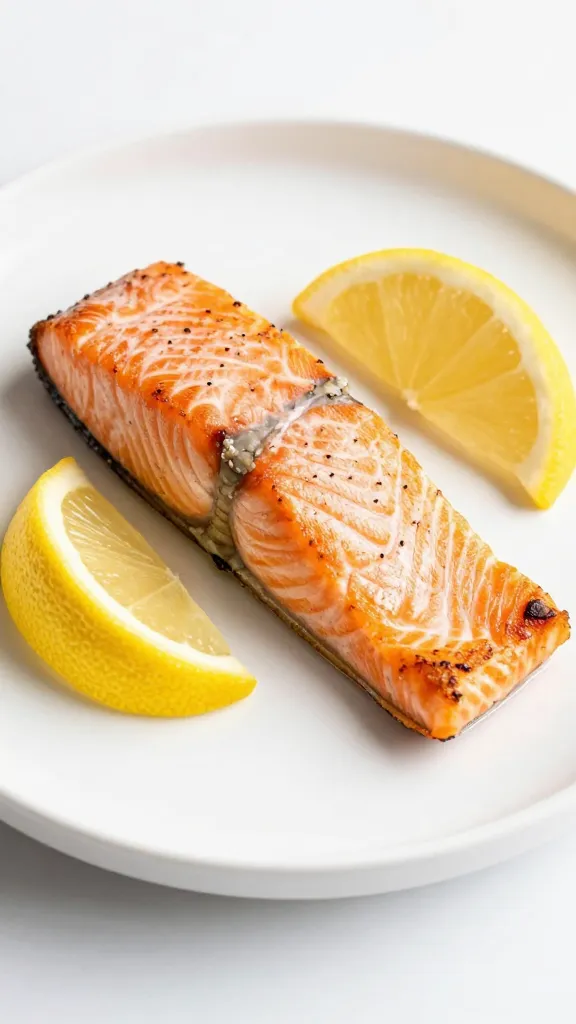
Chicken breast, turkey, and white fish like cod or tilapia can be mighty digestion-friendly when prepared simply.
- Lean proteins minimize fat content that can slow digestion.
- White fish cooks quickly and often digests smoothly, especially when baked or steamed.
If you’re experimenting:
- Keep seasoning light and avoid heavy creams or butter sauces that bog things down.
- Consider rotating proteins to avoid digestive fatigue from hitting the same meals day after day.
Hydrolyzed (or easily digested) whey and other complete proteins
If you rely on supplements, go for hydrolyzed or isolate forms—they’re pre-broken down for faster digestion.
- Hydrolyzed whey isolate is typically easier on sensitive stomachs than concentrate.
- Pea protein and other plant proteins have improved, but individual tolerance varies.
Starter plan:
- Have a small shake post-workout or as a quick snack, then assess how your gut handles it.
- Pair with a small amount of simple carbs like a banana or toast if you’re using it after training.
Pro tips
- Always start with a small portion to test your tolerance, then scale up if you feel fine.
- Gradually increase fiber and fat around high-protein meals to avoid surprises.
Common mistakes
- Overloading meals with protein and fat at once—your gut isn’t a factory reset button.
- Ignoring thirst and hydration; digestion loves water, especially with fiber-rich foods.
Variations: quick, easy combos you can actually make
Here are simple blends that soothe digestion while cranking up protein.
- Egg scramble with spinach and a side of sliced apple
- Greek yogurt bowl with blueberries and a sprinkle of chia seeds
- Rice bowl with grilled chicken, steamed veggies, and a light soy-ginger drizzle
- Lentil soup with a splash of lemon and a side of sourdough bread
Yes, you can mix and match without turning meal prep into a full-time job. FYI, plating matters—pretty plates make your brain happier about eating, which sometimes helps digestion too.
FAQ: quick answers to common questions

Q: Can I eat high-protein foods every day if I have a sensitive stomach?
A: Start slow, rotate protein sources, and watch how your gut responds. Some people thrive on variety; others find a pattern that works for them.
Q: Are protein shakes bad for digestion?
A: Not inherently. Choose a formula suited to your tolerance (isolate or hydrolyzed if dairy is touchy) and keep added sugars in check. Keep portions reasonable and give your gut time to adjust.
Q: Is dairy-free always better for digestion?
A: Not necessarily. Some people tolerate dairy fine; others do better with dairy alternatives. Listen to your body and test options one at a time.
Pro tips, common mistakes, and quick swaps
Pro tips
- Experiment with timing: some people digest proteins better earlier in the day, others post-workout.
- Combine protein with gentle carbs to help absorption and avoid blood sugar spikes.
Common mistakes
- Chugging protein without hydration; your kidneys and gut will not thank you.
- Skipping fiber entirely for days—your gut needs it in sensible amounts to stay happy.
Ingredient swaps
- Swap dairy yogurt for almond yogurt with added pea protein if dairy is problematic.
- Use canned tuna in water instead of oil-packed versions if you need a lighter option.
Conclusion
Finding high-protein foods that don’t drag your digestion down is not about pinching pennies on taste. It’s about tuning your personal mix so your body can actually use the protein you eat without throwing a tantrum. Start with the friendly options above, listen to your gut, and tweak as you go. IMO, consistency beats chasing one perfect food, and a little humor helps you stay the course. You’ve got this.
Leave a Reply