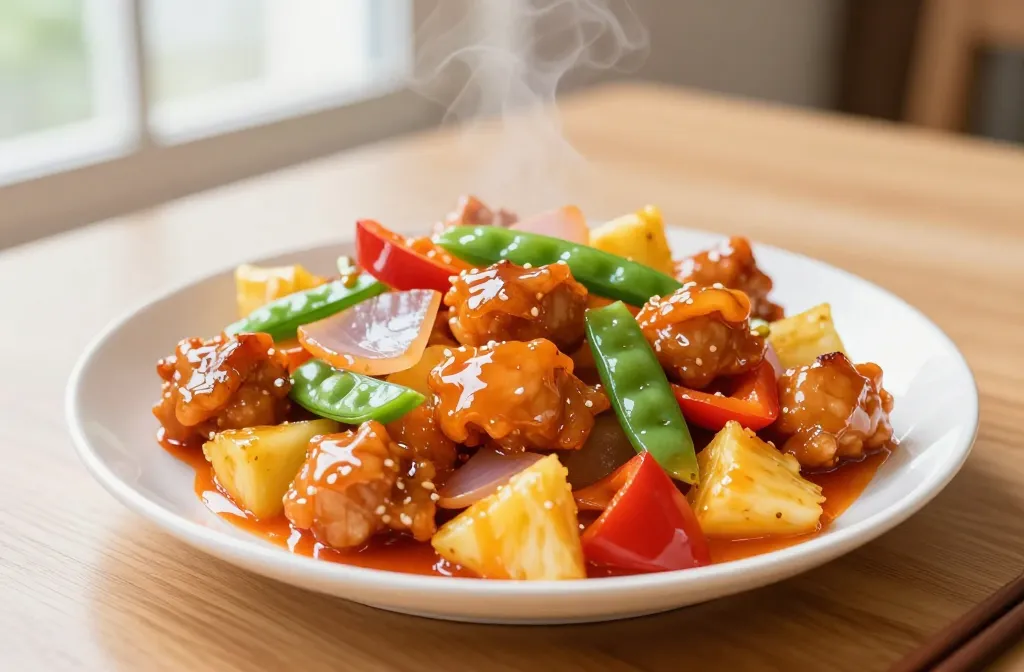
The thrill of a high-protein dish without dull flavors? Yes, please. High-Protein Sweet and Sour Chicken is your new weeknight MVP—tangy, saucy, and satisfying enough to actually fuel your workouts. It’s not a kale smoothie masquerading as dinner; it’s real, crave-worthy comfort with a protein punch.
What makes this version high-protein and not just sauce?
You’re not dipping fried chicken in more sugar, you’re upgrading with lean protein, smart starch choices, and a bold glaze. Think chicken breast or thigh trimmed of excess fat, plus veggies that bring fiber and color. The sauce? Sweet and sour, but dialed in with less sugar and more bright notes from pineapple, vinegar, and a touch of soy or tamari. FYI, the protein-to-carb balance actually helps you feel fuller longer, so you won’t end up reaching for a midnight snack. Sounds like a win, right?
Base ingredients that actually work
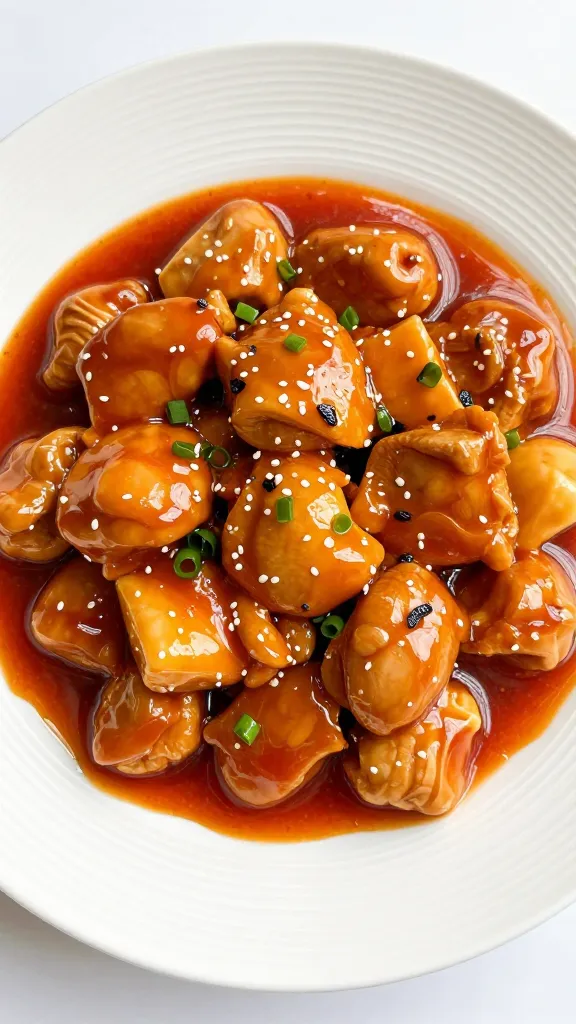
- Protein: chicken breast is classic, but thighs stay juicy. Either works when you keep portions reasonable.
- Veggies: bell peppers, pineapple chunks, onion, and a crunch-friendly option like snap peas or broccoli florets.
- Sauce: a bright tang from rice vinegar and pineapple juice, with a touch of ketchup or tomato paste for color and depth.
- Coating: a light cornstarch slurry or arrowroot to get a glossy, crisp-ish finish without deep-frying.
- Flavor boosters: garlic, ginger, soy or tamari, a whisper of sesame oil, and chili for a nudge of heat.
How to keep the protein juicy and the sauce glossy
For the sauce, simmer it until it thickens to a lacquered sheen. No one wants a soupy mess that slides off the chicken. If you want to squeeze in extra protein without extra fat, bulk the dish with more veggies and keep the sauce ratio on the lighter side.
Cooking method options: quick stir-fry vs. bake-and-glaze
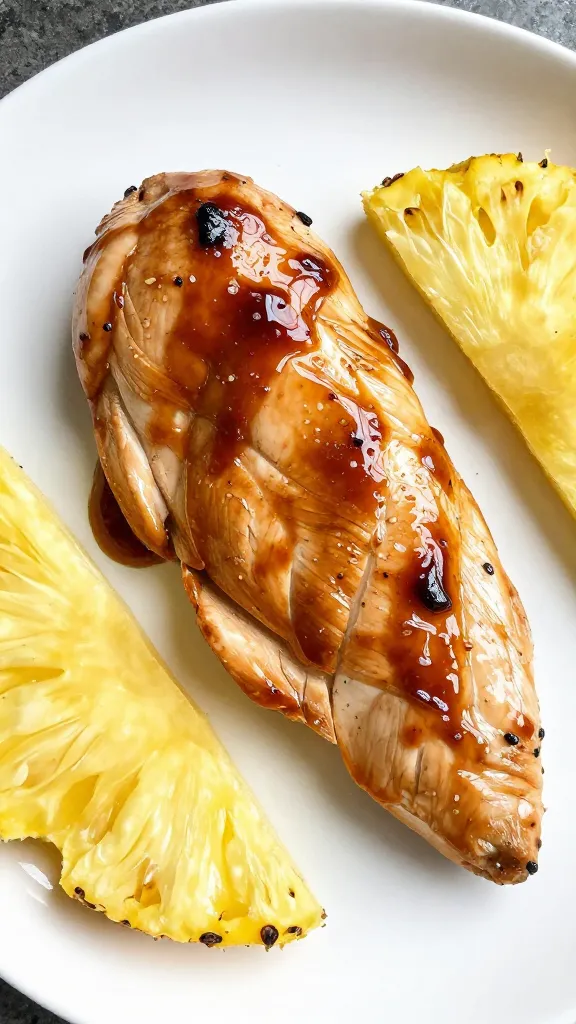
- Stir-fry: hot pan, a little oil, chicken sears fast, veggies crisp-tender, sauce reduces in minutes. Perfect for weeknights.
- Bake-and-glaze: coat chicken, bake until just cooked through, then toss with sauce and veggies in a hot pan for a glossy finish. This is great if you’re avoiding a hot skillet.
Which one should you pick? If you crave that immediate sizzle, go for the stir-fry. If you’re after hands-off with a glossy end, bake-and-glaze works like a charm. IMO, a quick stir-fry wins for flavor depth and control.
Flavor boosters that won’t derail the protein plan
- Acid balance: rice vinegar and a splash of pineapple juice keep things lively without adding boatloads of sugar.
- Sweet spot: use a small amount of honey or maple syrup if you must; otherwise rely on pineapple to do the heavy lifting.
- Umami: a dab of soy/tamari or miso paste boosts savory notes without piling on calories.
- Heat: red pepper flakes or sriracha for a quick kick—adjust to your tolerance.
Tips for best results
- Marinate the chicken for 15-20 minutes if you have the time; even a short soak in soy, garlic, and ginger perks up flavor.
- Keep the veggies vibrant by tossing them in at just the right moment—peppers and onions soften quickly, while broccoli can take a tad longer.
- Mix your sauce separately and taste before coating everything—your future self will thank you.
Pro tips
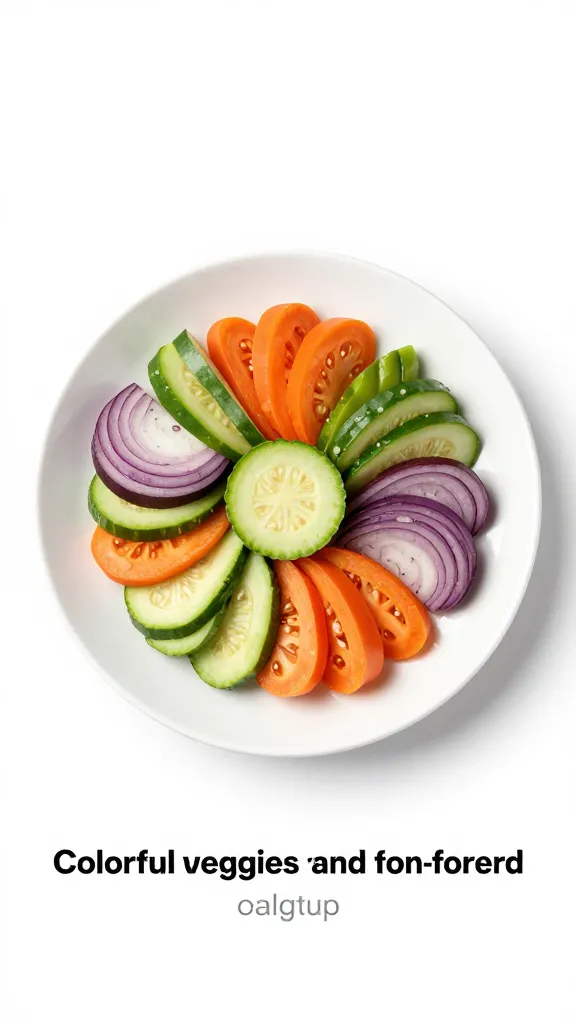
- Protein-first mindset: portion control matters. A typical serving is about 4-6 oz cooked chicken with a generous helping of veggies.
- Sauce slickness: thicken with a cornstarch slurry right before tossing with the chicken. Too early and you’ll lose that glossy finish.
- Texture game: don’t overcrowd the pan. Cook in batches to maintain that sear instead of steaming the chicken.
Common mistakes (so you don’t make them)
- Overloading with sugar substitutes or too much honey. Save the sweet for balance, not domination.
- Skimping on the acid. A too-sweet sauce kills the tang. Remember: sweet and sour should tango, not fight.
- Cooking chicken all the way through and it becoming dry. Use a thermometer or slice to check: 165°F (74°C) is the safe zone, but keep a little juiciness.
Variations
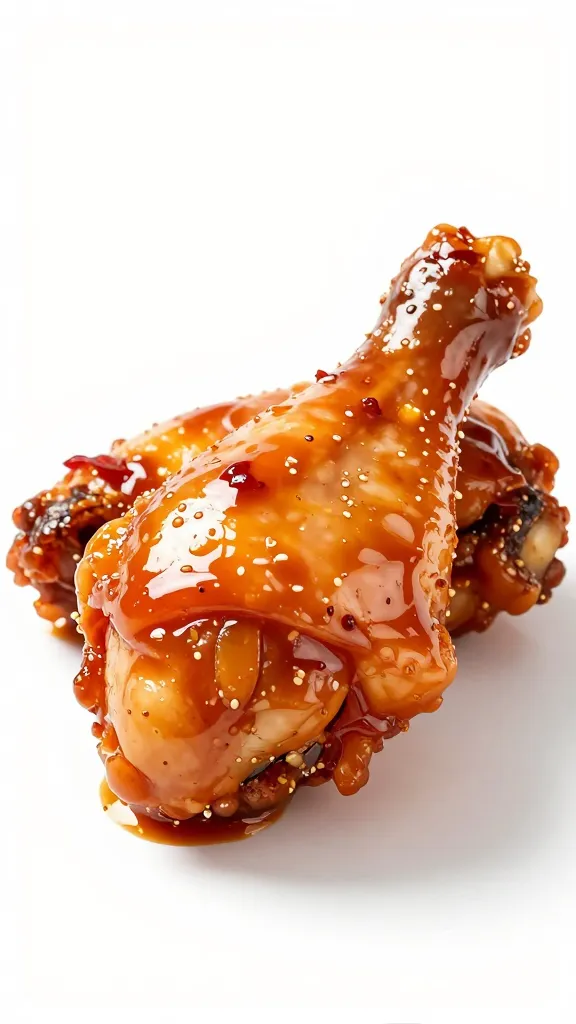
- <strongCitrus twist: swap pineapple for mandarin segments and add a squeeze of orange juice for a zippy citrus note.
- Spicy kick: double the chili, add Sichuan peppercorns for a numbing tizzle.
- Vegetarian option: swap chicken for firm tofu or tempeh; use the same glaze and sauté until glossy.
Ingredient swaps
- Protein swap: tofu, tempeh, or shrimp can stand in for chicken with the same coating and glaze approach.
- Glaze swap: swap ketchup for a small amount of hoisin for deeper sweetness and color.
- Veg swap: keep bell peppers, but try snap peas, baby corn, or mushrooms for texture variety.
Comparison blocks
- Stir-fry vs Bake-and-glaze: Stir-fry gives better sear and fast weeknights; bake-and-glaze is easier cleanup and less oil.
- Tomato-based glaze vs. fruit-forward glaze: Tomato-based adds depth; fruit-forward keeps things bright and quick-sweet without extra sugar.
FAQ
Q: How do I keep the sauce from being too thin?
A: Simmer it a bit longer or whisk in a little cornstarch slurry until it reaches your desired gloss. If it gets too thick, splash in a teaspoon or two of water or broth to loosen it.
Q: Can I meal prep this?
A: Absolutely. Cook the chicken and veggies, then store the sauce separately. Reheat and toss together when ready to eat for a quick reheat win.
Q: Is this okay on a low-sugar plan?
A: Yes, you can dial back sugar by using minimal honey or a sugar substitute that fits your plan. Balance with extra pineapple juice and vinegar to maintain brightness.
Wrap-up: how to plate it for maximum yum
Plate the glossy chicken on a bed of steamed rice or cauliflower rice to keep the protein-forward vibe. Pile on the peppers and onions, then drizzle with extra sauce. FYI, a light sprinkle of sesame seeds and chopped scallions doesn’t hurt your eyes or your taste buds.
Conclusion
High-Protein Sweet and Sour Chicken proves you don’t need heavy breading or weekend-long prep to sound like a chef. It’s fast, it’s flavorful, and it packs a protein wallop without turning your kitchen into a sugar showdown. Give it a whirl and tell me if you’re team stir-fry or team bake-and-glaze. The verdict is in: comfort food, but smarter and seriously tasty.
Leave a Reply