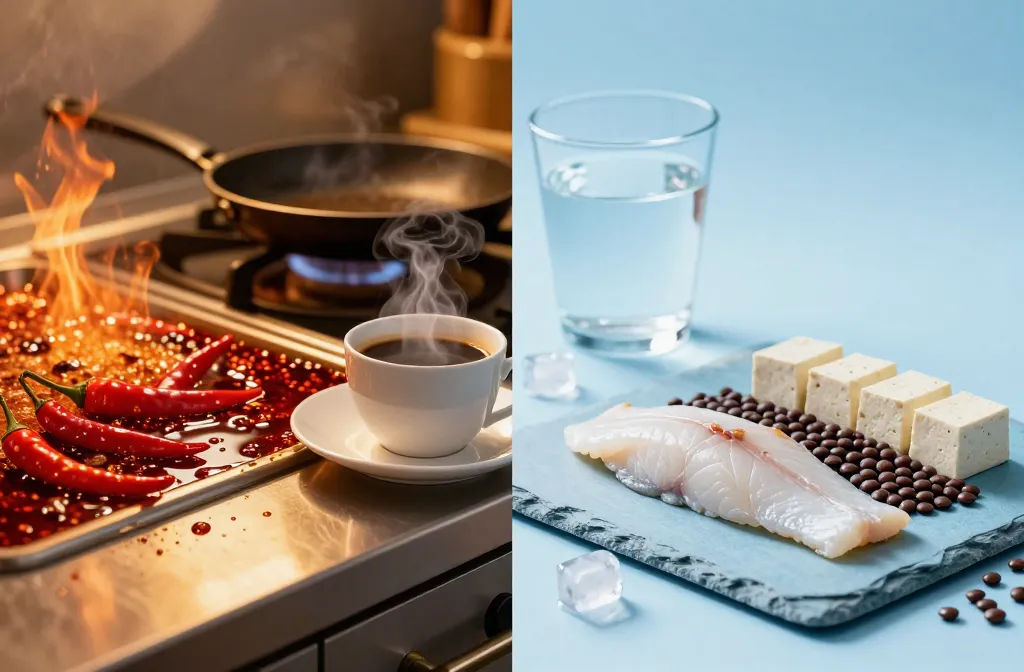
There’s a heat debate going on in your gut right now: some foods fire you up, others cool you down. Let’s break it down without the science-y snooze-fest and get you sipping, nibbling, and feeling balanced with minimal drama.
Foods That Lift the Temperature: what makes your body say “hot”
Yep, some flavors and textures literally raise your internal thermostat. The quick version: spicy compounds, thermogenic fats, and certain minerals can crank up metabolic rate and blood flow. The result? A buzzing, flushed, “I might need a fan” kind of feeling.
– Spicy kickers like chili peppers and hot sauces
– Caffeinated drinks and energy boosters
– Heavy, rich fats (think fried foods or lots of butter in a short time)
– Alcohol, especially in larger amounts
– Processed, salty foods can trap water and feel hotter
But it’s not just about heat for heat’s sake. When you crave a spicy meal, you’re chasing a momentary sizzle that can boost alertness or mood. FYI, the effect varies based on your tolerance, climate, and how much you’ve eaten that day.
Cooling Protein Foods: the chill squad your body might crave
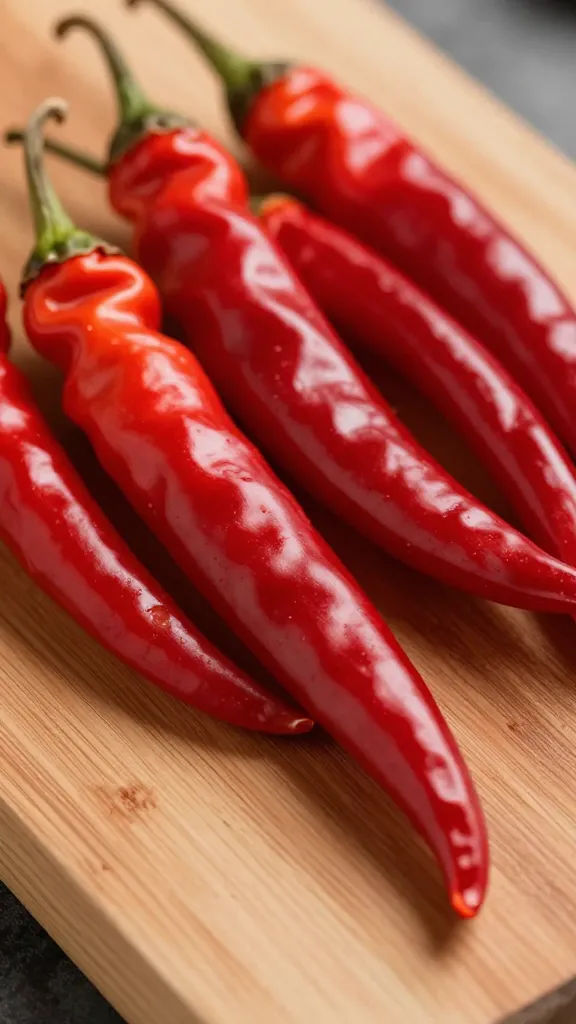
If your body acts like a little furnace after meals, you might want to lean into cooling proteins. These proteins are easy to digest, tend to be less spicy, and can help steady energy without the post-meal furnace effect.
– Lean poultry like chicken and turkey
– Fish and seafood, especially white fish
– Plant-based proteins: lentils, chickpeas, tofu, tempeh
– Dairy options like yogurt and cottage cheese (go easy if you’re sensitive to dairy)
– Eggs, a versatile crowd-pleaser
What makes them cooling? They’re typically lighter in fat, clean in amino acids, and don’t trigger big thermogenic spikes. They also tend to pair well with cooling side dishes like cucumber, mint, or yogurt-based sauces.
Balancing Act: how to pair for steady heat or cool energy
Let’s get practical. If your goal is to avoid feeling like you’ve walked into a sauna, or you want to keep workouts steady without a crash, pairing matters as much as portion size.
– Pair spicy or hot foods with cooling sides: yogurt, avocado, cucumber, leafy greens.
– Build meals around lean proteins with a side of complex carbs for lasting energy, not a quick energy spike.
– Hydration matters: water with electrolytes can help your body manage heat better, especially after workouts.
A little planning goes a long way. No one needs to live on salads alone, but a colorful plate helps your body manage its internal temperature mood.
Practical swaps: easy tweaks that shift the heat meter
If you’re wondering “how can I nudge my meals without sacrificing flavor?” here are some simple swaps.
– Swap spicy sausage for plain chicken sausage or turkey options.
– Choose yogurt-based sauces instead of creamy, heat-packed dressings.
– Opt for grilled fish or baked tofu rather than fried proteins.
– Use lemon, herbs, and garlic instead of heavy, high-sodium marinades.
– Spice up meals with pepper, ginger, or cumin in moderation, then balance with cooling herbs like cilantro and mint.
Tip: If you love heat, start with milder levels and gradually increase. Your palate will thank you, and your thermostat won’t protest as loudly.
Pro tips
– Hydrate smartly: water is great, but electrolyte-rich drinks help after sweating out a lot of heat.
– Observe your timing: big spicy meals before bed can disrupt sleep for some. If you’re sensitive, plan earlier dinners.
– Mind the fat factor: ultra-fatty meals can keep you warm longer. Lighten up if you’re aiming for a cooler post-meal vibe.
– Exercise and meals: a hot workout followed by cooling protein can feel like a win. Plan protein-rich snacks after exercise to support recovery without overstressing your system.
Variations
– Vegetarian-friendly cooling plate: grilled tofu with quinoa, cucumber-tomato salad, and yogurt-dill dressing.
– Fiery but balanced bowl: chili-spiced chicken, brown rice, black beans, avocado, and a cooling lime yogurt sauce.
– Breakfast twist: egg white omelet loaded with spinach, tomatoes, and a dollop of Greek yogurt on the side. Morning heat, morning chill, all in one plate.
Common mistakes
– Overloading on spicy foods late in the day, which can disrupt sleep.
– Neglecting hydration after a hot meal or workout.
– Assuming all cooling foods taste bland. Flavor can be bold with the right herbs and acids.
– Ignoring your own tolerance. If something makes you uncomfortable, dial it back.
FAQ
– Why do some people feel hotter after spicy food while others don’t?
Individual tolerance, gut microbiome, and even genetics play a role. Some folks burn through spicy compounds quickly; others metabolize them slower.
– Can I eat spicy foods and still stay cool?
Yes, with smart pairing. Add cooling sides, stay hydrated, and consider timing so you don’t feel uncomfortable.
– Do cooling proteins actually lower body temperature?
They don’t literally drop your core temperature, but they tend to be gentler on digestion and don’t trigger big heat spikes, helping you feel steadier.
Common mistakes to avoid

– Drinking freezing cold beverages with hot meals can shock your system. Sip cool, not freezing—let your body do its natural balancing.
– Ignoring portion sizes. A little heat goes a long way; large portions can keep your internal thermostat buzzing.
– Being rigid about lists. Your body’s mood shifts. Flex your meals to what you’re craving on a given day.
Comparison blocks
Heat-boosting vs. cooling foods at a glance
– Heat-boosters: spicy peppers, alcohol, caffeine, fried foods, high-sodium snacks
– Cooling proteins: chicken, fish, tofu, lentils, yogurt-based dishes
– Quick fix meals: hot chili with cooling yogurt topping vs a lemon-garlic grilled chicken with cucumber salad
How to implement this week
– Plan two meals with cooling protein options and one meal that includes a gentle heat component (like a peppery, not scorching, sauce).
– Keep a small kitchen stash of cooling ingredients: yogurt, cucumber, mint, lemon, olive oil, leafy greens.
– Track how you feel: note energy, sleep quality, and any heat sensations after meals. IMO, small adjustments beat big changes.
FAQ – quick recap
– Do I need to avoid all heat foods? Not at all. Moderation and smart pairings are key.
– Can I still enjoy a night out with friends and spicy food? Absolutely. Balance with hydration and cooling sides, and don’t overdo it on alcohol if you’re trying to stay cool.
– Are cooling proteins better for everyone? They’re generally gentler on digestion and can help prevent heat spikes, but personal preference and tolerance matter.
Conclusion
So, the heat vs cool protein debate isn’t about a one-size-fits-all rule. It’s about noticing how different foods affect you and adjusting with smart pairings and timing. If you want steady energy and a calmer post-meal vibe, lean into cooling proteins and flavor them with bright, cooling accents. If you’re chasing a quick zenith of energy or spice, enjoy it in moderation and balance with cooling elements. FYI, your palate will thank you with more variety, better digestion, and less post-meal drama.
Leave a Reply