Introduction
We all want enough protein without turning every meal into a math problem. Balancing protein means fueling muscles, energy, and satiety without overeating. Let’s cut the guesswork and make protein work for you, not against you.
Protein on Purpose: Know Your Real Needs
– Why it matters: Protein helps repair, build, and keep you full. Too little leaves you craving snacks; too much leaves you feeling blah.
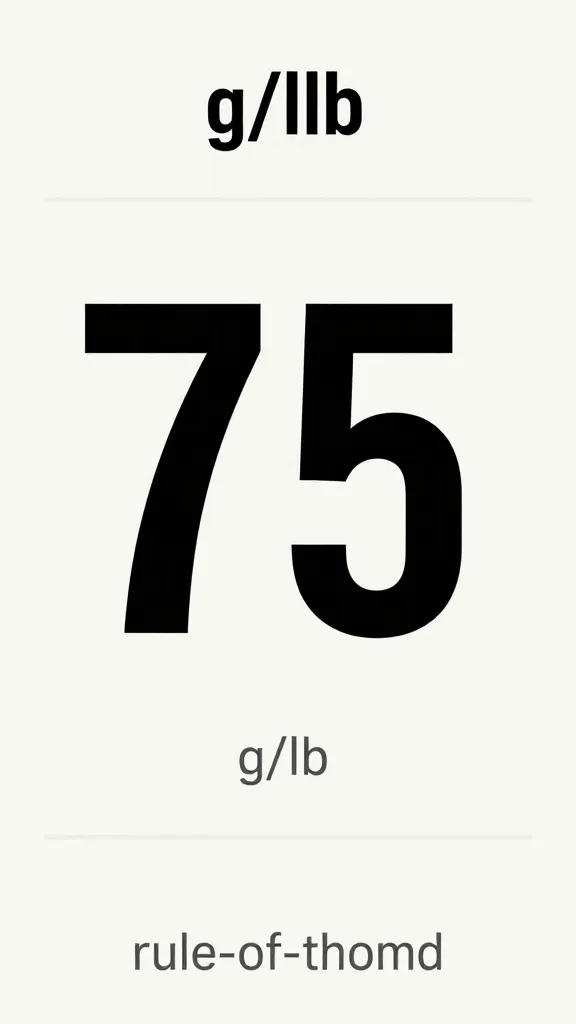
– Quick rule of thumb: most people aim for 0.6–1.0 grams per pound of body weight, depending on activity. If you’re super active or trying to gain muscle, lean toward the higher end. If you’re mostly sedentary, the lower end does the job.
– Practical check: divide your day into 3–4 protein-rich meals and 1–2 snacks. Spread it out so your body actually uses it.
Smart Portions: How Much Protein per Meal
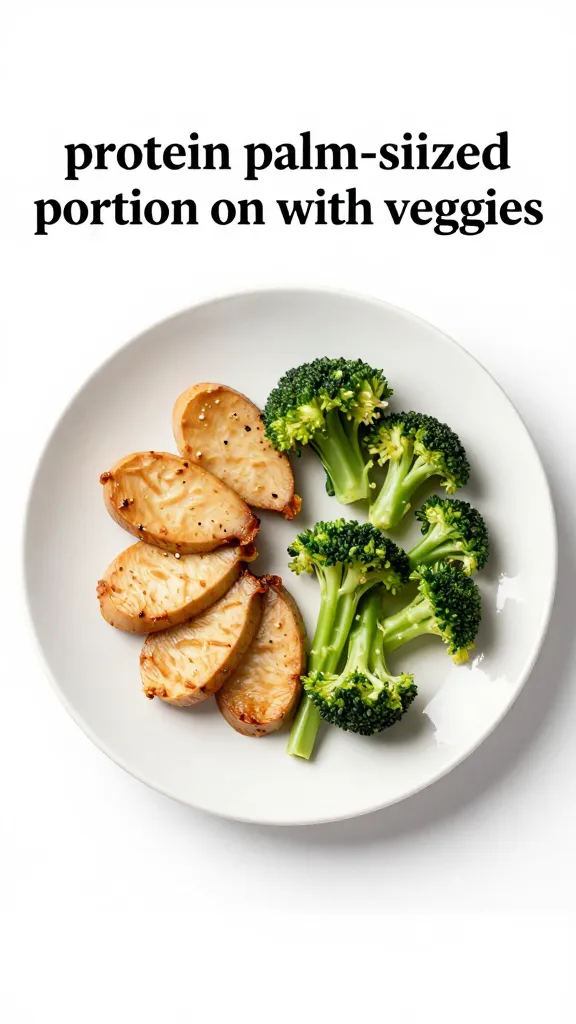
– What to aim for per plate: roughly the size of your palm for protein at each main meal, plus a smaller portion with snacks.
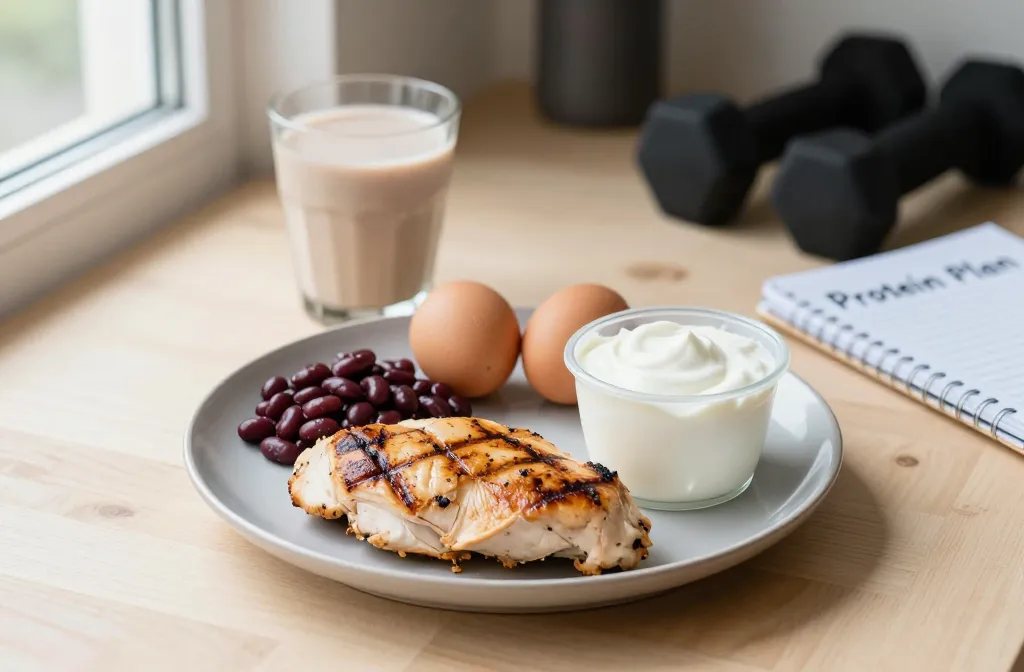
– Everyday examples: a palm-sized chicken breast, a fist of beans, a cup of Greek yogurt, or a couple eggs.
– The trap to avoid: chasing “huge” portions just to hit a number. Your stomach isn’t a bottomless pit, and your energy levels aren’t a stock ticker.
When to Eat Protein: Timing Without Obsession
– Breakfast boost: start with a solid protein source to prevent mid-morning munchies. Think eggs, yogurt, or a protein smoothie.
– Post-workout window: you don’t have to sprint to the kitchen within 30 minutes, but aim to get a protein-rich meal within a few hours after training.
– Nighttime nuance: if you snack late, choose protein-friendly options to support overnight recovery (cottage cheese, a small yogurt, or a casein-rich option).
Keep It Interesting: Plant vs. Animal, and Everything In Between
– Animal proteins: lean chicken, fish, eggs, Greek yogurt. They’re convenient and complete, meaning they contain all essential amino acids.
– Plant proteins: beans, lentils, tofu, tempeh, quinoa, edamame. Combine basics like beans with grains to get complete meals.
– Mix and match tip: use a variety of sources over the day to cover amino acid needs and keep meals lively.
Maximize Satiety: How to Stop at the Right Amount
- Fiber + protein combo: fiber slows digestion, protein supports fullness. Think veggies alongside protein-heavy dishes.
- Volume tricks: use low-calorie, high-volume sides like leafy greens or veggie-forward bowls to fill you up without overeating protein.
- Slow down: take a breath between bites, put the fork down, and assess hunger signals. Your stomach will thank you.
Varieties and Substitutions: Ingredient Swaps for Balance
Pro tips
- Swap a protein shake for a real meal when possible, but keep one handy for busy days.
- Use cottage cheese or Greek yogurt as a base for savory bowls to boost protein without extra fat.
- Frozen veggies are your friend. They save time and boost volume with minimal calories.
Ingredient swaps
- Chicken breast Tofu or Tempeh: switch between animal and plant proteins to mix amino acids and flavors.
- Ground turkey Lentils: keep the protein high while varying texture and fiber.
- Eggs Edamame: for grab-and-go protein that isn’t heavy on fat.
Pro tips
- Plan a weekly protein lineup: rotate 2–3 main protein sources so you don’t get bored and you don’t overeat by accident.
- Prep in bulk: cook a big batch of a protein source (like beans or chicken) and repurpose it across meals.
- Season boldly: add herbs, spices, citrus, or hot sauce to make protein feel exciting rather than a chore.
Common mistakes (and how to dodge them)
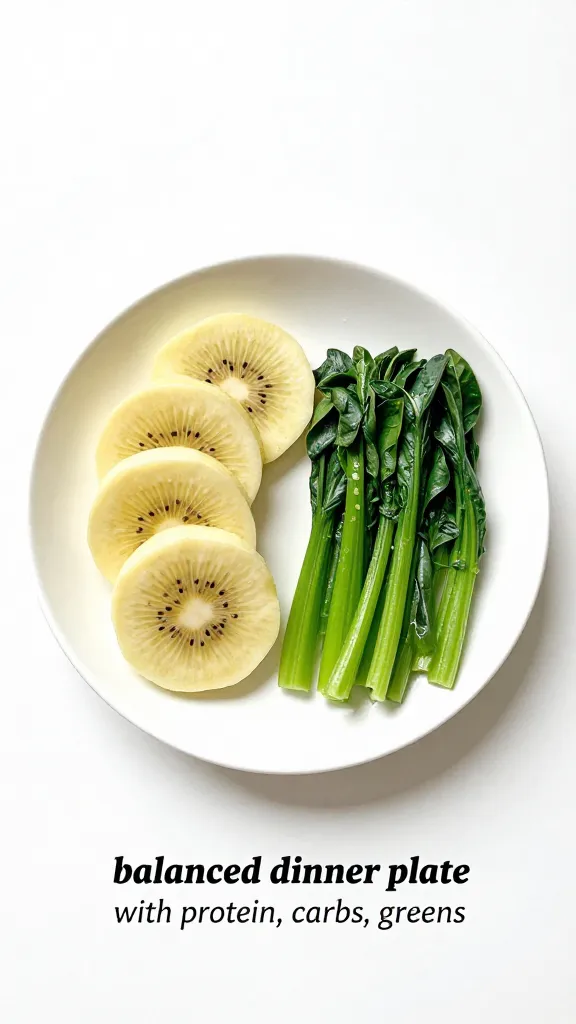
- Overloading one meal: trying to hit your daily target in a single sitting leads to discomfort and fatigue. Spread it out.
- Ignoring protein quality: not all protein sources are the same. Mix complete and complementary proteins for balance.
- Forgetting snacks count: small protein-rich snacks save you from overeating at the next meal.
Variations: Different Lifestyles, Different Plans
Variations: Low-carb, Vegetarian, and Busy Days
- Low-carb: lean meats, eggs, fish, and dairy shine. Add fiber from veggies to stay full.
- Vegetarian: combine legumes with grains, nuts, seeds, and dairy or soy to cover amino acids.
- Busy days: keep pre-portioned protein packs or shelf-stable options like jerky, canned tuna, or protein bars with mindful ingredients.
Comparison blocks
Animal protein vs. Plant protein
Animal proteins are typically complete and convenient, but plant proteins can be equally effective when varied across meals. Plant options often bring fiber and phytonutrients, which are nice bonuses. FYI, you don’t need to fear carbs or fats—balance is the goal, not purism.
Whole foods vs. Supplements
Whole foods offer extra nutrients and satiation. Supplements can help on ultra-busy days or when you’re chasing a higher target, but they don’t replace real meals. IMO a protein-rich plate beats a shake any day, though a shake is better than nothing.
FAQ
Q: Do I need to count every gram? A: Not religiously. Use general targets, then adjust based on how you feel, your activity, and your goals. If you’re unsure, start with 0.8–1.0 grams per pound on active days and ease up on rest days.
Q: Can I overeat protein without gaining fat? A: In the short term, you can feel bloated or sluggish, but your body will decide. The calories still matter, so distribute protein without piling on extra calories from fats or carbs.
Q: Are protein shakes bad? A: Nope. They’re convenient. Just read the label for added sugars and unwanted fillers. Use them to fill gaps, not as a primary source.
Q: How do I stay full between meals? A: Add fiber, water, and a bit of healthy fat to each protein-rich meal. A veggie-filled plate plus a protein source keeps the appetite in check.
Conclusion
Sticking to a balanced protein plan isn’t about strict rules or seven-hour meal prep marathons. It’s about smart portions, varied sources, and timing that helps you feel energized. Start with a simple 3–4 meals a day plan, rotate proteins, and tune based on how your body responds. If you’re wondering where to start, pick two easy protein sources you enjoy and build from there. You’ve got this—protein doesn’t have to be a mystery; it can be your everyday ally. FYI, tiny tweaks beat big overhauls every time.
Leave a Reply