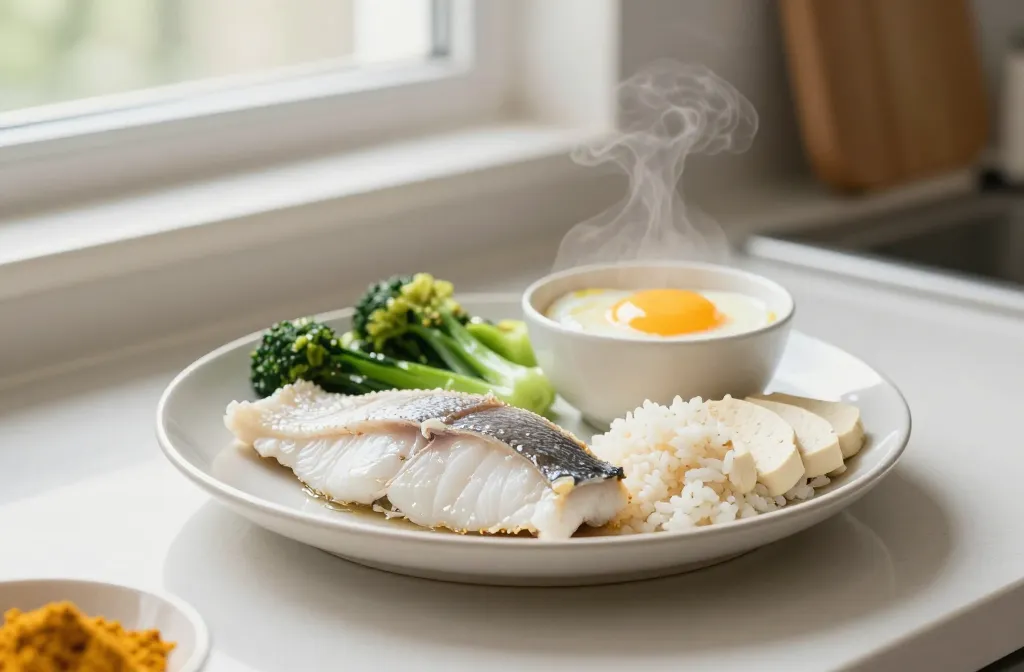
I know the struggle: you want protein, but your stomach rebels at the sight of beans, dairy, or metallic-tang shakes. You crave meals that fuel you without a side of doom. Let’s map out high-protein options that are gentle on a sensitive gut and still satisfy your taste buds. Not a bland scoop of doom—think flavorful, easy-to-dig, and friendly to a quivering tummy.
Why protein can feel tricky for sensitive stomachs
Your digestive system isn’t a one-size-fits-all machine. Some proteins, like dairy-based whey or certain legumes, can stir up gas, bloating, or discomfort. The trick is choosing proteins that are easy to digest, cooking them in friendly ways, and paying attention to portions. FYI, you don’t have to go all-in on fancy supplements to get results; real food shines here.
Gentle protein staples you can trust
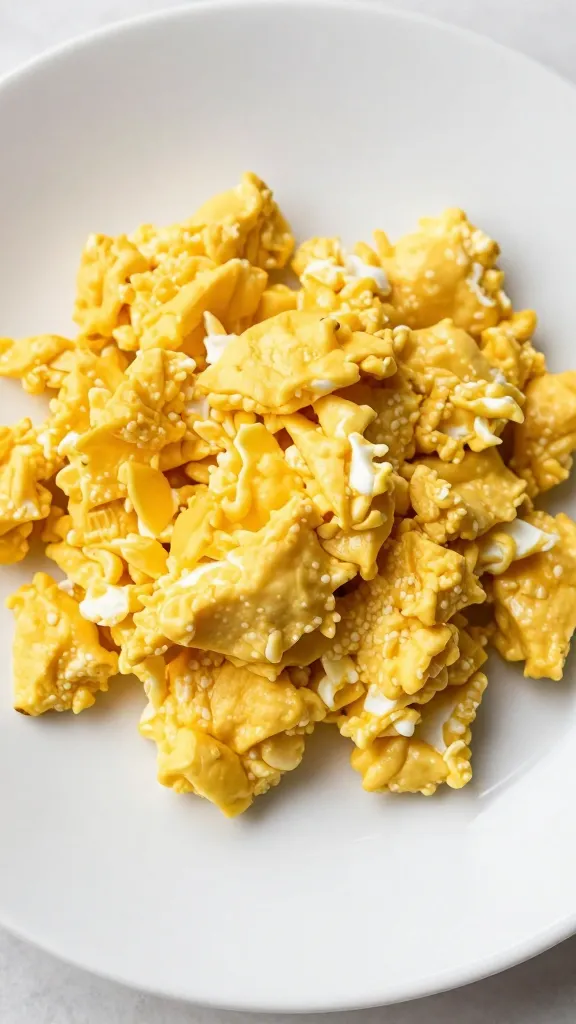
– Eggs: A gentle, versatile staple. Scramble them with a pinch of turmeric or chives, or poach for a smooth texture. Easy to digest when cooked softly and not overdone.
– White-fleshed fish: Cod, tilapia, or haddock bring protein without heaviness. Steam or bake with lemon and dill for a light, zingy finish.
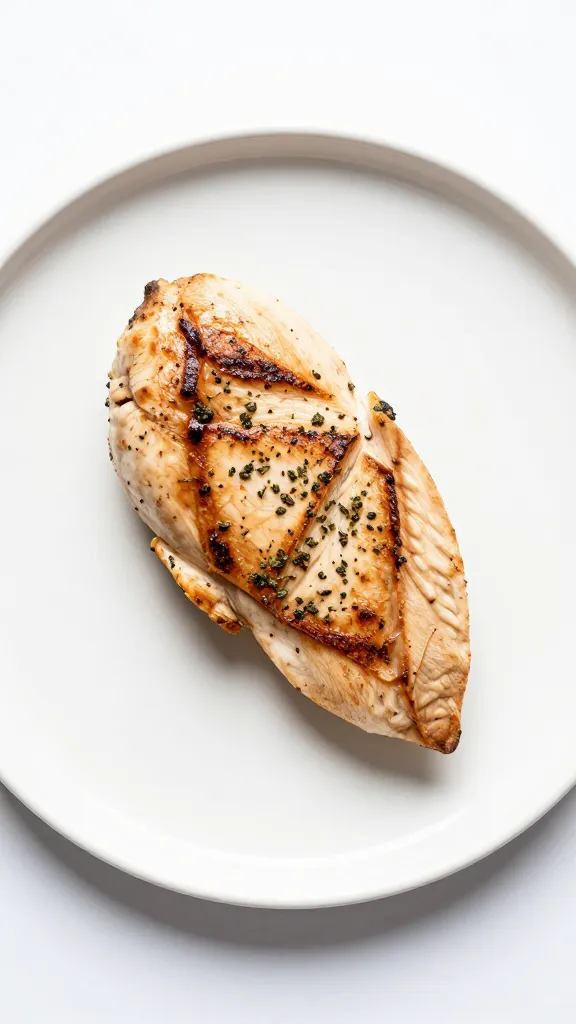
– Chicken and turkey: Lean, mild, and forgiving. Poach or bake with moisture to keep things tender.
– Rice-based proteins like tempeh or tofu (in small amounts): If you tolerate soy, these can be kinder on the stomach when well-cooked and not heavily seasoned.
– Low-fat dairy (if tolerated): Greek yogurt or lactose-free options can be easier on sensitive tummies than full-fat dairy. Start small and see how you feel.
– White beans in small amounts: If you tolerate beans, rinse well and soak, then use in sauces or soups to reduce gas. If not, skip them for now.
Meal ideas that won’t rebel against your gut
– Gentle morning protein bowls: Scrambled eggs with a scoop of smooth avocado on warm rice cakes. Easy to digest and you get protein, fats, and a little carb cushion.
– Simple fish dinners: Baked cod with a squeeze of lemon, steamed zucchini, and a side of quinoa. Light, airy, and protein-forward.
– Soft-texture chicken plates: Poached chicken breast shredded into a mild chicken-vegetable soup with a drop of olive oil. Warm, comforting, and easy to swallow.
– Tofu “cream” sauces: Silky tofu blitzed with a bit of broth and garlic—blend into a sauce for millet, rice, or mashed potatoes.
– Yogurt-based snacks: Lactose-free Greek yogurt with mashed banana or honey and a sprinkle of cinnamon. Soothing and protein-rich in a pinch.
– Protein pancakes, reimagined: Use oats, cottage cheese (if tolerated), and an egg to form a soft batter. Cook until just set for a fluffy, gentle bite.
Guided strategies for sensitive tummies

Texture matters
– Aim for foods that are soft, well-cooked, and easy to chew.
– If you’re new to a protein, start with a small amount and gradually increase as your gut adapts.
Portion control
– A palm-sized portion of protein per meal is a solid starting point for many adults.
– Pair with easy-to-digest carbs and a little fat to aid digestion.
Cooking methods that help
– Steaming, poaching, baking, or simmering keeps dishes light.
– Avoid heavy frying and overly spicy seasonings at first.
Timing tips
– Don’t load up on protein right before bed. Give your stomach time to digest.
– If you’re juggling symptoms, smaller, more frequent meals can ease the burden.
Pro tips
– Hydration helps protein digestion: Water and a little broth can keep gut movement smooth. Don’t rely on caffeine to the point of dehydration.
– Gentle seasonings only at first: Salt, lemon, dill, and a touch of garlic-infused oil can brighten flavors without overwhelming the gut.
– Cook once, eat twice: Bake a chicken breast in the morning, use it in a light soup at night. Less cooking fatigue, more consistency.
– Food pairing wins: Combine protein with a little fiber or starch to keep digestion stable without triggering a crash.
Common mistakes
– Overloading on dairy or beans if they upset your stomach. Go slow and test tolerance.
– Chasing protein with heavy, high-fat meals. The fat can slow digestion and amplify discomfort.
– Skipping meals and then binging later. Your gut prefers steady fuel.
– Ignoring timing. Eating protein right before intense activity or bedtime can backfire.
Variations
– Breakfast twists: Replace whey shakes with a small, plain yogurt smoothie using lactose-free yogurt, ripe banana, and a drizzle of honey.
– One-pot wonders: Create gentle stews with chicken or fish, soft vegetables, and rice or millet. Easy to digest and forgiving.
– Plant-forward days: Use soft tofu or tempeh crumbled into a mild tomato-based sauce served with polenta or mashed potatoes for a comforting texture.
– Budget-friendly picks: Egg-based meals, canned tuna in water, and frozen fish fillets can be protein-savvy choices without sacrificing taste.
FAQ
Q: Are dairy and protein supplements always bad for sensitive stomachs?
A: Not at all. Some people tolerate dairy and whey just fine, while others don’t. Start with small amounts, use lactose-free or plant-based options, and see how you feel. If dairy triggers symptoms, explore dairy-free proteins like eggs, chicken, fish, tofu, or tempeh.
Q: How much protein should I aim for per meal?
A: It varies by body size and activity, but a practical range is about 15-25 grams per meal for many folks, with adjustments up or down based on hunger and tolerance. You don’t need a fistful of protein to feel satisfied.
Q: Can I still enjoy spicy foods?
A: If spicy foods upset you, dial it back and reintroduce gradually. Mild seasonings usually keep the gut happy while letting you savor flavor.
Quick shopping list for sensitive stomachs

- Eggs and egg whites
- White fish (cod, tilapia) or chicken breast
- Lactose-free yogurt or plant-based yogurt
- Tofu or tempeh (if tolerated)
- White rice, quinoa, millet
- Soft vegetables like zucchini, carrots, spinach
- Lemon, dill, parsley, garlic-infused oil
- Olive oil and a splash of broth for moisture
Common tweaks for personal tolerance
– If beans hit your gut like a brick, skip them for a couple of weeks and reintroduce in tiny amounts, like a tablespoon at a time.
– If dairy is tricky, try lactose-free dairy products or dairy substitutes fortified with calcium and vitamin D.
– If texture is the issue, blend, puree, or mash ingredients to create smoother textures.
Nutrition nerd corner: balancing macronutrients
– Protein: Target a steady intake across meals to support muscle maintenance and satiety.
– Carbohydrates: Prefer easy-to-digest options like white rice, millet, or mashed potatoes on rough days.
– Fats: Include a small amount of healthy fats to aid digestion and flavor without overwhelming the gut. Think olive oil, avocado, or a light amount of nut butter if tolerated.
FAQ wrap-up
Q: Are there any signs I should stop trying a protein?
If you notice persistent bloating, pain, reflux, or changes in bowel habits after trying a protein, pull back and reassess. Sometimes less is more, and patience pays off.
Q: How do I know if I should see a professional?
If symptoms are persistent, severe, or affecting daily life, consider talking to a healthcare provider or a registered dietitian. They can tailor a plan to your gut’s quirks and nutritional needs.
Conclusion
If your stomach throws shade at protein-rich meals, you’re not out of luck. The key is choosing gentle protein sources, smart cooking methods, and listening to your body. Start with a couple of friendly options, build a rhythm, and adjust as you go. IMO, eating well should feel like a hug for your gut, not a dare. FYI, small wins compound quickly—celebrate them and keep going. You’ve got this.
Leave a Reply