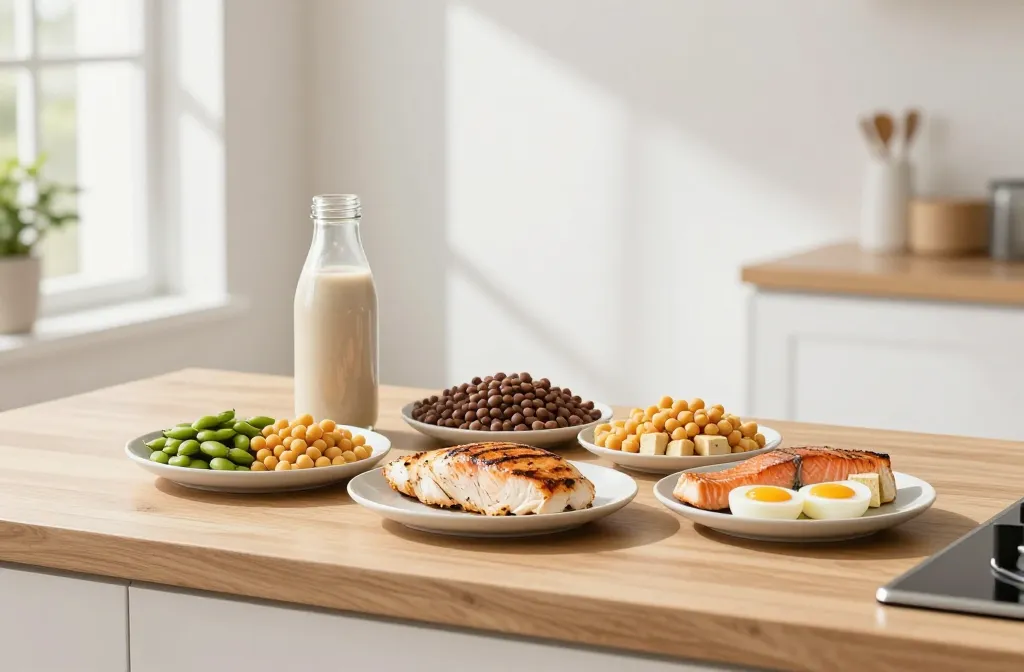
I’m just going to say it: you don’t have to feel weighed down every time you reach for more protein. You can eat more protein and still feel light on your feet, lively, and ready to move. Let’s ditch the heaviness without ditching the gains.
Protein without the heaviness: how to pull it off
You want more protein, not more forever stuck in your seat. The key is smart choices, smart timing, and a little kitchen improvisation. FYI, your stomach can thank you later, and so can your workouts.
Smart protein choices that don’t drag you down
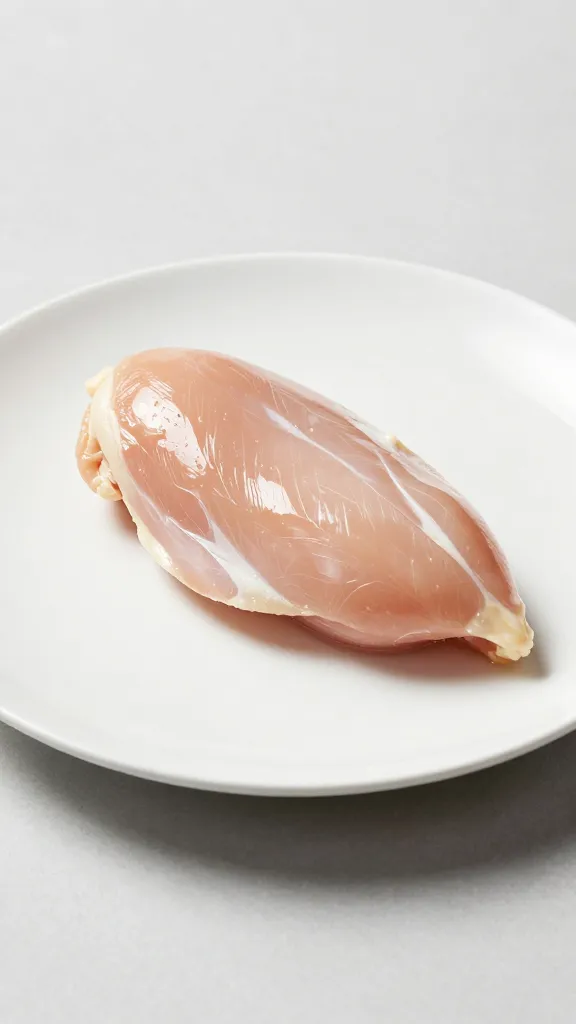
– Lean proteins like chicken breast, turkey, fish, eggs, and low-fat dairy give you way more protein per bite with less bulk.
– Plant-based power options such as lentils, chickpeas, tofu, tempeh, and edamame pack protein without weighing you down—literally.
– Whey and casein shakes can boost protein without filling you up forever, especially around workouts.
– Mix and match to avoid the “all-at-once” feeling. Think protein in every meal, not one giant protein bomb.
How to portion without party-pooping fullness
– Aim for protein at every meal, but keep portions reasonable: about the size of your palm for most meats, a cupped handful of beans or lentils, and a couple eggs or a scoop of protein powder as needed.
– Distribute intake across the day: 20–40 grams per meal is a good target for most people, depending on size and activity. Don’t stuff it into a single “protein blowout.”
– Pair protein with fiber and healthy fats to slow digestion. Yes, this helps you avoid the “blammo” crash.
Smart cooking tips to keep things light
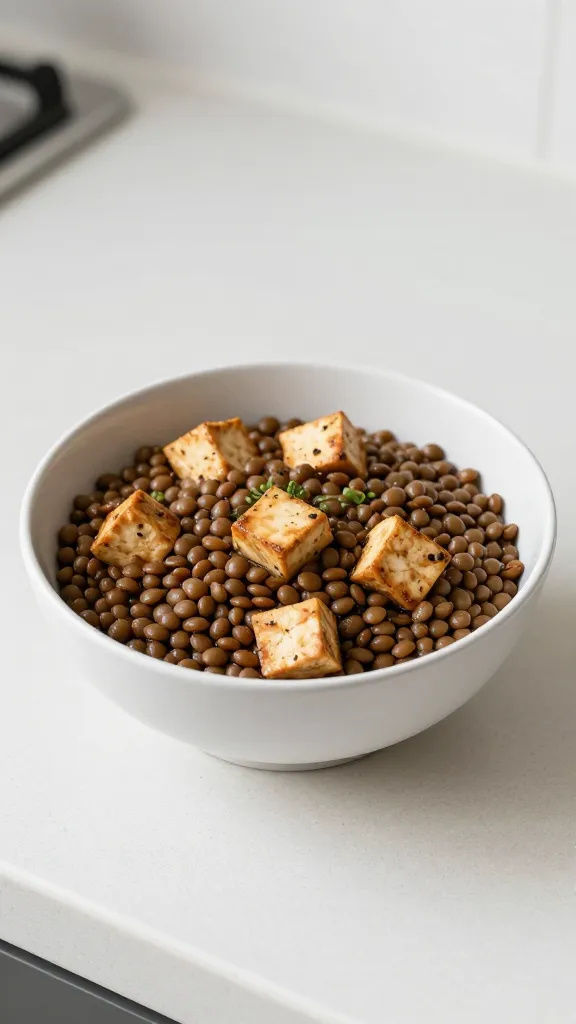
– Cook once, eat twice or thrice. Roast a couple chicken breasts, bake tofu, or whip up a big pot of beans. Reuse in salads, wraps, bowls, and soups.
– Bulk up with veggies and keep protein portions sensible. You’ll feel fuller but lighter if you balance your plate.
– Choose cooking methods that don’t weigh you down: grilled, baked, steamed, or lightly sautéed proteins beat fried options every time.
– Flavor without heaviness—lean sauces, herbs, citrus, and spices add zing without extra calories that sit like a brick.
Snacks that boost protein without the burden
– Greek yogurt or skyr with berries and a sprinkle of nuts
– A hard-boiled egg and a piece of fruit
– Edamame or roasted chickpeas
– Protein smoothies with leafy greens, fruit, and a little nut butter
– Jerky or a small tuna pouch if you’re in a rush
H3: Subsection – Ingredient swaps for lighter protein wins
– Swap heavy cheeses for lighter options like cottage cheese or low-fat feta in salads and wraps.
– Swap processed lunch meats for turkey slices or grilled chicken for cleaner protein.
– Swap white rice or heavy pasta with quinoa, cauliflower rice, or spiralized veggies to keep the meal feeling airy.
– Swap deep-dried snacks for roasted chickpeas or wasabi peanuts in moderation.
Tips for best results
– Keep a protein log for a week. Do you actually hit your target, or do weekends derail you? Knowing helps you adjust.
– Prep in 15-minute bursts. A few quick chops, a simple marinade, and you’re halfway there.
– Hydration matters. Protein metabolism needs water, so sip through the day. No, it won’t ruin your gains.
Ingredient swaps — quick wins
– Instead of heavy cream in sauces, use Greek yogurt for creaminess with less heaviness.
– Swap full-fat dairy for lower-fat versions in sauces and dressings.
– Use veggie-packed soups as a flight deck for protein: add shredded chicken, lentils, or white beans.
– Go for whole-food protein bars or balls made with nuts, seeds, and protein powder if you must snack on the go.
Pro tips
– Frying the day away? Use a nonstick spray and a little oil to keep proteins from drying out but don’t drown them—lighter fats mean less heaviness.
– If workouts are your jam, have a fast protein post-workout snack within 30–60 minutes. Milk, yogurt, or a whey shake can kickstart recovery without sitting in your gut for hours.
– Keep a “protein-first” mindset for meals on busy days. Even when you’re rushed, a quick protein-forward plate helps you stay on track.
Common mistakes
– Overloading a single meal with protein and neglecting fiber or greens. Balance prevents the heaviness.
– Skipping carbs entirely. Your body uses protein better when it has some energy from carbs—think fruit, oats, or veggies.
– Only relying on supplements. Whole foods bring other nutrients that matter for energy and fullness.
– Neglecting portions. Protein is important, but a too-large protein portion can feel heavy.
Variations
– Breakfast boost: Scrambled eggs with veggies and a side of yogurt with berries.
– Lunch power bowl: Grilled chicken, quinoa, mixed greens, beans, avocado, and a light vinaigrette.
– Dinner lighter: Baked fish with a big salad and a barley or farro side for texture.
– Snack pack: Cottage cheese with pineapple, or apple slices with almond butter and a sprinkle of hemp seeds.
FAQ: answers in plain language
– Will more protein make me gain weight? Protein itself doesn’t automatically cause weight gain. If you eat more calories than you burn, you’ll gain weight, but you can add protein while keeping calories in check by balancing with vegetables, fiber, and healthy fats.
– Is whey protein okay every day? Yes, for most people. It’s convenient after workouts or when you’re busy. If you have dairy sensitivity, explore plant-based proteins like pea or rice protein.
– Can I get enough protein on a vegetarian or vegan diet? Absolutely. Plan meals around legumes, tofu, tempeh, seitan, quinoa, and nuts. A bit of planning helps you hit your targets.
– What about protein timing? Spreading protein across meals helps with absorption and satiety. Post-workout protein is useful, but not mandatory every single time.
Conclusion
So, how do you eat more protein without feeling heavy? By choosing smarter sources, balancing meals, and mixing in lighter cooking methods, you keep the protein volume up and the heaviness down. You don’t need to become a protein monk or turn your life into a kitchen lab. Just tweak portions, swap in lighter options, and keep the carbs and fats in check. IMO, you’ll notice you feel lighter, more energized, and ready to crush your day without the lingering fog. Give it a week, and you’ll likely be surprised at how simple it can be. FYI, consistency beats intensity here.
Leave a Reply