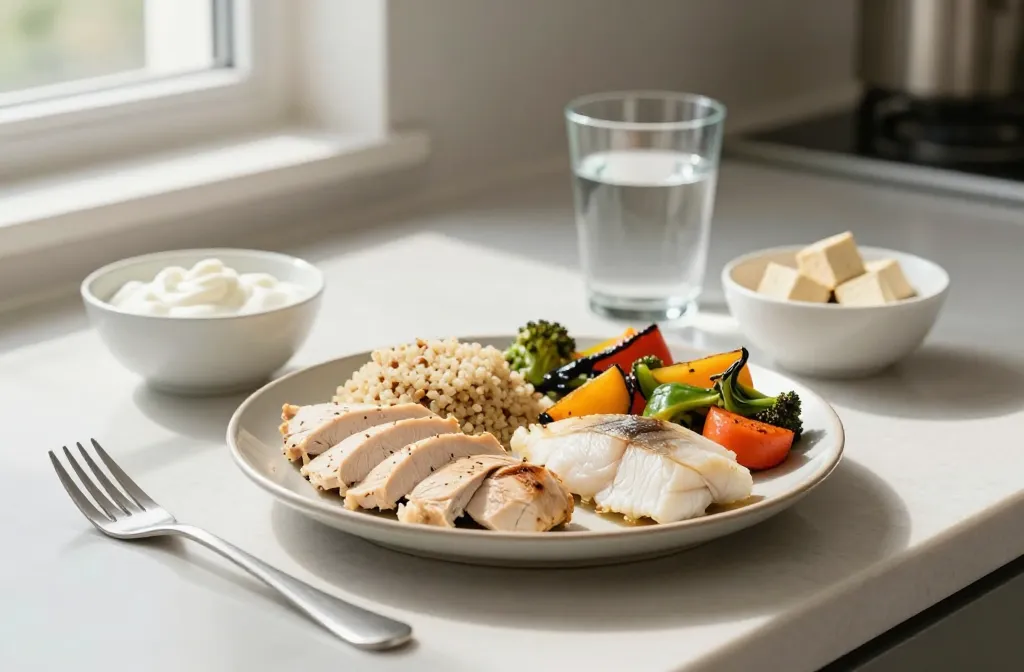
Low-fuss, high-protein meals that won’t bloat your jeans or your ego—that’s the dream. You want fuel that stays put, not a gas balloon in your gut. Let’s break down easy, practical ways to get more protein without the bloat fiasco. FYI, you’ll feel lighter, faster, and maybe even smug about your grocery game.
What exactly causes bloating with protein?
– Protein sources aren’t created equal when it comes to digestion. Some whey formulas, dairy, or legumes can spark gas if your gut isn’t ready for them.
– Fiber can play tricks too. Lots of high-protein foods bring along extra fiber that your tummy may not handle well right away.
– Eating too fast or loading your plate with huge portions can turn protein into a bloating party you didn’t RSVP to.
But don’t panic. With a few tweaks, you can avoid the gut drama while still hitting your protein goals.
1. Choose protein sources with gentle digestion
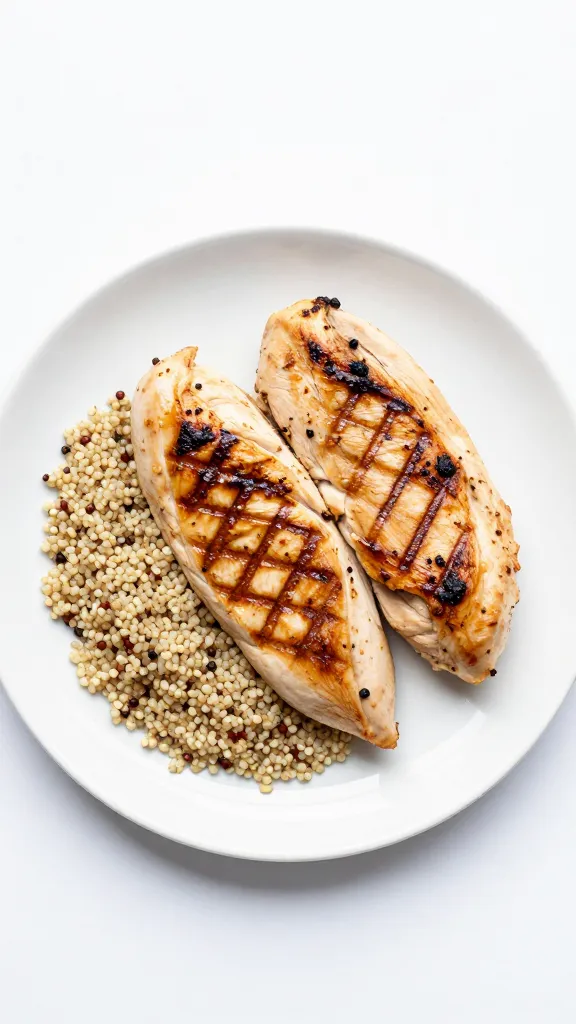
– Lean proteins like chicken, turkey, fish, eggs, and tofu tend to sit easier in many people’s stomachs.
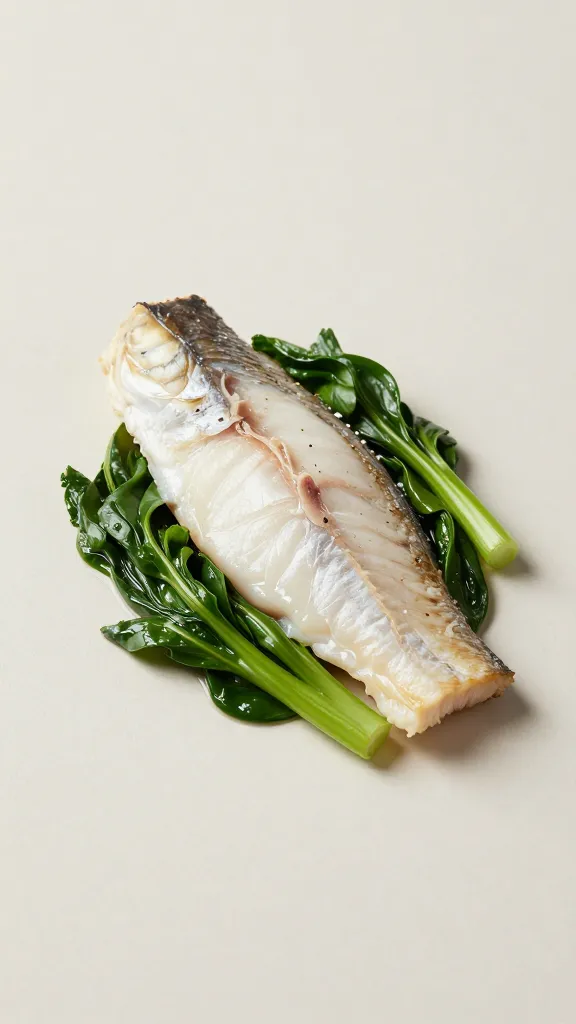
– White fish (think cod or tilapia) and shellfish are often kind to the gut and still pack a solid protein punch.
– Plant-based options can be great, but some folks notice bloating with beans or textured veggie proteins. Soak, cook thoroughly, and try smaller portions to see how you tolerate them.
Tips for best results
- Start with small, frequent portions rather than a giant plate of protein at once.
- Pair protein with a simple carb and a little fat to steady digestion.
- Choose lower-fiber protein sources if you’re feeling bloated after meals.
2. Master smarter protein timing
– Spreading protein across meals helps your body use it more efficiently and keeps bloating at bay.
– A big protein hit before bed can be comfy for muscle repair, but heavy, fatty meals close to sleep can backfire.
Structure your day like a pro
- Breakfast: eggs or Greek yogurt with a few berries
- Lunch: chicken or tofu salad with quinoa
- Snack: a protein shake or a handful of almonds
- Dinner: fish or lean meat with veggies
3. Smart cooking methods that reduce gas and heaviness

– Gentle cooking often equals easier digestion. Steaming, poaching, and baking keep things light.
– If you use dried beans, soak them overnight and rinse well. A splash of kombu in the cooking water can help reduce gas for some people.
– For dairy, opt for lactose-free options or choose proteins that are naturally low in lactose.
Ingredient swaps
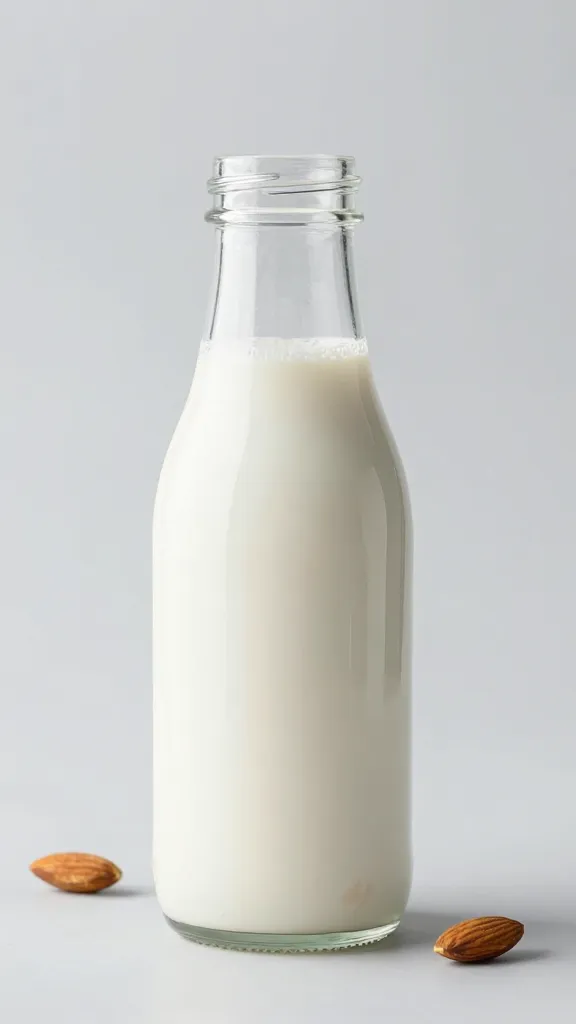
- Swap regular milk for lactose-free milk or unsweetened almond/coconut milk in smoothies.
- Swap heavy sauces for tomato-based or olive oil–lemon dressings to keep things lighter on the gut.
- Try Greek yogurt or skyr as a protein-rich alternative to regular yogurt—still creamy, still easy on the belly for many.
4. Fiber-smart protein combos
– A bit of fiber with your protein can help fullness and steady digestion—just don’t go overboard at once.
– If you’re loading beans or lentils, ramp up fiber gradually to give your gut time to adapt.
Best pairings to minimize bloat
- Protein + moderate whole grains (quinoa, brown rice) + steamed veggies
- Eggs with a side of avocado and tomato
- Fish with roasted veggies and a small serving of chickpeas
5. Pro tips for fast, reliable results
– Hydration matters. Water helps fiber move through without a fuss.
– Probiotic-rich foods (yogurt, kefir, sauerkraut) can support gut balance, which may reduce bloating over time.
– Cook proteins until just done. Overcooked protein can be tougher to digest and feel heavier.
– Listen to your gut: if a protein source consistently makes you bloated, give it a break and try something else.
Common mistakes
- Overloading on protein powders without adjusting other meals. Your gut hates sudden, massive shifts.
- Ignoring caffeine or alcohol that can irritate digestion when paired with protein-heavy meals.
- Assuming “high protein equals high bloating” for everyone—your gut might just need time to adapt.
6. Variations to keep things fresh
– Quick weekday staples: scrambled eggs with spinach, turkey burgers (minus heavy buns), tuna-stuffed peppers.
– Plant-forward options: lentil or chickpea bowls with quinoa, roasted veggies, and tahini drizzle.
– Seafood nights: grilled salmon with lemon-dill yogurt sauce and a side of steamed broccoli.
– Dorm-room friendly: canned tuna or salmon with whole-grain crackers, a squeeze of lemon, and cherry tomatoes.
Ingredient swaps
- Swap chicken for turkey or lean pork for variation in texture and taste.
- Change dairy to dairy-free alternatives if you’re sensitive to lactose or just want a different flavor.
- Use different herbs and spices to keep meals exciting without adding gut trouble.
7. FAQ: quick answers to common questions
Q: Can I still eat beans on a high-protein plan without getting bloated? A: Yes, but start with smaller portions, soak well, and pair with easily digestible foods. Gradually increase if your body adjusts nicely.
Q: Is whey protein bad for my gut? A: Not inherently. Some people tolerate whey isolate better than concentrate. If you’re bloated, try lactose-free options or dairy-free proteins like pea or rice protein.
Q: Do I need to log every bite to avoid bloating? A: Not every bite, but listening to your body’s signals helps. If a meal consistently causes gas, tweak the protein source or portions.
8. Variations on a high-protein, low-bloat plate
– Quick plate: 1 palm-sized protein, 1 cupped hand of carbs, 1 fist of veggies, a drizzle of healthy fat.
– Low-fuss dinners: one-pan meals with salmon, asparagus, and a bit of olive oil.
– Make-ahead meals: portioned jars with chicken, quinoa, and roasted veggies for grab-and-go workdays.
9. Comparison blocks: protein sources at a glance
Animal vs. plant proteins
– Animal proteins: complete amino acid profiles, generally easy digestion for many people, but can cause bloating in some with dairy sensitivity or high-fat cuts.
– Plant proteins: many are fiber-rich and can cause more gas unless prepared properly; blends (e.g., pea + rice) often offer a complete amino acid profile and smoother digestion.
Whey isolate vs. concentrate
– Isolate: usually lower lactose, gentler on the gut for many people, quicker digestion.
– Concentrate: fuller flavor and sometimes more lactose; can cause issues for lactose-intolerant folks.
10. Conclusion
If you want to turbocharge your protein intake without paying the bloating price, keep it simple, listen to your gut, and tweak based on what works for you. Start with gentle sources, spread your protein through the day, and lean on smart cooking methods. FYI, your future self will thank you for not turning every dinner into a gas chamber. With a bit of practice, you’ll hit your targets and feel light, strong, and ready to crush your day.
Leave a Reply