
I know the feeling: you crush a big protein-packed meal, then suddenly your gut sounds like a marching band. Bloating isn’t a failure of your willpower; it’s often a response to the protein fix you just delivered. Let’s decode why high-protein meals can puff you up and, more importantly, how to keep the gains without the air-guitar symphony in your abdomen.
What’s going on when protein rounds the bloating corner
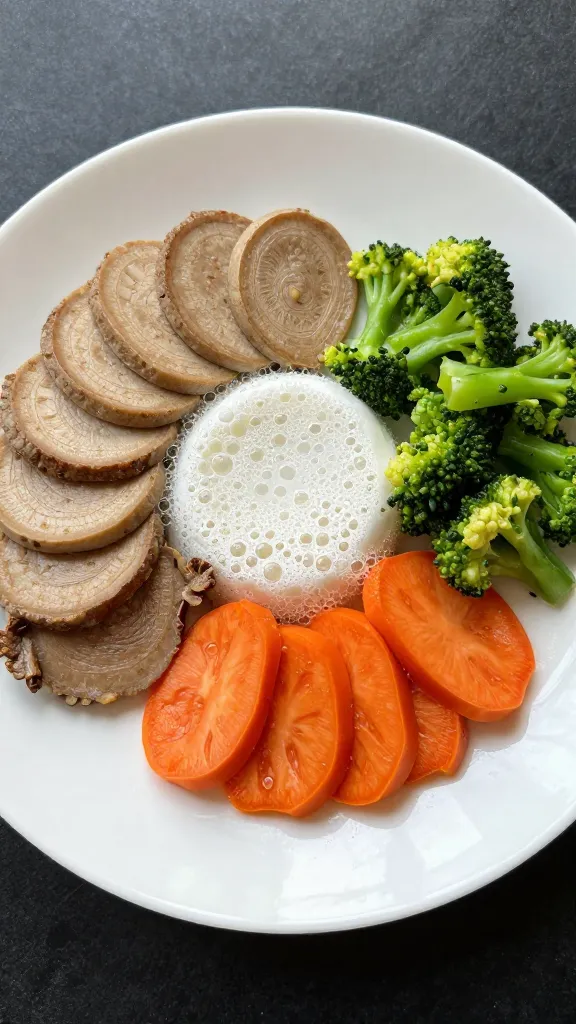
Are you protein-loading like a bodybuilder on a deadline? Your gut reacts. Protein is great for muscle, satiety, and energy, but it isn’t a boring macro. It’s a little diva in the digestive crowd.
– Your stomach and small intestine have to work harder to break down dense protein sources. More work means more gas, slower transit, and sometimes a puffiness that lingers.
– Some protein sources come with extra ingredients that trigger bloating. Dairy-based whey or casein can cause issues for lactose-intolerant folks; beans and lentils bring raffinose into the mix; even high-fiber protein powders can stir things up if your gut isn’t used to them.
– Your microbiome loves fiber. When protein meals don’t balance with friendly fibers, you miss out on the gas-busting, short-chain fatty acid party that lets your gut stay calm.
FYI: bloating isn’t the same as fullness. Fullness is a satisfied stomach; bloating is a swollen belly that can feel tight or uncomfortable. Getting these signals straight helps you keep enjoying protein without the drama.
Why some meals blow up, but others stay level

No, it’s not magic. It’s math (with a dash of biology). The difference boils down to protein type, portion size, and what else you’re eating.
– Protein source matters: animal vs. plant. Whey and dairy can cause gas if you’re lactose sensitive. Plant proteins like soy, pea, or rice are generally gentler but can still trigger bloating if you load up without fibers.
– Portion size counts: a hero-sized 40–50 g of protein per meal is awesome for muscles, but for a sensitive gut it can feel like a brick. Split it into 20–30 g chunks across the day to keep digestion smooth.
– Add-ins and timing: high-protein meals packed with fat or fiber heavy sides (like a fat bomb + beans) can slow digestion and invite bloating. But a balanced plate with moderate fats and gentle carbs tends to glide through.
– Hydration and temperature: warm or room-temperature meals often digest more easily than icy cold options when you’re already bloated.
How to tune your high-protein meals for comfort

Let’s dial it in so you can train hard and still feel like you’re floating, not ballooning.
Choose kinder protein forms
– Try whey isolate or lactose-free dairy if you tolerate dairy at all. If dairy hates you, switch to lactose-free products or plant proteins.
– Consider plant proteins strategically. Pea, rice, or hemp can be gentler on the gut for some people, especially when paired with the right minerals and vitamins.
– Rotate protein sources. Variety keeps your gut microbes guessing—in a good way—and reduces the risk of hitting a sensitivity sweet spot.
Smart portions and timing
– Aim for 20–30 g of protein per meal as a baseline for steady digestion. If you train like a beast, you can go a touch higher, but then spread it across 4–5 meals.
– Don’t load up your plate with protein and nothing else. A balanced plate helps digestion. Include fiber from vegetables or whole grains (if your gut tolerates them) and a bit of healthy fat.
Fiber, friends, not foes
– Introduce fiber gradually if your gut isn’t used to it. Sudden fiber surges can cause gas and bloating.
– Prefer soluble fiber sources (oats, apples, berries, legumes in moderation) over a big dump of insoluble fiber right away.
– If you’re dairy-intolerant, focus on fiber sources that aren’t dairy-anchored to avoid the synergy that blows up gas.
Digestive aids and timing
– Digestive enzymes can help with dairy or high-protein meals for some people. If you’re curious, chat with a clinician and try a reputable enzyme product on a test meal.
– Probiotics can help over time, but they aren’t a quick fix. Give your gut a few weeks to adjust before judging effectiveness.
Common mistakes that blow your stomach up (and how to fix them)
– Skipping water with meals: hydration helps digestion. Don’t chug an entire liter at once, but a glass or two with your main meal keeps things moving.
– Going all-in on fiber before your gut is ready: ramp fiber slowly; your digestion will thank you.
– Ignoring lactose or other intolerances: if dairy is the culprit, switch to lactose-free or plant-based options. Don’t power through discomfort.
– Overrelying on supplements: protein powders are convenient, but they aren’t miracle workers. Whole foods bring more complex digestion-friendly fibers and nutrients.
Ingredient swaps that save the day
– Swap dairy whey for a pea or rice protein if dairy irritates you.
– Replace heavy beans with lentils or 1/2 cup canned beans per meal, rinsed well to reduce gas-causing oligosaccharides.
– Change from high-fat to moderate-fat protein sources for meals that feel lighter on the gut.
Tips for best results
– Start with a small trial: test a new protein source once or twice a week, monitor your gut response, and adjust.
– Pair protein with gentle carbs like oats, sweet potatoes, or quinoa to smooth digestion.
– Chew thoroughly. It’s the sandwich-maker of digestion—more chewing means less work for your stomach.
Pro tips, common mistakes, and variations
Pro tips
– Listen to your gut. If a food consistently makes you bloated, give it a longer trial or drop it.
– Keep meals moderate in size. A big plate of protein feels like a win, until your abdomen files a complaint.
– Hydration matters. Water helps enzymes work more efficiently and keeps things moving.
Common mistakes
– Not balancing meals with fiber and fats. Your gut doesn’t want a protein movie with no supporting cast.
– Racing meals. Eating too fast often leads to swallowing air, which multiplies bloating.
– Assuming all protein sources are equal. Each source has a different digestion profile and gut impact.
Variations
– Plant-forward rotation: mix whey-free days with pea or hemp-based meals to see what your gut tolerates best.
– Higher-fiber but gentle days: pair protein with steamed veggies and a small portion of oats to support digestion.
– Lactose-free dairy days: if dairy is a villain, opt for lactose-free options and see how your stomach feels.
FAQ
Q: Can high-protein meals cause long-term bloating? A: Occasional bloating from increased protein is normal as your gut adjusts. If bloating persists for weeks or is painful, check for intolerances, food allergies, or issues like IBS, and consider talking to a healthcare pro.
Q: How do I know which protein source is the culprit? A: Keep a simple diary. Note what you ate, portion size, and how your gut felt over the next 24 hours. You’ll spot patterns faster than a detective on caffeine.
Q: Do supplements help or hurt? A: They help some people, hurt others. Start with food first, then test one supplement at a time with a small meal to gauge impact.
Conclusion
So yes, high-protein meals can lead to bloating, but you don’t have to surrender your protein goals to a loud gut. By choosing kinder protein sources, moderating portions, balancing with fiber and fats, and tuning timing, you can enjoy the benefits of protein without the party in your belly. IMO, it’s all about listening to your gut, being willing to adjust, and keeping the vibe light and flexible. You’ve got this—protein can be your ally, not your arch-nemesis.
Leave a Reply