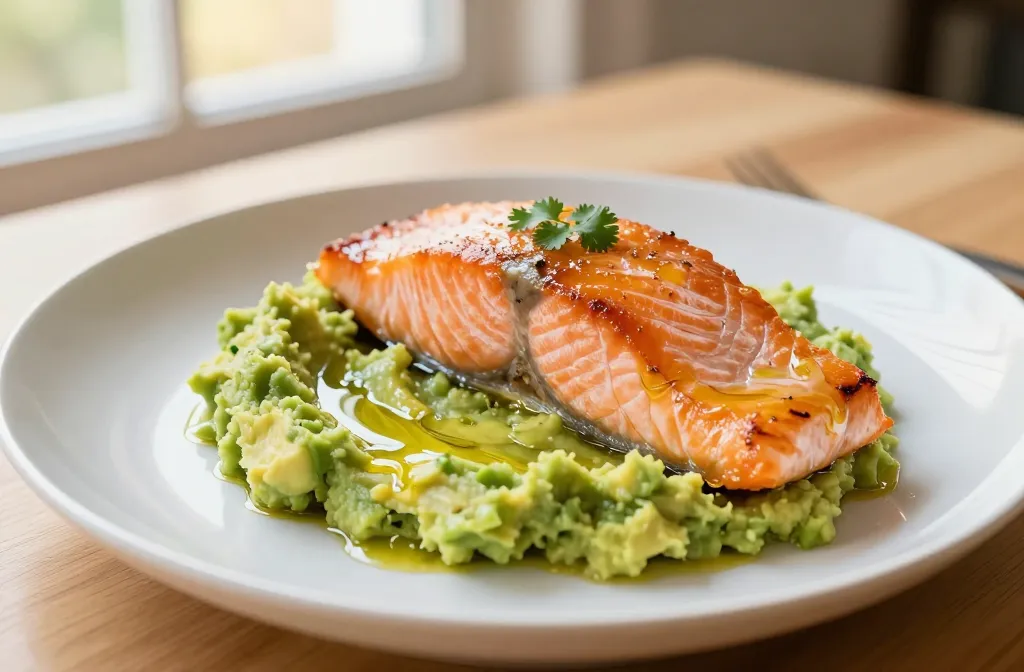
What if weeknight dinner could feel like a mini-restaurant moment? Enter baked salmon with avocado mash: bright, creamy, and seriously easy. You get flaky fish, a lush green mash, and zero drama in the kitchen. FYI, this combo tastes like a vacation you can cook in 20 minutes.
Salmon that actually behaves in the oven
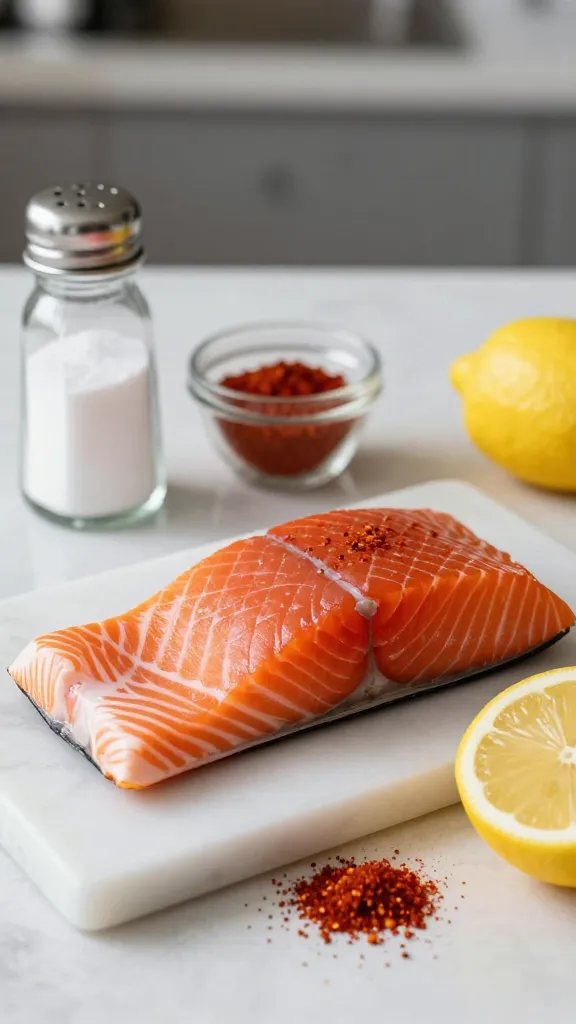
You want salmon that flakes beautifully, not a dry desert. Start with center-cut fillets, about 6 ounces each. Pat them dry like you mean it—moisture is the enemy of velvet texture. Season generously with salt, pepper, and a touch of paprika or chili powder for a gentle kiss of heat. Optional: a squeeze of lemon on top keeps things bright. Bake at 400°F (200°C) for 10-12 minutes, depending on thickness. The goal is an internal temp around 125°F (52°C) for medium-rare; 135°F (57°C) is fully cooked if you prefer it firm. Don’t overcook, or you’ll end up with a rubbery situation that nobody signed up for.
Avocado mash: creamy contrast, bright personality
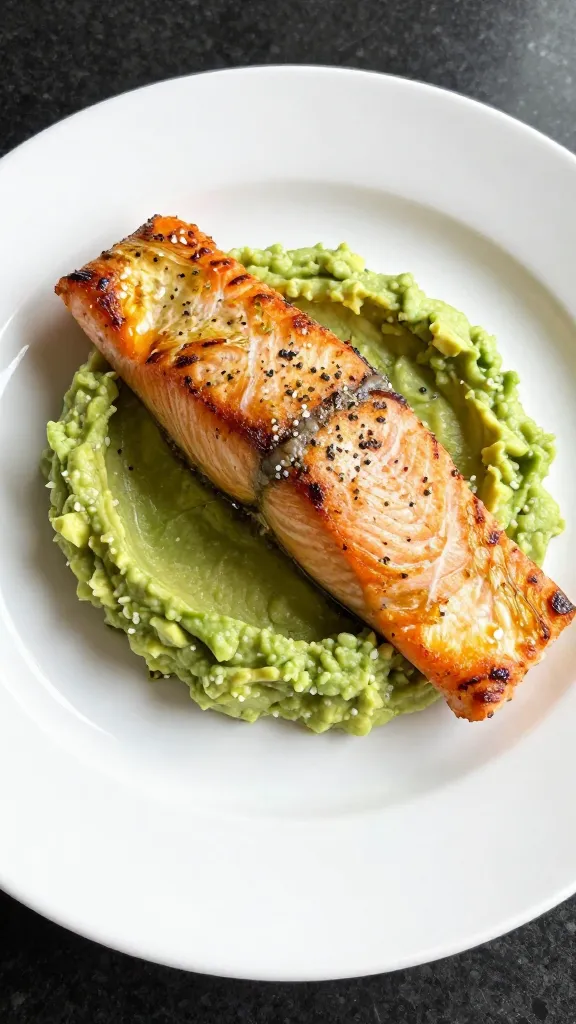
Avocado mash is the cool garnish you actually want to eat by the spoonful. Scoop two ripe avocados into a bowl, mash until you’ve got some silky chunks left for texture. Add lime juice to wake things up, a pinch of salt, a little olive oil for sheen, and optional cilantro or parsley for color. If you like a little zing, stir in finely minced shallot or garlic. Want extra creaminess without dairy? A spoon of Greek yogurt does wonders, FYI. Aim for a mash that’s vibrant green, spreadable, and not a guacamole glacier.
Flavor boosters that take it from good to irresistible
We’re not just tossing fish and mash together—we’re building flavor architecture. Pro move: finish the salmon with a quick glaze or drizzle. Mix 1 tablespoon honey with 1 teaspoon soy sauce and a pinch of grated ginger, then brush on during the last 2 minutes of baking. The glaze caramelizes and adds a glossy, restaurant-y glaze. If you’re not into sweet-salty, a simple olive oil-lemon-zest finish does wonders.
Tips for best results:
- Butter equals richness: a tiny pat of butter on the hot salmon right after it comes out adds glossy sheen and depth.
- Herb lift: sprinkle chopped dill or parsley after baking for a fresh aroma that keeps things lively.
- Garlic note: a light brush of garlic-infused oil before baking gives a subtle perfume without burning.
Textures that make the plate sing
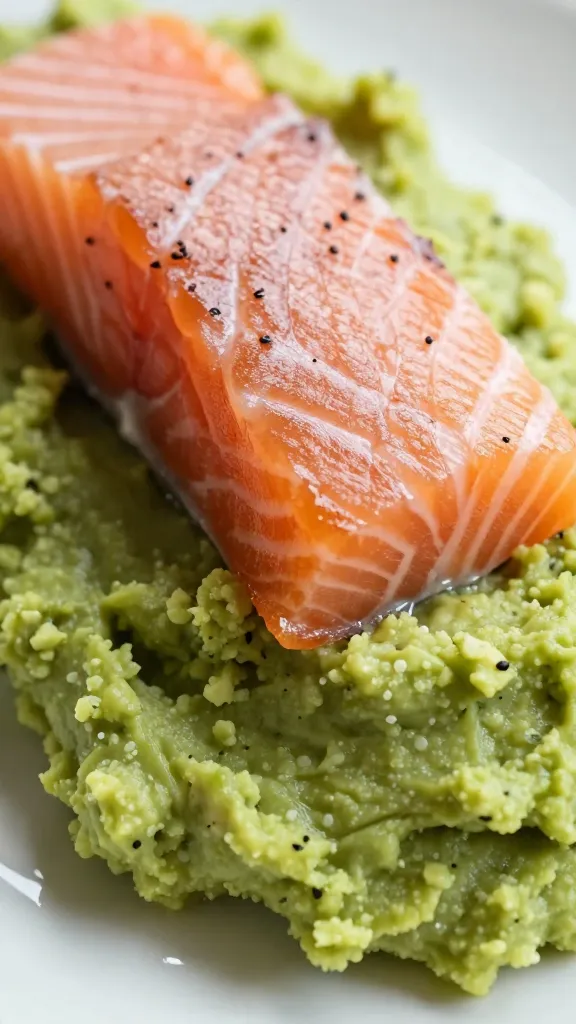
The mash should be creamy but not whipped into oblivion. If you want more bite, mash with a fork and leave a few avocado chunks intact. For extra tang, fold in a teaspoon of Greek yogurt or sour cream. A light sprinkle of flaky salt on the mash right before serving creates tiny crunchy bursts that your tongue will adore.
Tips for best results
- Ripen avocados at room temp; they soften faster in a paper bag with a banana. Yes, really.
- Let the salmon rest for a couple of minutes after coming out of the oven to redistribute juices.
- If you’re in a bag hurry, you can broil the salmon for 1-2 minutes at the end for extra color. Keep an eye on it!
Ingredient swaps
- Swap salmon for trout or cod if you prefer white fish or want a milder flavor.
- Make the mash dairy-free by using olive oil and lime only, or swap Greek yogurt for coconut yogurt for a dairy-free twist.
- Add salsa or pico de gallo on top for a fresh, zippy layer.
Plating like a pro (without drama)
Presentation matters, even on weeknights. Spoon a generous crescent of avocado mash on the plate, lay the salmon beside it, and drizzle any glaze over the top. A quick sprinkle of chopped cilantro and a few lemon wedges complete the look. If you’re feeling fancy, nestle the salmon on a bed of arugula or spinach for a pop of color and a peppery bite.
Pro tips
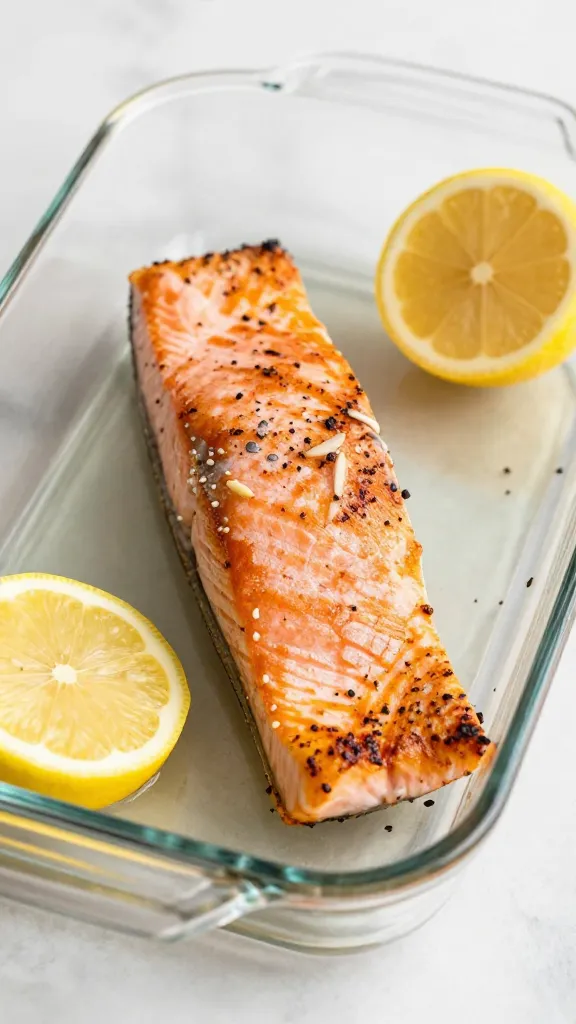
- Choose skin-on salmon for extra crisp edges and easy searing in a pan if you’re into that method.
- Season the fish boldly; salmon’s flavor profile can handle it. Don’t go shy on salt.
- Use a baking sheet lined with parchment for easy cleanup and less sticking.
Common mistakes
- Overcooking salmon to a dry finish. Set a timer and check a minute early; it continues cooking off the heat.
- Mushy avocado mash. If it’s too soft, it turns to green-tuddle. Add lime juice and a touch of salt to balance.
- Mash too aggressively. You want cream, not an avocado avalanche.
Variations you can try next time
- Spicy kick: add a pinch of chili flakes to the mash or glaze the salmon with a sriracha-honey mix.
- Herby crowd-pleaser: fold in chives, dill, and parsley into the mash for a fresh, green finish.
- Holiday vibe: top with crumbled feta and a squeeze of lemon for a bright, feta-kissed finish (great with spring greens).
Comparison blocks
- Salmon with avocado mash vs. salmon with pesto: avocado keeps things creamy and mild, pesto adds piney, herby punch. Both work; your mood decides.
- Oven-baked vs. pan-seared skin-on: oven gives even cooking; pan-sear gives a crisp skin and quick flavor development. Both can end with a quick finish in the broiler if you want that extra bronze.
FAQ
Q: Can I use frozen salmon? A: Yes, but thaw it slowly in the fridge and pat dry before cooking for best texture.
Q: How long will this keep in the fridge? A: The salmon and mash are best fresh, but you can store them separately for up to 2 days. Reheat salmon gently to avoid dryness; mash can be refreshed with a splash of lime juice.
Q: I don’t like lime. Any substitutes? A: Lemon works great, or a splash of white wine vinegar for a little brightness. Cilantro lovers can swap in cilantro lime dressing if you’re feeling fancy.
Q: Is this kid-friendly? A: Absolutely. Mild salmon, creamy mash, and a touch of lemon make a winner for picky palates. Scale back the spices and you’re good to go.
Conclusion
Baked salmon with avocado mash is the kind of dish that makes weeknights feel doable and special at the same time. It’s fast, it’s bright, and it behaves in the best possible way in the oven. Whether you’re feeding yourself or a hungry crew, this duo brings together lean protein and velvety goodness with zero fuss. Give it a shot tonight—you’ll probably end up adding it to the regular rotation, because it’s got that secret sauce: simple brilliance. IMO, you’ll thank yourself later.
Leave a Reply