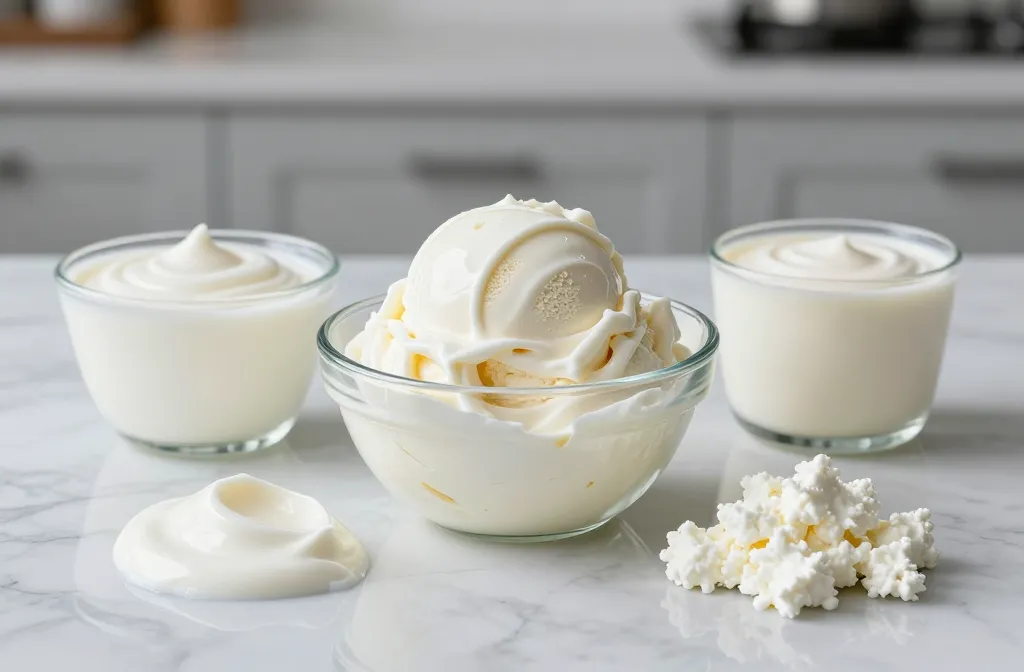
I’m obsessed with dessert that fuels my workouts, not sabotages them. So if you crave something creamy, protein-packed, and basically a frozen hug, you’re gonna love this. We’re talking high-protein frozen yogurt alternatives that actually taste like dessert, not chalky science experiments. Ready to scoop smarter, not harder?
What makes a high-protein frozen yogurt alternative tick?
Ever looked at a tub labeled “protein ice cream” and thought, nah, I don’t want to chew on a chalkboard? The good stuff delivers creamy texture, real flavor, and a solid protein punch. The secret isn’t just adding more protein powder; it’s about balancing texture, sweetness, and nutrition so you can eat it straight from the tub without guilt. FYI, you’ll want to consider bases like Greek yogurt, skyr, dairy-free alternatives, or even aquafaba for that whipped creaminess.
Base options: dairy, dairy-free, and everything in between
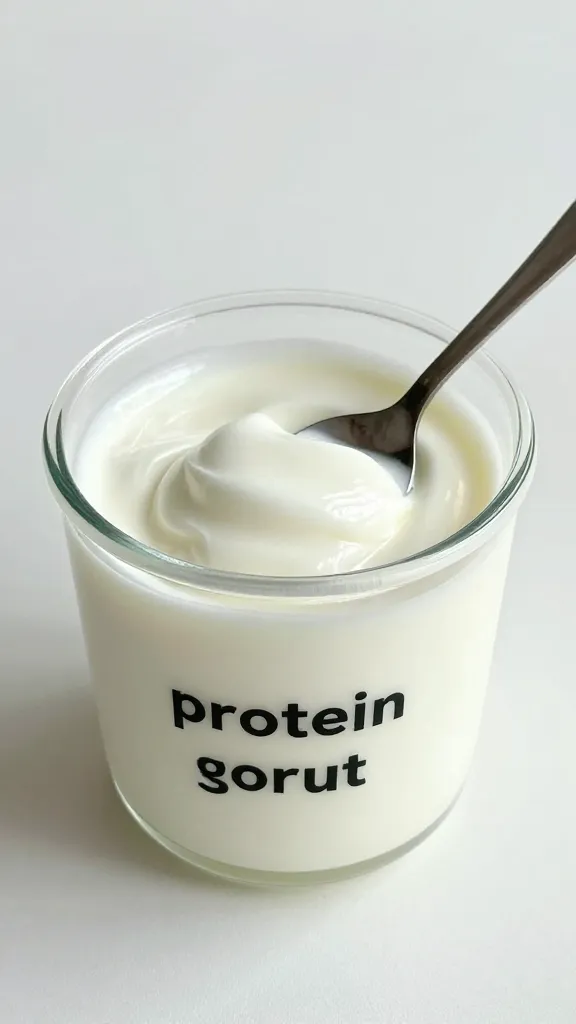
Dairy-forward: Greek yogurt or skyr bring tang and thickness. They’re protein powerhouses, usually 15-25 grams per cup, and they freeze surprisingly well.
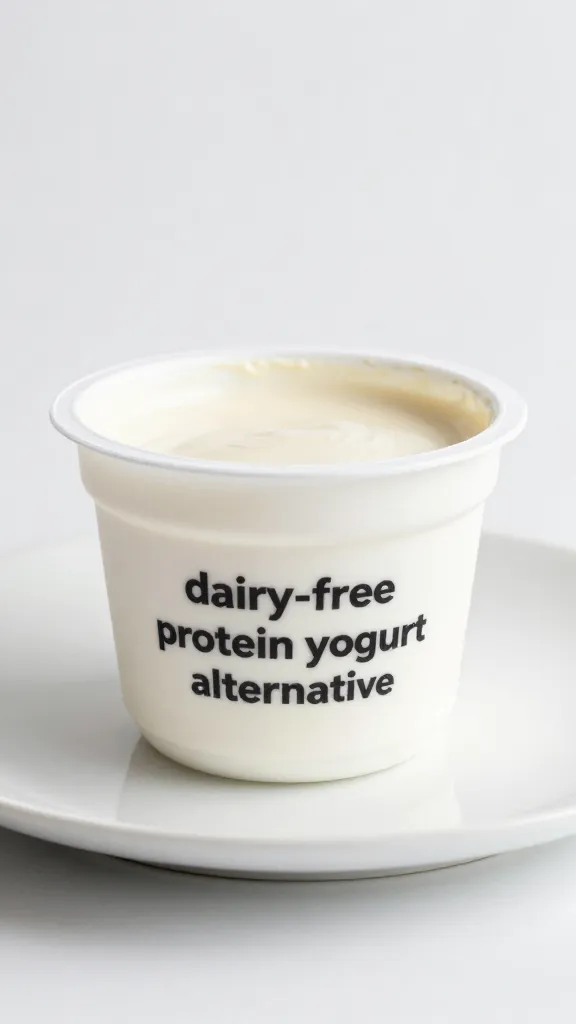
Dairy-free picks: Coconut milk yogurt, almond yogurt, or soy yogurt can imitate the mouthfeel without dairy. Look for options with added stabilizers or gums to keep things scoopable.
Non-yogurt bases: Protein-rich alternatives like cottage cheese can be blended smooth for a surprisingly creamy result. Silken tofu works in a pinch if you’re chasing ultra-smooth texture without dairy.
FAQ riff: Is dairy-free really dairy-free? Yes, but check labels for hidden dairy cross-contamination if you’re sensitive.
Texture hacks: how to get scoop-worthy creaminess
Texture is the plot twist here. No one wants a crumbly block that shatters like glass.
- Freeze in shallow, wide containers to cut down on cryo-time and speed up the hardening process.
- Add a little fat or creaminess booster: a splash of coconut milk, a tablespoon of nut butter, or a teaspoon of cream cheese can do wonders.
- Balance the water: fruit chunks are delicious but waterlogged. Puree fruit instead or add a splash of milk or yogurt to keep things smooth.
- Churn or whisk during freezing: every 30-60 minutes, give it a stir. This prevents ice crystals and creates that soft-serve vibe.
Protein punch without overpowering flavor
You don’t want protein disguising your dessert. Aim for 15-25 grams per serving, depending on your goals, but make it taste good first.
- Protein sources: Greek yogurt, casein blends, whey isolate, plant-based blends (pea+rice), or cottage cheese blended smooth.
- Sweetness: Use real fruit, a touch of honey or maple, or a splash of vanilla. Avoid overt sweetness that masks the dairy notes.
- Flavor boosters: vanilla bean, cocoa powder, espresso, matcha, or cinnamon. A pinch of salt can also elevate everything.
5 tasty flavor ideas to try this weekend
Here are some go-to combos that blend flavor and protein without feeling like a diet trap.
- Vanilla bean Greek yogurt with strawberries and a little almond butter.
- Banana chocolate fudge: mashed banana, cocoa powder, and whey isolate for a dessert-thick shake.
- Peanut butter swirled coconut yogurt with crushed peanuts and dark chocolate chips.
- Matcha oat yogurt with white chocolate shards for an earthy-sweet treat.
- Coconut mango lime: dairy-free base, mango puree, lime zest, and shredded coconut.
Subsections: deeper dives for extra flair
Tips for best results
- Chill your base before you churn it, so it freezes evenly and stays scoopable.
- Use a little lemon or lime juice with fruit-only versions to brighten flavors and reduce freezer notes.
- Test small batches first. If texture is off, tweak fat or moisture next time.
Ingredient swaps
- Swap Greek yogurt for skyr for extra tang and protein.
- Try aquafaba (liquid from chickpeas) for a lighter, whipped texture if you’re dairy-free.
- Use cottage cheese blended silky in to boost protein without adding heavy flavor.
- For vegan options, blend silken tofu with a plant-based yogurt and a protein powder of choice.
Pro tips
- Freeze the serving container for a couple of hours to keep the mixture from softening too fast once scooped.
- Store in individual portions so you don’t defrost more than you need. Less waste, more willpower.
- If it’s icy, blend with a splash of milk or water to smooth out just before serving.
Common mistakes
- Over-thickening with too much protein powder, resulting in a chalky mouthfeel.
- Using fruit with high water content directly. Puree instead or add as a swirl after churning.
- Forgetting to balance sweetness with a touch of salt or vanilla—everything tastes flat otherwise.
Variations
- Swirl-in stage: add a ribbon of peanut butter, caramel sauce, or berry compote after the base chills but before final freezing.
- Layered desserts: alternate layers of protein yogurt base with fruit puree or cacao nibs for a parfait vibe.
Comparison blocks
Here’s a quick side-by-side to help you decide based on your mood and dietary needs.
- <strongDairy Greek yogurt base vs. dairy-free coconut base: Greek gives tang and protein; coconut adds rich tropical flavor but can feel heavier and sometimes sweeter. Both can be scoopable with the right fat balance.
- <strongWatered-down texture risk: Use less liquid and add pureed fruit and yogurt for structure.
- <strongFlavor impact: Natural fruit reduces the need for extra sweeteners; powders add protein but can mute dairy notes, so balance with vanilla or citrus.
FAQ
Q: Can I make this ahead for the week? Absolutely. Freeze in single-serve portions and thaw 10-15 minutes before scooping. FYI, some brand-new flavors may settle, so give it a quick stir after thawing.
Q: How much protein do I actually need? Goals vary, but a cup typically ranges from 15 to 25 grams. If you’re training hard, aim toward the higher end and adjust with a post-workout snack.
Q: Is it okay to add sugar-free syrups? Sure, but read labels. Some sugar alcohols can cause a cooling effect or GI discomfort in some people. Use sparingly and taste as you mix.
How to customize for different diets
- Vegetarian but not vegan? Go dairy-based with yogurt and whey or casein protein.
- Vegan? Use plant-based yogurt blends and pea/rice protein powders. Add natural sweetness from fruit or date paste.
- Low-sugar option? Lean on tart yogurt, berries, and a touch of vanilla—let the fruit do the sweet talking.
Add sections like: Pro tips, Common mistakes ,Variations, Comparison blocks
Already covered above, but think of this as the shortcut you bookmark when you’re mid-assembly and whisper, “Is this even going to taste good?” Yes, it will—if you follow the tiny tweaks that actually matter. IMO, the difference between “meh” and “a-mazing” is usually texture and balance, not fancy ingredients.
Conclusion
High-protein frozen yogurt alternatives don’t have to be a compromise. With the right base, a clever texture trick, and flavor that pops, you get dessert-worthy creaminess and a protein boost you can actually feel good about. So next time you crave something cold and creamy, skip the run-of-the-mill yogurt and go for a version that fuels your goals and your taste buds. FYI, your future self will thank you for the extra protein and the extra swirls of joy.
Leave a Reply