
An early-morning debate that never gets old: eggs or Greek yogurt for staying full until lunch? Let’s settle this like grown-ups who actually want to eat breakfast without turning into a hangry monster. Spoiler: there’s more to it than “protein good, carbs bad.” Pull up a chair—we’re digging into how these two breakfast staples actually behave in your stomach, your energy, and your plans for the day.
What Do We Even Mean by “Staying Full”?
– Hunger isn’t just a feeling; it’s a signal from your body that it needs fuel. Different foods delay that signal differently.
– Satiety comes in waves: how long you stay satisfied depends on protein, fat, fiber, and even the food’s texture.
– Quick carbs spike your blood sugar and crash fast. Protein and fat ride a slower, steadier curve. That’s the real secret behind lasting fullness.
Eggs: The Ultimate Versatile Lock-Down

Eggs are like the Swiss Army knife of breakfasts: quick, reliable, and surprisingly satisfying. They’re also relatively inexpensive and incredibly adaptable. Here’s why they often win on fullness:
The Protein Punch
– A large egg has about 6 grams of high-quality protein. When you pair eggs with a bit of fat (like avocado or olive oil) and some fiber (vegetables), you create a longer-lasting fullness signal.
– Protein has a high satiety effect, which means you’ll feel full longer after a protein-heavy breakfast. FYI, your brain also likes protein—it helps you avoid the mid-morning snack apocalypse.
Fat, Fiber, and Texture Matter
– Cooking method matters. A fried egg with a little oil or a veggie-rich scramble gives you fat and fiber that slow digestion.
– Texture influences fullness too. A lusciously creamy yolk can feel indulgent, but chewing resistance from vegetables or whole-grain sides adds to the meal’s lasting power.
Practical Ideas You’ll Actually Make
– Veggie-packed scramble with a side of whole-grain toast and a drizzle of olive oil.
– Shakshuka-style eggs in tomato sauce with peppers and onions.
– Omelet loaded with spinach, mushrooms, and feta. Simple, satisfying, and easy to riff on.
Greek Yogurt: Creamy, Quick, and Packed with Protein
Greek yogurt is basically the multitasker of breakfast land: creamy, tangy, and full of protein. It’s fantastic when you’re in a hurry, but how does it stack up on fullness?
Protein Central
– Greek yogurt usually contains more protein per serving than regular yogurt, which can help keep you full. A single serving can deliver around 15-20 grams of protein depending on the brand.
– The protein is dairy-derived, so it’s a complete protein—great for satiety and muscle maintenance.
Fat, Sugar, and the Toppings Dilemma
– Full-fat Greek yogurt naturally slows digestion a bit more than the nonfat version, which can extend fullness. Just watch added sugars in flavored varieties—those are sneaky appetite thieves.
– Toppings matter: nuts, seeds, and fiber-rich fruit add healthy fats and fiber, dialing up fullness without overloading on sugar.
Practical Ideas You’ll Actually Make
– Plain Greek yogurt with berries, a handful of nuts, and a sprinkle of chia seeds.
– A savory bowl with cucumber, tomato, olives, and a drizzle of olive oil and lemon.
– Greek yogurt smoothie with spinach and a scoop of protein powder for a quick on-the-go option.
Texture, Volume, and How You Eat It

Sometimes fullness isn’t just about grams of protein; it’s about how much you chew, how bulky the meal feels, and how long it takes to eat.
- Chew factor: firmer textures or added fiber (veggies, seeds) can slow you down and extend satiety signals.
- Volume matters: a big portion of eggs with veggies can feel more filling than a small bowl of yogurt, even if the protein grams are similar.
- Liquid vs solid: yogurt is closer to a liquid/semisolid state, which sometimes means you might eat it quicker than you’d think. Pair it with crunchy toppings to extend the process.
Which Breakfast Keeps You Full Longer: A Practical Look
Let’s cut to the chase. It depends on portions, toppings, and your daily routine, but there are some patterns you can rely on.
Short on Time
– Greek yogurt wins for speed. Grab a cup, add fruit and nuts, and you’re out the door.
– Eggs can be fast too, especially if you keep ingredients prepped (veggies chopped, cheese grated). A 5-minute scramble isn’t a myth.
Longer Hunger Windows
– A hearty eggs-based meal with vegetables and healthy fats tends to hold you over longer than a simple bowl of yogurt, especially if you’re pairing with high-fiber sides.
– But if you top Greek yogurt with chia seeds, flax, and almonds, you can stretch fullness impressively. The fiber and fats work synergistically.
Weight Management Considerations
– If you’re aiming to control appetite across the day, a protein-forward breakfast with some fat and fiber helps. Eggs and Greek yogurt both fit the bill—just think about what you add to them.
– Portion control matters. More isn’t always better, but more protein and fiber generally help you stay satisfied longer.
Flavor, Versatility, and Your Personal Preference
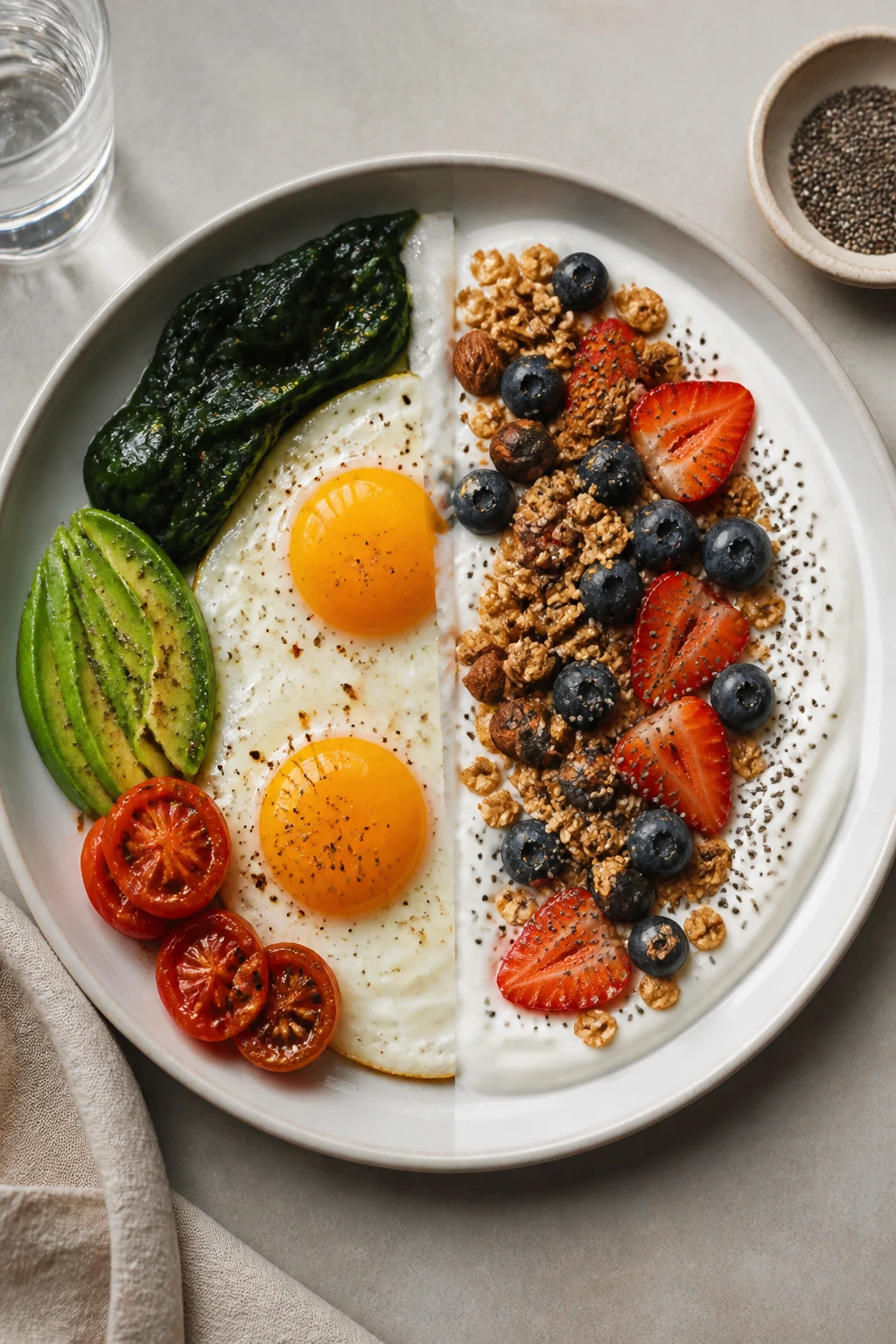
Taste is a huge driver of whether you’ll stick with a breakfast. If you love the flavor, you’ll keep choosing it, and that consistency matters for fullness and overall energy.
Eggs Are Craft-Friendly
– Eggs lend themselves to endless combos: veggie-packed scrambles, frittatas, breakfast burritos, shakshuka, and more.
– If you’re bored with plain eggs, you’ll skip meals or reach for quick snacks that derail fullness.
Greek Yogurt Wins on Creaminess
– The tang of yogurt can be a refreshing change from savory eggs. It works especially well in warmer weather or when you want a lighter morning feel.
– Flavored varieties are tempting but often come with added sugar. If you choose, do so sparingly and balance with protein and fiber.
How to Optimize Either Choice for Maximum Fullness
Whether you’re team eggs or team yogurt, you can tweak your breakfast to boost fullness.
For Eggs
– Add fiber: toss in spinach, peppers, onions, tomatoes. The fiber slows digestion and adds bulk.
– Include healthy fats: a bit of avocado, olive oil, or cheese helps extend satiety.
– Pair with a high-fiber side: whole-grain toast, a small portion of oats, or a fruit salad with seeds.
For Greek Yogurt
– Choose higher-protein, plain varieties to minimize added sugars.
– Add fiber and crunch: berries, chia seeds, flaxseed, or a small amount of granola.
– Include a fat source: nuts or a spoon of nut butter can help your stomach feel full longer.
Science Snippet: What Studies Say About Satiety
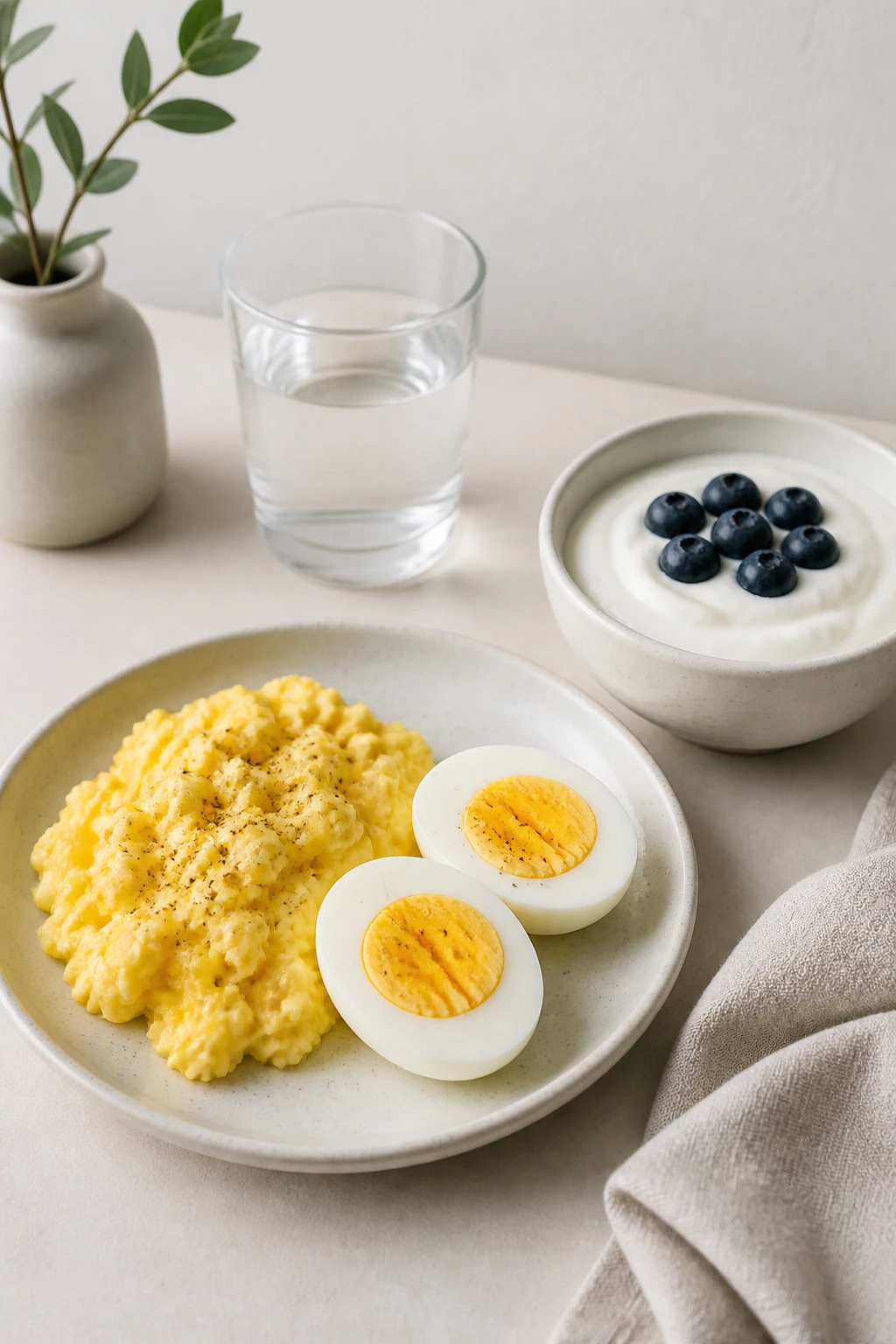
– Protein-rich meals raise satiety more than carbohydrate-heavy meals. Both eggs and Greek yogurt deliver protein, but the overall effect depends on portions and accompaniments.
– Fiber is your best friend for fullness. Since yogurt lacks fiber on its own, dress it up with fruit, seeds, and nuts to reap the fiber benefits.
– Fat can extend fullness, but not all fats are created equal. Favor healthy fats like olive oil, avocado, and nuts over processed fats.
When to Choose One Over the Other
– If your morning is chaotic and you need something to grab and go, Greek yogurt with toppings is unbeatable for speed and satisfaction.
– If you crave a savory breakfast or want a more textured, bulky meal, eggs with veggies and a side can keep you full longer.
FAQ
Can I really stay full longer with eggs or yogurt, or is this different for everyone?
Everyone’s metabolism and appetite signals are a bit different. Protein helps most people feel fuller longer, but your personal preferences, portion sizes, and what you pair with the main item matter a lot. Experiment to see what keeps you satisfied through the morning.
Should I avoid yogurt if I’m watching sugar intake?
Not necessarily. Plain Greek yogurt is naturally lower in sugar than flavored options. If you want sweetness, add fresh fruit or a drizzle of honey in small amounts. The key is balance—keep protein and fiber high and sugar relatively low.
Is one breakfast better for weight loss than the other?
Both can fit into a weight-loss plan. It’s less about the single meal and more about overall daily protein intake, fiber, and total calories. A protein-rich breakfast with fiber tends to reduce mid-morning snacking and help control appetite.
What about dairy allergies or lactose intolerance?
If dairy is out for you, eggs are a reliable option for protein and fullness. For yogurt lovers with dairy sensitivity, consider lactose-free yogurt or plant-based yogurts that pack protein and fiber, like soy or pea protein varieties.
Can I combine eggs and Greek yogurt for maximum fullness?
Absolutely. You can have eggs for a savory main dish and a small yogurt bowl as a side or dessert. The combination increases protein and fiber intake, helping you feel full longer and variety keeps mornings interesting.
Conclusion
Both eggs and Greek yogurt have real staying-power, especially when you dress them up with fiber, healthy fats, and mindful portions. If you’re racing against the clock, yogurt is your speed-demon friend. If you want a heartier, savory start that sticks to your ribs, eggs take the lead. Experiment with toppings, sides, and portions to find your perfect fullness formula. IMO, mix it up through the week so you don’t get bored—and you’ll breeze through mornings with less hunger drama.
Leave a Reply