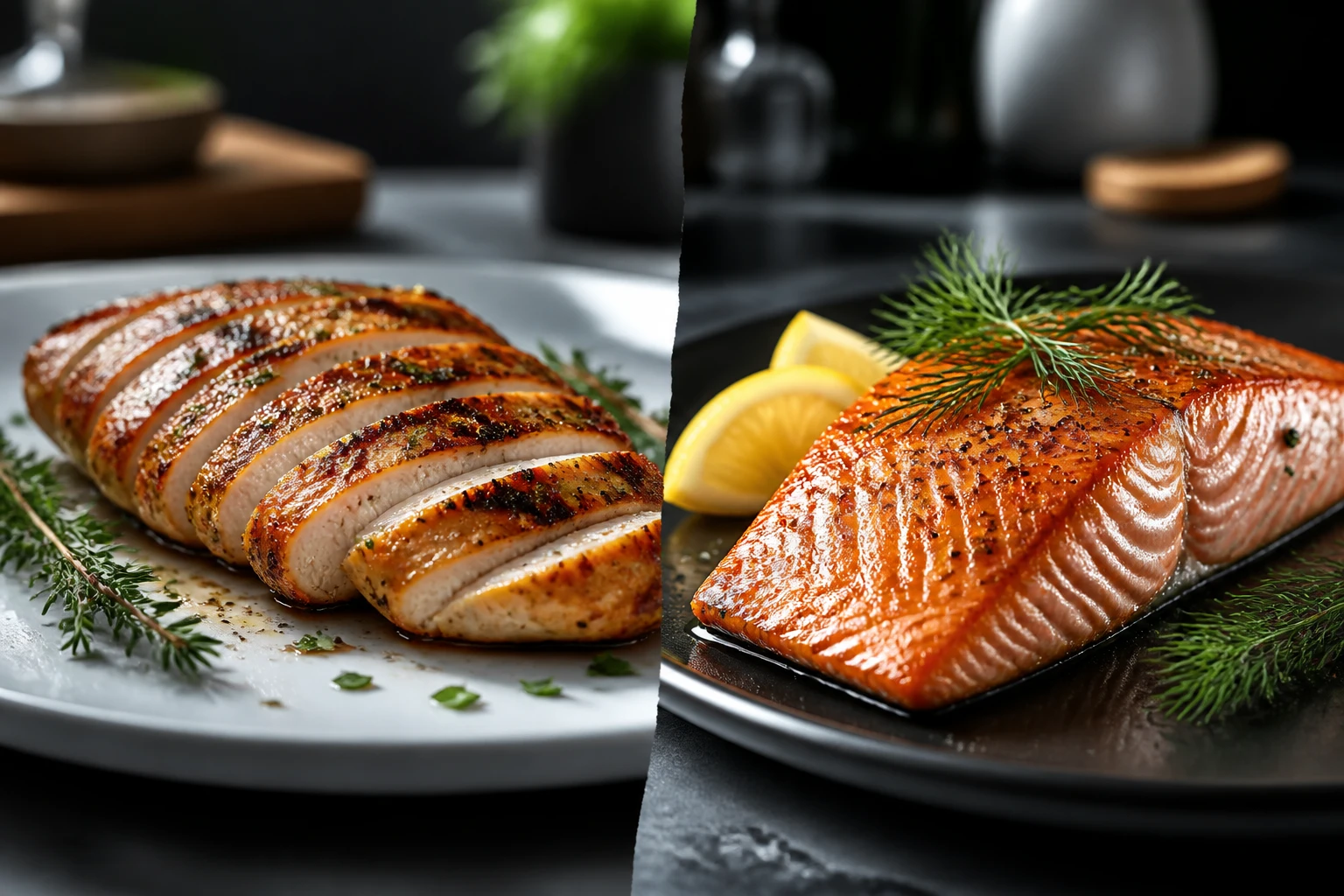
Let’s settle the classic protein debate once and for all. Chicken breast or salmon—what actually helps you pack on muscle without turning dinner into a boring chore? Spoiler: it’s not about chasing a single miracle food. It’s about how you use them, when you eat them, and how they fit your goals.
Why Protein Matters for Muscle Growth
Muscle growth boils down to a simple equation: you need enough protein to support repair, a solid training plan, and proper recovery. Protein provides the amino acids your muscles crave after a tough session. But not all proteins are created equal in every situation.
FYI, timing matters—but not in the way you might think. It’s more about hitting your daily protein target and getting a good mix of amino acids over the day, rather than obsessing over a single “magic hour.”
Chicken Breast: Pros, Cons, and Practical Tips
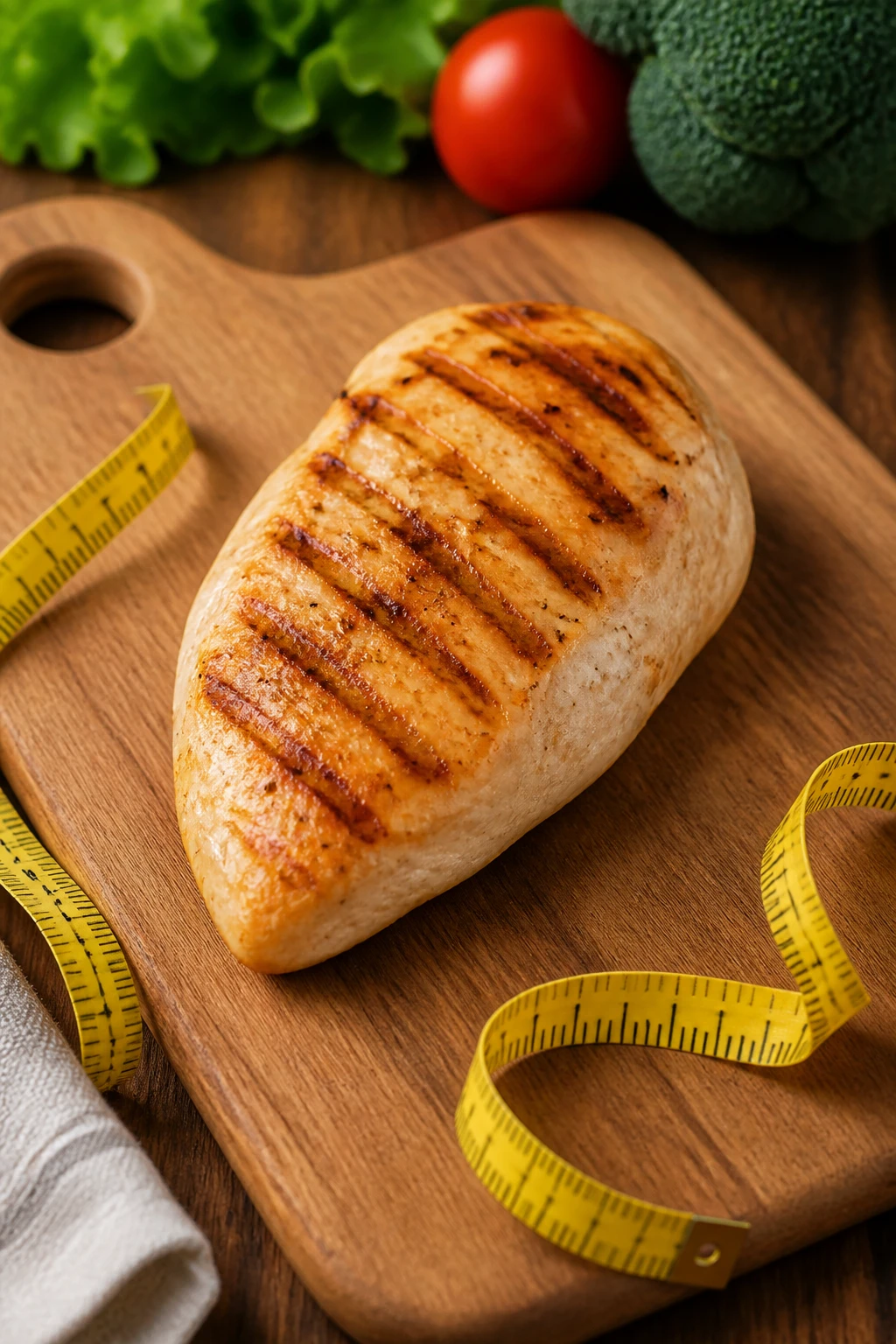
Chicken breast is often the default gym staple. It’s lean, versatile, and affordable. But is it the be-all and end-all for muscle growth?
What makes it great
- Lean protein with minimal fat and calories per gram, making it easy to hit protein targets without blowing your macros.
- Widely available and typically budget-friendly.
- Very versatile in prep—grill, bake, stir-fry, you name it.
Potential downsides
- Very low fat can be boring and may not be ideal if your overall fat intake is skimpy. Healthy fats matter for hormones and overall satiety.
- Overcooking is common in home kitchens, leading to dry, chewy texture. No one wins a chicken crown for dryness.
- Some people gripe about monotony—your taste buds deserve a little drama too.
How to optimize chicken for muscle gains
- Pair with healthy fats: olive oil, avocado, or nuts to boost flavor and overall calories when needed.
- Use marinades and varied cooking methods to keep meals interesting.
- Aim for a protein target of roughly 1.6–2.2 grams per kilogram of body weight per day, depending on training intensity and goals.
Salmon: The Omega-Rich Powerhouse
Salmon gets props beyond protein: it’s rich in omega-3 fatty acids, which can help with inflammation, recovery, and even muscle protein synthesis to some extent. Does that mean salmon is superior for muscle growth? Not exactly, but it brings important benefits.
What makes it great
- Omega-3s support inflammation control and potentially aid recovery between sessions.
- Higher fat content adds calories easily, which helps if you’re aiming to gain mass or if you struggle to hit calories.
- Delicious and satisfying—taste can improve adherence to a higher-protein plan.
Potential downsides
- Generally more expensive than chicken, depending on where you shop and season.
- Some people have concerns about mercury at very high consumption levels, though typical gym-goer intake remains safe.
- Fat content means it’s easier to go over calories if you aren’t mindful of portions.
How to optimize salmon for muscle gains
- Choose wild-caught or responsibly farmed salmon when possible for flavor and sustainability.
- Balance with veggies and a starch source to ensure you’re not just chasing protein but a complete meal.
- Use simple seasonings to preserve flavor without adding unnecessary calories—lemon, herbs, garlic, and a touch of olive oil work wonders.
Protein Quality: Does It Matter?
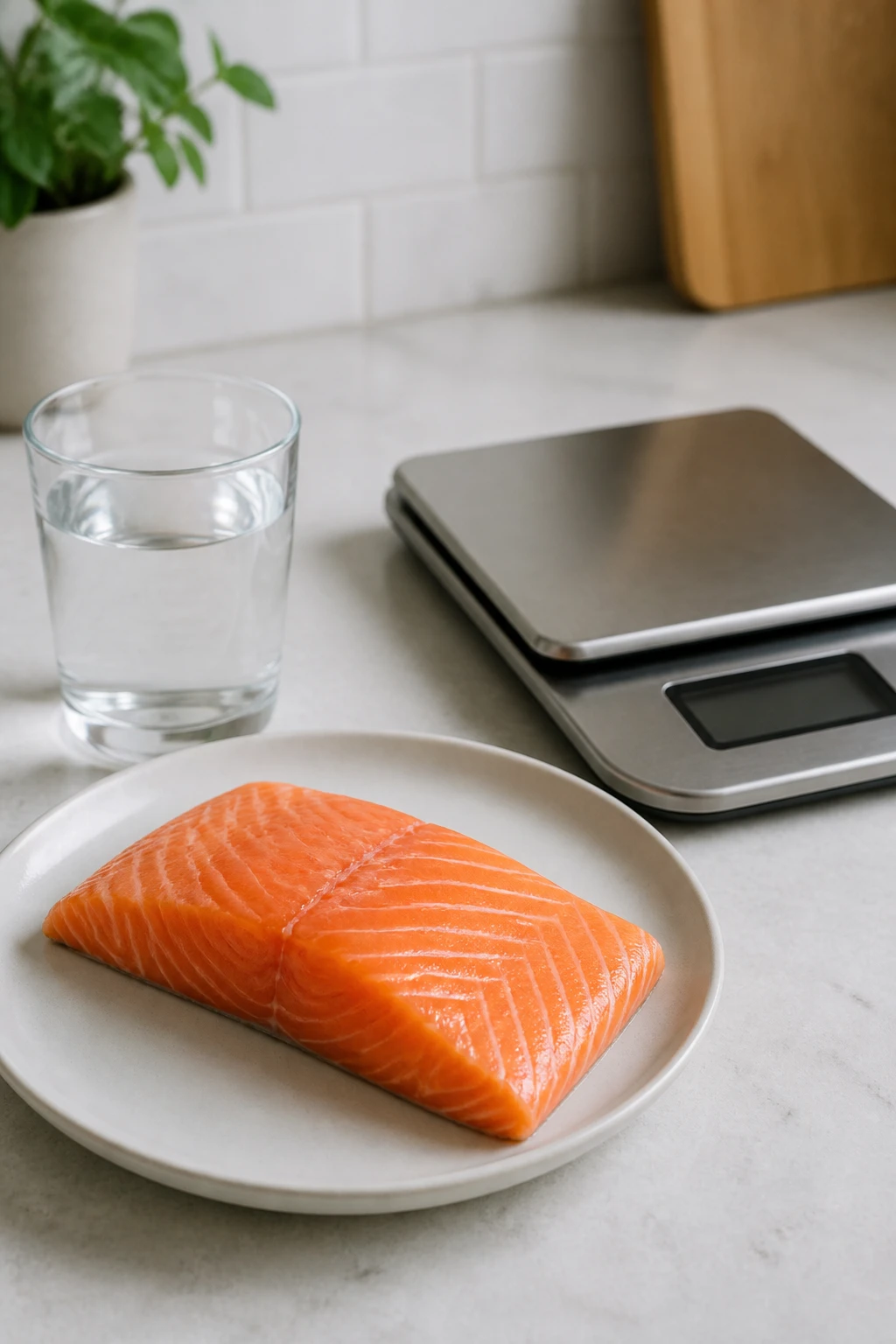
Protein quality often comes up in conversations. Animal proteins, like chicken and salmon, are complete proteins. They contain all nine essential amino acids—great for muscle repair and growth. Plant proteins can be excellent too, but you usually need to combine sources to cover the full spectrum of amino acids.
Digestibility and absorption
Animal proteins typically have higher digestibility, meaning your body can use more of the protein you eat. That can translate into more efficient muscle repair, especially after grueling workouts.
Practical takeaway
- For most lifters, sticking with high-quality animal proteins a majority of the time helps simplify hitting daily protein targets.
- Mix in plant-based options if you like variety or have dietary preferences, just be mindful of total protein intake and variety.
Meal Timing and Frequency: Do You Need the Protein Straw Hero?
Chipping away at muscle gains isn’t about a single meal. It’s about consistent protein intake across the day and fueling around workouts.
Pre-workout protein
Having a protein-rich snack or meal 1–3 hours before training can help reduce muscle breakdown and support performance. It doesn’t have to be giant; a chicken breast sandwich, a salmon salad, or a Greek yogurt parfait can do the job.
Post-workout nutrition
Post-workout protein helps kickstart muscle repair. Aim for 20–40 grams of protein within a 1–2 hour window after training, plus some carbs to replenish glycogen. Salmon or chicken both work nicely here.
Daily totals over timing myths
Focus on hitting your daily protein target first. If you miss a meal, adjust the next one. Consistency beats heroic, sporadic bursts every time.
Beyond Protein: Carbs, Fats, and Overall Diet
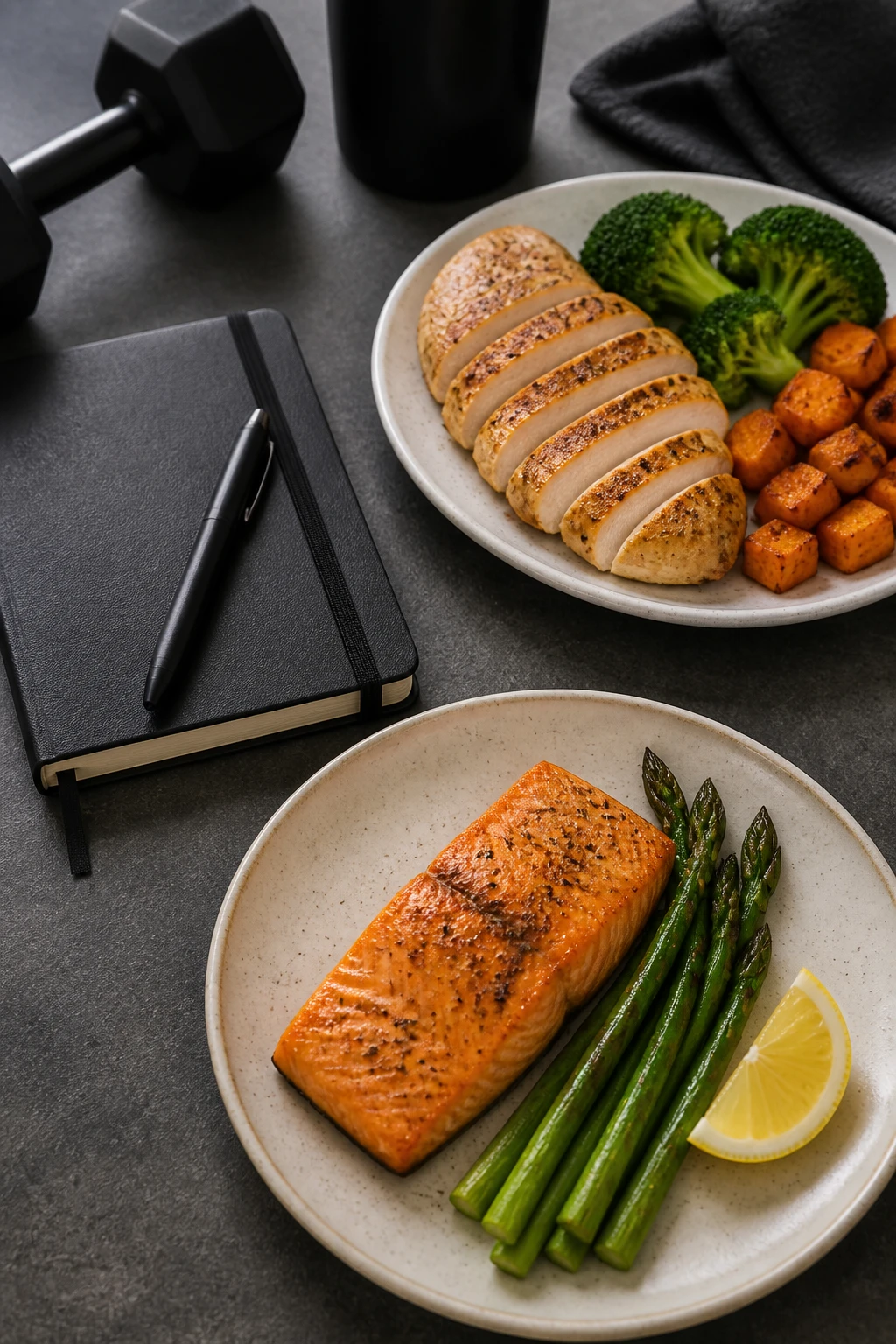
Muscle growth isn’t a one-ingredient recipe. It relies on your overall energy balance and micronutrients too.
Carbohydrates fuel performance
Carbs fill muscles with glycogen, the fuel your workouts depend on. Don’t fear them. Pair your chicken or salmon with a solid carb source like rice, potatoes, or quinoa to sustain lifts and proper recovery.
Fats for hormones and calories
Healthy fats support hormone production—critical for muscle growth. Include sources like olive oil, avocado, nuts, and fatty fish (hello, salmon) to keep hormones happy and performance steady.
Micronutrients matter
Iron, zinc, calcium, vitamin D, and B vitamins all play supporting roles in energy, recovery, and muscle function. A varied diet with leafy greens, dairy or fortified alternatives, and colorful produce helps cover bases.
Practical Meal Plans: Chicken, Salmon, and Everyday Scenarios
Let’s translate theory into real-life meals that don’t demand chef-level skills or a tiny mortgage.
Starter week plan
- Lunch: Grilled chicken breast with quinoa and roasted veggies
- Dinner: Salmon fillet with sweet potato and broccoli
- Snack: Greek yogurt with berries and a handful of almonds
Budget-friendly swaps
- Use canned tuna or sardines for quick protein boosts when you’re tight on cash.
- Buy chicken on sale in bulk and freeze portions for quick weeknight dinners.
Busy schedule tactics
- Batch-cook proteins on Sundays, then reheat with different sides during the week.
- Keep easy grab-and-go options like pre-cooked chicken strips, canned salmon, or protein-rich yogurts on hand.
Are You Team Chicken, Team Salmon, or Both?
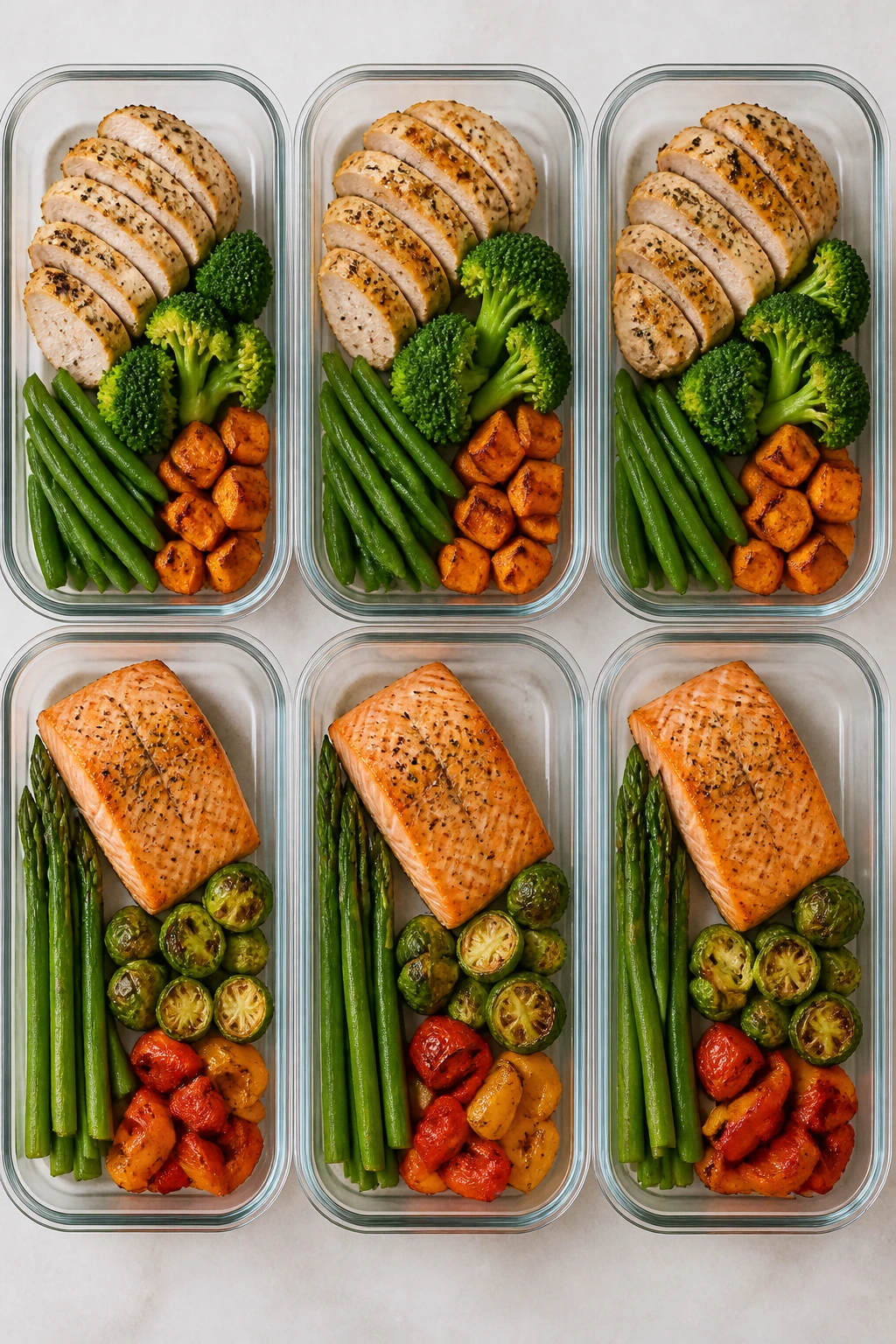
Short answer: yes. The best approach often involves both, rotating to keep meals interesting and nutrients balanced. Chicken is a reliable staple for lean protein and budget-friendly meals. Salmon brings extra fats and omega-3s that can aid recovery and general health.
When one might beat the other
If you’re cutting weight and need to trim calories, chicken helps you stay on target without sacrificing protein. If you’re in a bulk or want extra calories and fats to support recovery, salmon’s fat content can be a lifesaver. IMO, variety prevents plate fatigue and keeps you motivated to stick with your plan.
A quick decision framework
- Are you trying to cut while maintaining muscle? Lean chicken wins on calories per gram of protein.
- Want easier recovery and higher calorie density? Salmon earns extra brownie points.
- Do you have dietary preferences or budget constraints? Mix and match to balance your life.
Common Myths Debunked
Let’s clear up a few fake-news nuggets that still float around the fitness world.
Myth: You need a protein shake every day
Shakes can help when you’re busy or post-workout, but whole foods like chicken and salmon deliver extra nutrients and satiety that shakes can’t match.
Myth: More protein always equals more muscle
Too much protein can be wasted if you’re not lifting hard enough or recovering properly. Balance protein with training, carbs, fats, and rest.
Myth: Fat makes you fat
Healthy fats are essential. They support hormones, calories for growth, and flavor. Don’t fear fats—just track them.
FAQ
Is salmon better for muscle growth than chicken?
Both are excellent protein sources. Salmon has extra omega-3 fats that may support recovery and inflammation control, while chicken is lean, affordable, and high in protein per calorie. The best choice depends on your goals, budget, and preferences. IMO, a mix often works well.
How much protein do I need for muscle growth?
Aim for about 1.6–2.2 grams per kilogram of body weight per day, depending on training intensity, volume, and goals. If you’re lifting hard, lean toward the higher end. If you’re unsure, start around 1.8 g/kg and adjust.
Should I worry about mercury in salmon?
For most people, typical salmon consumption is safe. Mercury is more of a concern with large, long-lived species or very high consumption. Enjoy moderate servings and vary your fish choices to minimize risk.
How often should I eat chicken vs salmon?
There’s no magic rule. A practical approach is to include both across the week, depending on meals, budget, and cravings. Consistency over a strict split is what matters.
Can I get all my protein from plant sources?
You can, but you’ll need to plan to combine different plant proteins to cover all essential amino acids. If you’re not vegan or don’t mind dairy/eggs, animal proteins often simplify hitting targets.
Conclusion
Chicken breast and salmon both have a rightful place in a muscle-building plan. Chicken shines as a lean, budget-friendly backbone that keeps protein high with fewer calories. Salmon brings fats and omega-3s that can aid recovery and add flavor to your routine. The real win is how you combine them with a solid training plan, adequate rest, and overall nutrition. So grab a couple of fillets this week, mix in some chicken dinners, and keep your meals varied enough to actually look forward to them. You’ll build muscle, feel energized, and actually enjoy the process. FYI, consistency beats occasional hero meals every time.
Leave a Reply