
An open question that never gets old: which dairy staple should you reach for—cottage cheese or Greek yogurt? If you’ve ever stood in the dairy aisle debating protein punch, creamy texture, or sodium sneaking in, you’re not alone. Let’s cut through the hype, compare the basics, and figure out which one actually deserves a regular spot in your fridge.
What They Are, In Plain Terms
Cottage cheese and Greek yogurt both start as milk, but they take different paths to your spoon. Cottage cheese is curdled milk with the whey drained off, leaving soft, lumpy curds. Greek yogurt is strained yogurt, giving you a thick, tangy smear that clings to a spoon. Texture lovers, rejoice: one’s chunky and mild, the other dense and tart. Flavor aside, they’re both protein-packed snacks that can fit into various routines.
Protein Pros: Which Packs More Muscle Power?
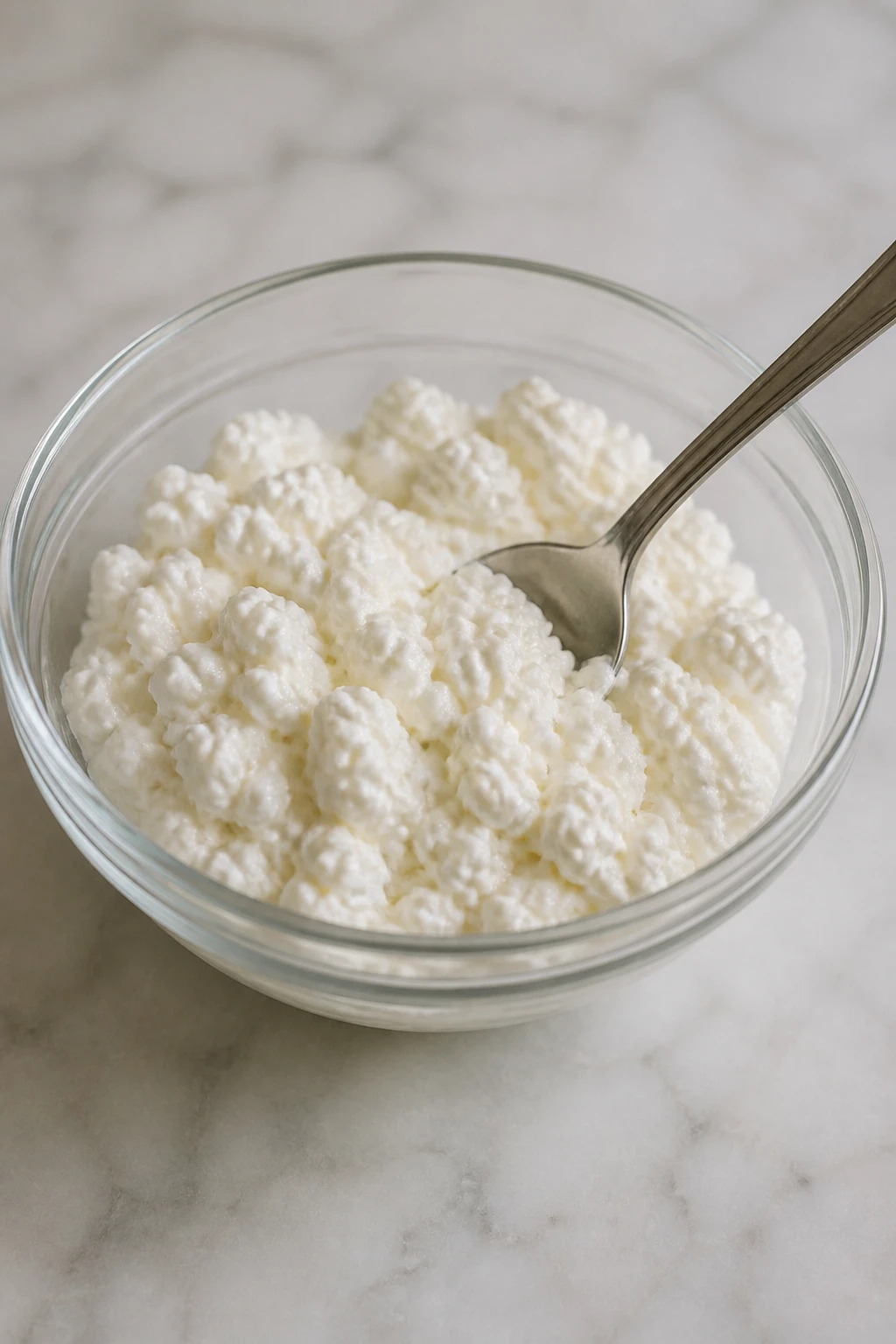
– Greek yogurt often touts higher protein per serving than cottage cheese, especially when you choose the plain, non-fat or low-fat versions.
– Cottage cheese also brings a solid protein profile, with casein-rich goodness that feeds your muscles slowly.
Deep Dive: The Casein Factor
– Cottage cheese is rich in casein, the slow-digesting protein that keeps you full longer. It’s like a long-lasting trickle of amino acids in your system.
– Greek yogurt contains whey and casein, but the ratio varies by brand and style. If you’re chasing sustained fullness, cottage cheese might edge out Greek yogurt.
Calories, Carbs, and Fat: What Fits Your Diet?
– Plain cottage cheese is often lower in carbs and fat, depending on the fat level you choose.
– Greek yogurt can be higher in protein, but some varieties come with extra sugar or fruit, which changes the numbers fast.
- Plain non-fat Greek yogurt: high protein, moderate calories, minimal sugar.
- Low-fat or full-fat Greek yogurt: more calories from fat, richer mouthfeel.
- Low-sodium and reduced-fat cottage cheese: a good option if you’re watching salt.
Satiety: Which Keeps You Fuller Longer?

– Both are satisfying, but cottage cheese’s chunkiness can satisfy the “chew factor,” which some people find helps curb snacking.
– Greek yogurt, especially with toppings, can feel indulgent and still be a smart choice if you avoid high-sugar mix-ins.
Texture as a Tool
– If you want a quick snack that feels like a meal, cottage cheese with fruit or a savory mix works wonders.
– For a creamy base, Greek yogurt shines in smoothies, sauces, and dips.
Nutrient Spotlight: What They Really Bring to the Table
– Protein: Greek yogurt tends to win on protein density per cup, but cottage cheese still serves up a solid amount, especially in its low-fat versions.
– Calcium: Greek yogurt often contains a hefty calcium punch, but cottage cheese isn’t far behind, especially when you choose fortified or richer varieties.
– Sodium: Cottage cheese can be high in sodium, which matters if you’re monitoring salt intake. Look for low-sodium options if needed.
– Probiotics: Greek yogurt usually delivers live cultures, boosting gut health. Some cottage cheeses are cultured too, but you’ll see more probiotic labeling on yogurt.
Digestive Flair: Probiotics and Beyond
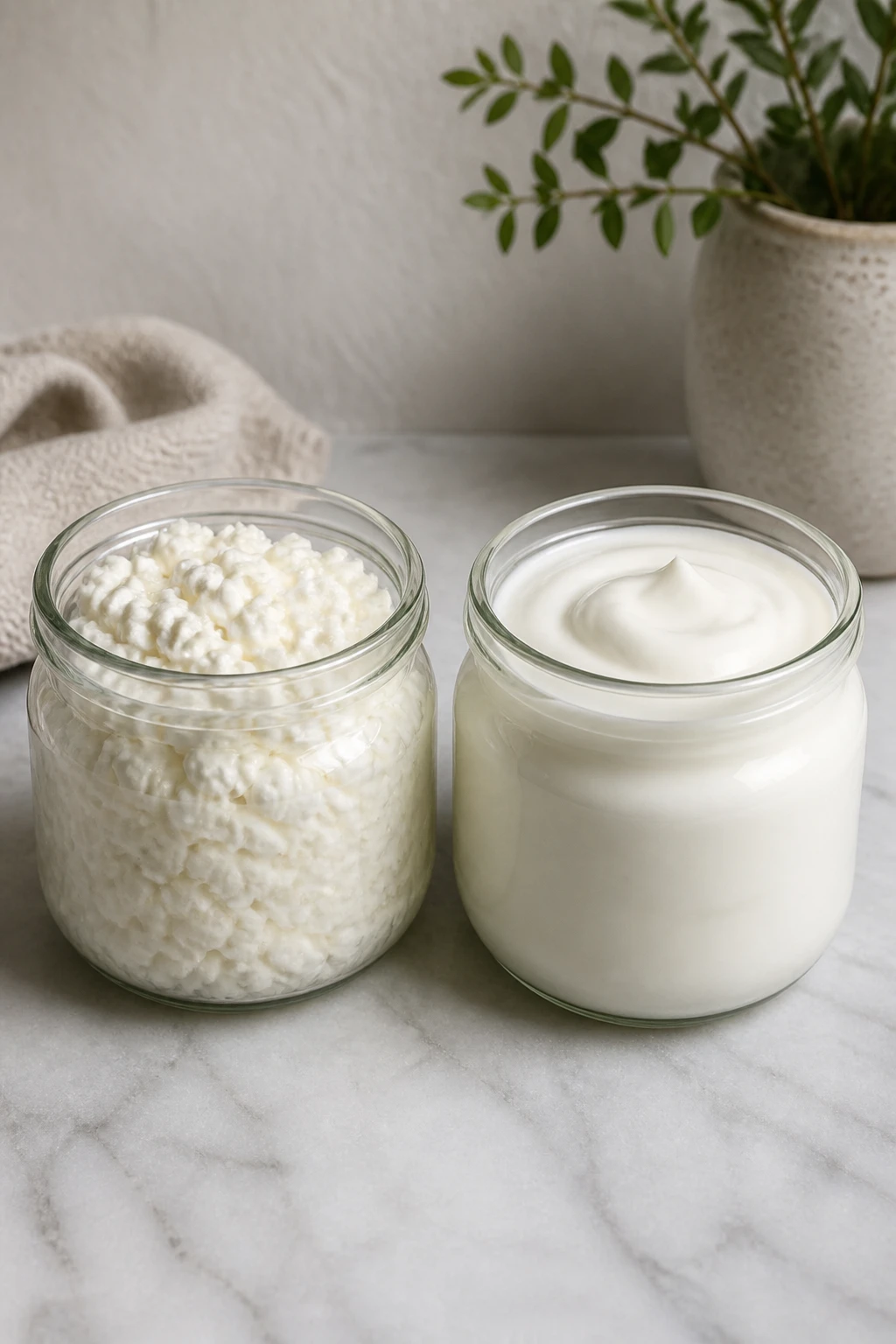
– Probiotic impact depends on the product. Greek yogurt labeled with live and active cultures is your best bet for gut-friendly microbes.
– If digestion is your concern, consider flavorings and additives—both can hide unwanted ingredients. FYI, always check the label.
Versatility: How Do You Use Each?
– Cottage cheese: great for savory toppings, fruit bowls, or as a protein-rich base for salads. It holds its shape and gives you a bit of bite.
– Greek yogurt: excellent for smoothies, dressings, dips, desserts, and as a thicker base for sauces. It brings creaminess without the heaviness of cream.
Flavor and Enjoyability: Do You Prefer Tang or Creaminess?

– If you love tang, Greek yogurt delivers that puckery finish. It pairs well with honey, berries, and granola when you’re in the mood for a snack with zing.
– If you’re into milder flavors with a chew, cottage cheese is your friend. It takes on toppings nicely and can be both savory and sweet.
Price and Accessibility: A Real-World Check
-Greek yogurt often sits at a premium compared to cottage cheese, depending on where you shop.
– Cottage cheese can be a budget-friendly staple, especially store brands. That said, premium organic options exist for both.
Subsections: Grocery Store Hacks
Brand Matters More Than You Think
– Look for products with simple ingredient lists. The fewer additives, the better.
– Check sugar content in yogurt—some fruit varieties sneak in a lot of sugar.
Texture Tricks
– Want a thicker Greek yogurt? Choose the extra-thick or strained varieties, or simply shake the container to gauge viscosity.
– For cottage cheese, try different curd sizes; small-curd tends to be creamier, large-curd offers more bite.
FAQ: Quick Answers To Common Questions
Is Greek yogurt better for weight loss than cottage cheese?
Par for the course: both can support weight loss when used in a balanced plan. Greek yogurt’s higher protein can help with fullness, but watch out for added sugars in flavored versions. Cottage cheese can be a lower-calorie, high-protein option if you choose plain, low-sodium varieties.
Which is higher in calcium?
Greek yogurt generally packs more calcium per serving, but cottage cheese still offers a respectable amount. Fortified options can push the numbers up for either.
Are there dairy-free alternatives that mimic these textures?
Yes! If you’re avoiding dairy, look at almond, soy, or coconut yogurt for Greek yogurt-style creaminess, and for cottage cheese substitutes, there are soy-based curd options. The flavor and texture won’t be an exact match, but they’re tasty stand-ins.
Can you eat both daily without issues?
Absolutely. Variety keeps things interesting and covers more nutrient bases. If you have dairy sensitivities, consider your tolerance and opt for lactose-free options or non-dairy alternatives.
Which is better for athletes?
If you want a quick protein hit after training, Greek yogurt shines with high-quality protein and probiotics. Cottage cheese is excellent for a slow-release protein snack, which can be great before bed or between workouts.
Do toppings ruin the health benefits?
Toppings can either enhance or undo the health benefits. Choose fruits, nuts, or seeds over sugar-laden syrups or heavy drizzleings. FYI, moderation is key.
Bottom Line: Which One Wins For You?
– If you crave a protein-packed, tangy dairy with versatile culinary use, go Greek yogurt.
– If you want a milder, chunkier texture, cost-friendly option, and slow-release protein, cottage cheese is your best bet.
– The real win comes from understanding your goals: fullness, muscle maintenance, appetite control, or daily protein targets. Mix and match to keep things interesting.
Conclusion
So, which has more benefits? The short answer: it depends on what you’re optimizing for. Greek yogurt tends to win on protein density, calcium, and probiotic content. Cottage cheese often wins on texture variety, cost, and slow-digesting protein. IMO, you don’t have to pick just one. Keep both on hand, use them in different meals, and enjoy the variety. FYI, your taste buds will thank you.
Leave a Reply