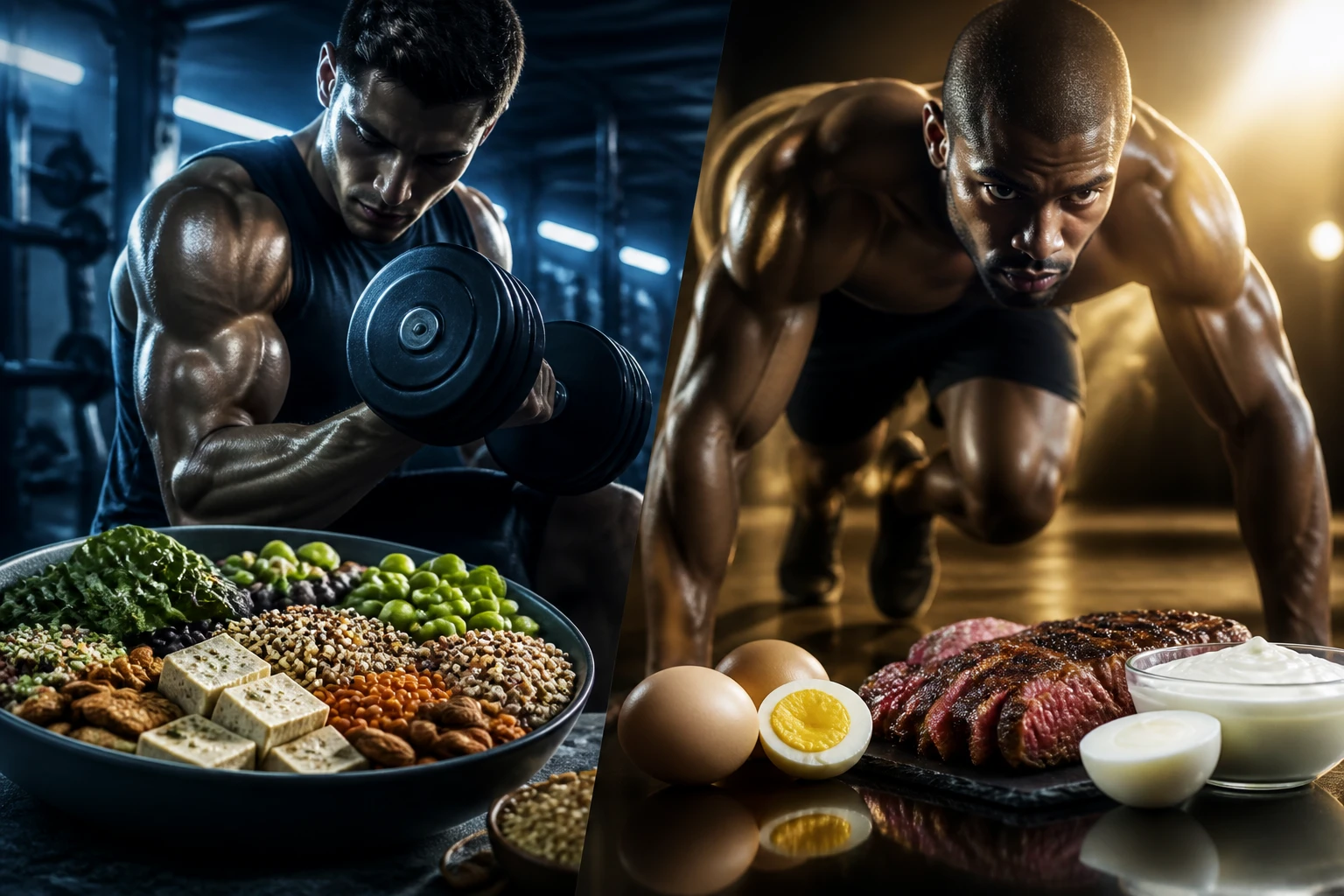
Short introduction: If you want bigger gains without the gut drama, you’re in the right place. We’re tearing down myths, comparing actual muscle-building chops, and giving you a practical, no-nonsense view on plant vs animal protein. Spoiler: it’s not as black-and-white as “plants bad, meat good.”
What Actually Drives Muscle Growth: Protein Quality vs. Quantity
Muscle growth hinges on two big levers: total protein intake and how well your protein sources supply essential amino acids, especially leucine. Leucine acts like a spark plug, telling your muscles to grow. Do plant proteins deliver enough of it per meal? Sometimes, yes; sometimes, not without a little planning. Do animal proteins deliver it more consistently? Usually, yes. The trick is timing, variety, and total daily grams.
– Protein quantity matters more than the source at a given meal.
– Leucine-rich options help maximize the muscle-building signal.
– You can absolutely hit optimal protein with plants if you combine sources.
How Much Protein Do You Really Need for Muscle?
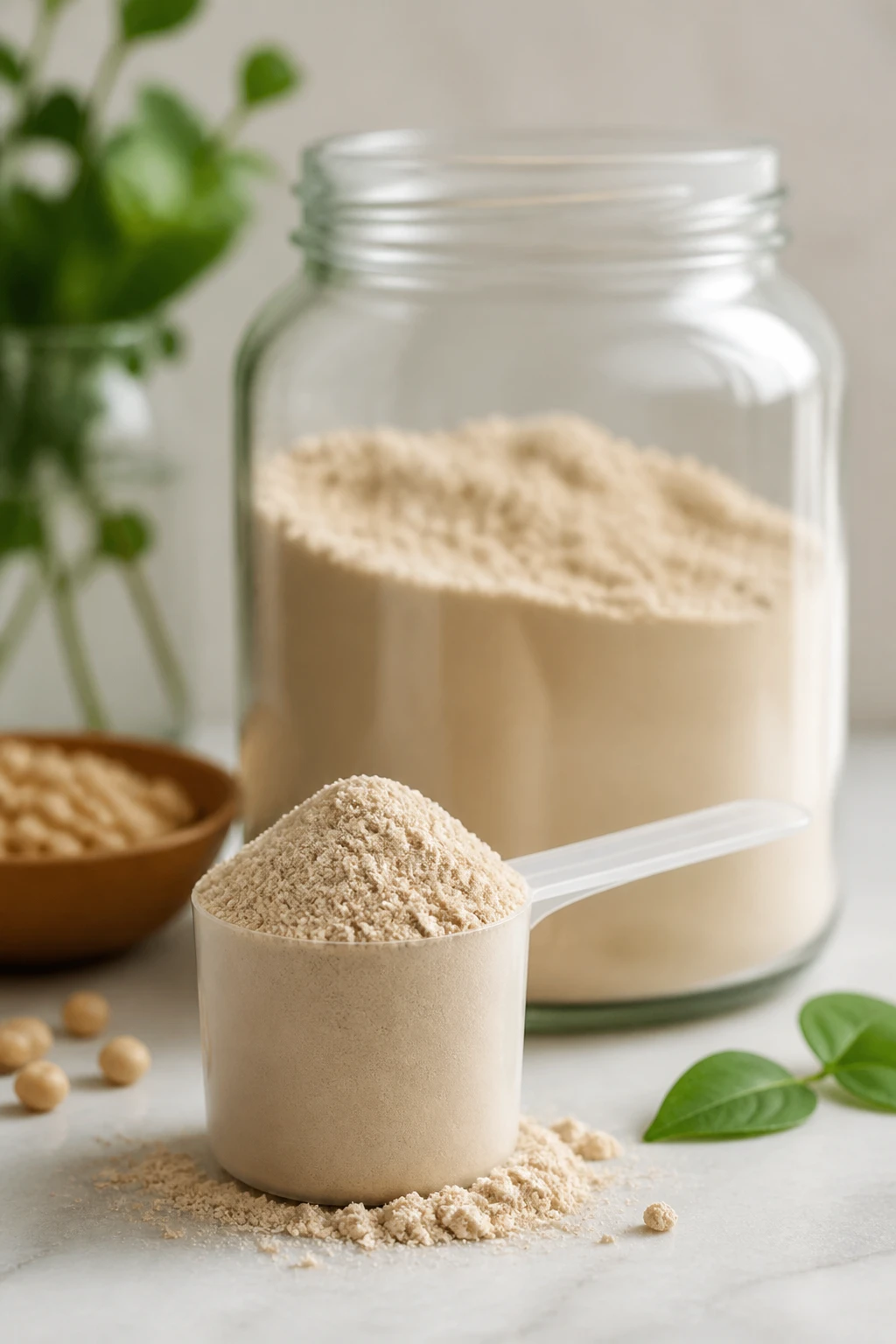
Daily needs vary by body size, training intensity, and goals. A common target for building muscle is about 1.6 to 2.2 grams of protein per kilogram of body weight per day. If you’re smaller or just starting, you can sit closer to 1.6 g/kg; bigger athletes or heavy lifters may push toward 2.0–2.2 g/kg. Spread this across 3–5 meals, each containing roughly 0.25–0.4 g/kg per sitting.
– Adults lifting weights regularly tend to benefit from the higher end.
– Don’t obsess over every gram; consistency beats perfection.
– Use protein timing to support workouts, not to stress you out.
Plant Protein: Can You Build Serious Muscle Without Meat?
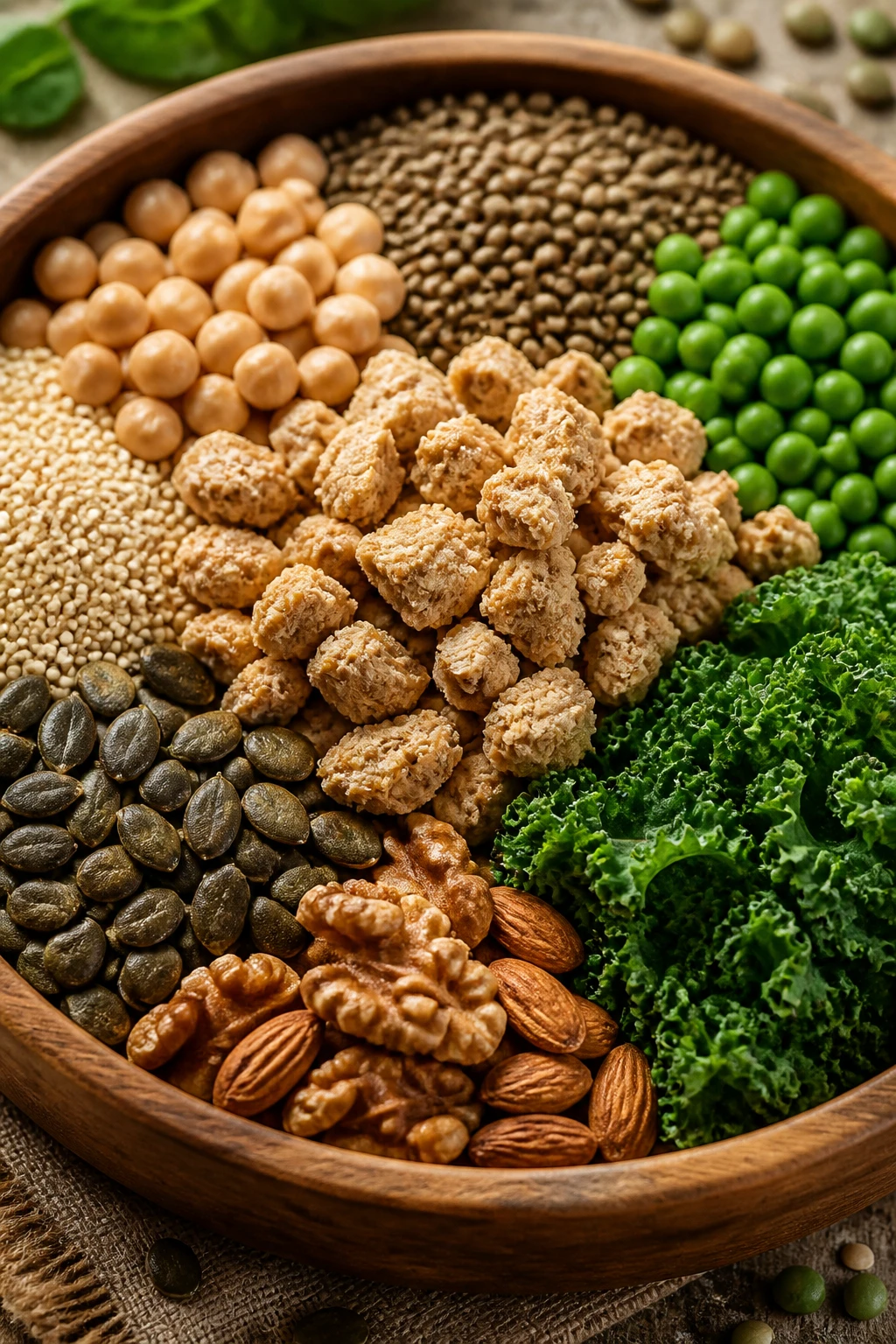
Yes, you can. The key is protein diversity and strategic planning. Most single plant proteins are lower in one or more essential amino acids or have lower digestibility. The good news: you don’t need perfect single-source proteins every meal. A balanced plate across the day can hit all the bases.
– Combine legumes with grains (think beans and rice) to cover amino acid gaps.
– Include soy products like tofu, tempeh, or edamame for higher leucine punch.
– Don’t neglect dairy or eggs if you’re not vegan; they’re excellent plant-complement-friendly options too.
Animal Protein: The Trusted Muscle-Building Contender
Animal proteins naturally come with a favorable amino acid profile and high digestibility. They’re reliable for hitting that leucine threshold quickly. That doesn’t mean they’re magic; you still need enough total protein and a balanced diet. The upside is fewer meal-time gymnastics to reach your targets.
– Whey protein is one of the most leucine-rich options per gram.
– Lean meats, eggs, and dairy provide high-quality protein with superb bioavailability.
– If you’re cutting, animal proteins tend to help preserve lean mass with less total volume.
Bringing Plant and Animal Proteins Together: The Hybrid Approach
Most real-world lifters don’t eat only plants or only meat. They mix and match. A hybrid approach can offer the best of both worlds: high-quality amino acids with a broader nutrient profile and more variety at meals.
– Use plant-forward meals most days, with animal proteins sprinkled in around workouts.
– Balance ketones (if you’re into low-carb) with time your leucine-rich meals post-workout.
– Consider supplements if you’re vegan or have higher protein needs (more on that in a moment).
Subsection: Timing Matters, But It’s Not a Magic Switch
The once-believed “every meal must have X grams of protein” rule isn’t sacred. What matters is total daily protein and anchoring a couple of meals around workouts. A practical approach: have a protein-rich meal within 1–2 hours after training, then spread the rest evenly through the day.
– Post-workout protein helps with muscle protein synthesis (MPS).
– If you train fasted, your post-workout window still benefits from protein.
– Supplements can help when meals can’t meet targets.
Digestibility, Satiety, and Real-World Food Feel
Protein quality isn’t only about amino acids; it’s also about how your body handles it. Digestibility, fullness, and how you actually enjoy your meals affect adherence to a protein plan.
– Animal proteins typically have higher digestibility, which can mean quicker amino acid delivery.
– Plant proteins often come with fiber and other nutrients that aid digestion and fullness but may slow absorption slightly.
– A mix can smooth out plateaus: you get steady amino acid delivery and better fullness control.
Subsection: Practical Food Picks That Hit Protein Targets
– Plant-forward: lentils with quinoa, chickpeas with brown rice, tofu stir-fries with veggies, tempeh sandwiches.
– Quick hits: Greek yogurt, eggs, cottage cheese, and canned tuna or salmon for easy protein bumps.
– Smart snacks: protein bars with a mix of plant and dairy proteins, smoothie with pea protein plus a dairy option for leucine boost.
Myths Busted: Common Beliefs About Plant vs Animal Protein
– Myth: You can’t grow muscle on a vegan diet. Reality: You can—with planning and enough total protein.
– Myth: Animal protein is inherently superior for everyone. Reality: It’s usually easier to hit leucine thresholds, but not required if you plan well with plants.
– Myth: Supplements are cheating. Reality: They’re tools to help meet targets when real food falls short.
Subsection: The Leucine Challenge in Plant Proteins
Leucine content isn’t the same across plants. Some plant proteins have higher leucine density than others. If you’re plant-based, consider including leucine-rich options like soy, seitan, or pea protein, and pair with other amino-acid-rich foods to reach the spark that tells muscles to grow.
Practical Plans: Sample Day Meal Ideas
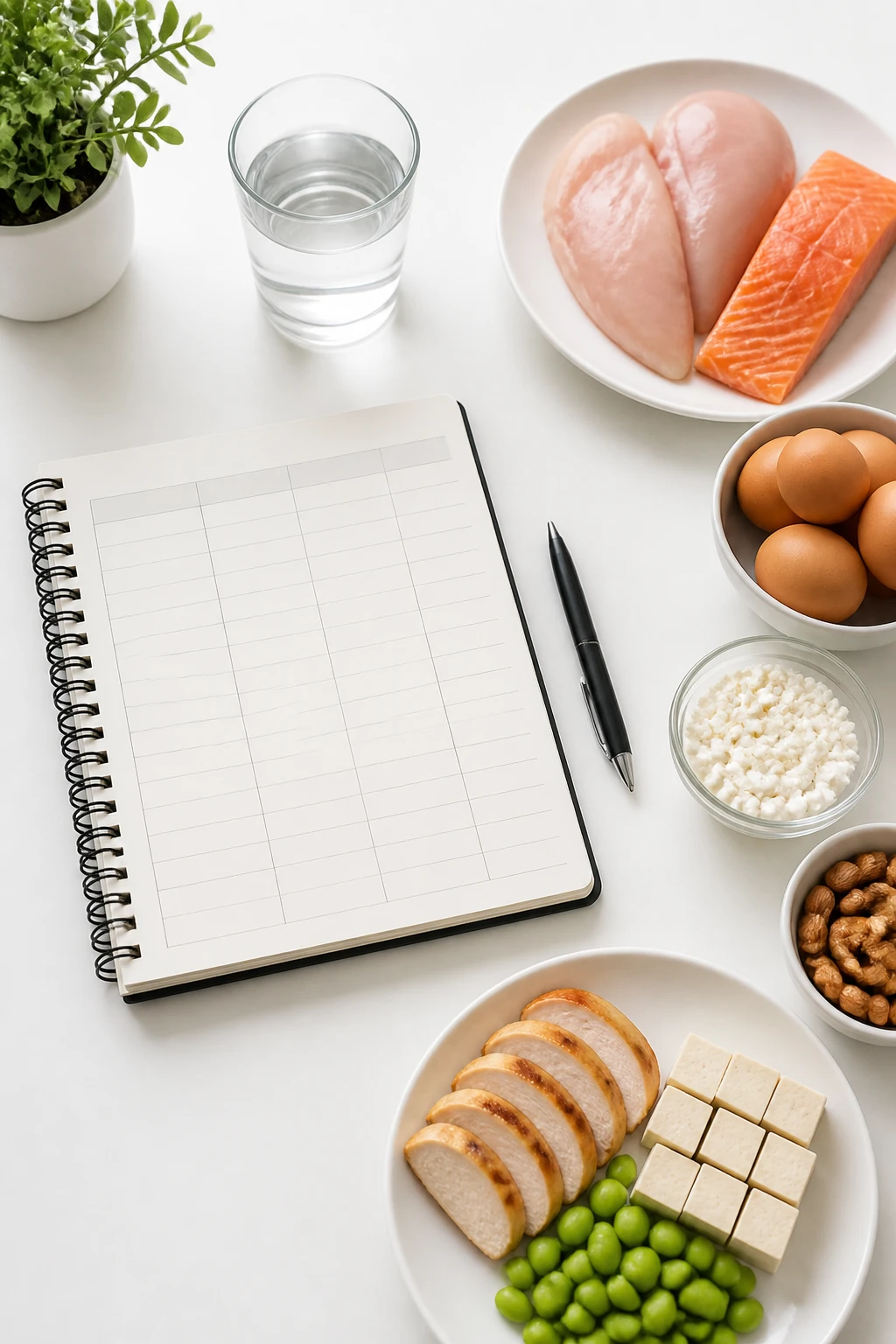
– Omnivore day: eggs + Greek yogurt for breakfast; chicken breast with quinoa and broccoli for lunch; salmon and sweet potato for dinner; a whey protein shake post-workout.
– Plant-forward day: overnight oats with pea protein; lentil and vegetable curry with basmati rice; tofu or tempeh stir-fry with mixed veggies; a mixed-nuts snack bar and a soy yogurt.
– Hybrid day: turkey chili with black beans; veggie omelet with cheese; tuna salad on whole-grain bread; a protein smoothie with a mix of plant and dairy proteins.
FAQs
Can I really build muscle on a vegan diet?
Yes. With careful planning and enough total protein, you can hit muscle-building targets. Focus on a variety of protein sources across the day, prioritize leucine-rich options, and consider fortified foods or supplements if needed.
Is whey protein better than plant proteins for muscle gains?
Whey is highly digestible and rich in leucine, which helps with muscle protein synthesis. Plant proteins work well too, especially when you combine sources to cover all amino acids and reach that leucine threshold per meal.
How much protein should I eat per meal?
Aim for roughly 0.25–0.4 g/kg per meal, depending on your total daily target and meal frequency. That usually lands you in the 20–40 gram range per sitting for many lifters, but adjust based on appetite and body size.
Do I need supplements to maximize gains on a plant-based diet?
Not strictly. Most people can meet protein goals with food alone, but supplements like a complete plant protein powder or fortified foods can simplify hitting the leucine threshold and daily totals, especially around workouts.
What about digestibility and who should avoid plant proteins?
If you have gut sensitivities, you might respond differently to certain plant proteins. Some people tolerate dairy or eggs better. For others, combining plant proteins and cooking methods (soaking beans, proper grain preparation) improves digestibility and reduces gas.
Conclusion
So, which builds more muscle: plant or animal protein? The blunt truth: it isn’t a simple race to the finish line where one clearly wins. It’s about hitting your total daily protein targets, ensuring you get enough leucine per meal, and choosing sources you can stick with long-term. Animal proteins tend to make the leucine target easier to hit with fewer meals, but a well-planned plant-based approach can absolutely get you there and even offer other benefits like fiber and heart-healthy nutrients. FYI, consistency trumps perfection every time.
If you’re vegan or thinking about dialing back meat, start with a plan: map out your protein across meals, pick a few reliable plant pairs, and consider a supplementation option only if needed. And yes, you can still enjoy your meals, feel satisfied, and chase those gains without sacrificing flavor or ethics. IMO, the best approach is hybrid for most people—maximize your protein quality while keeping meals enjoyable, varied, and sustainable.
Leave a Reply