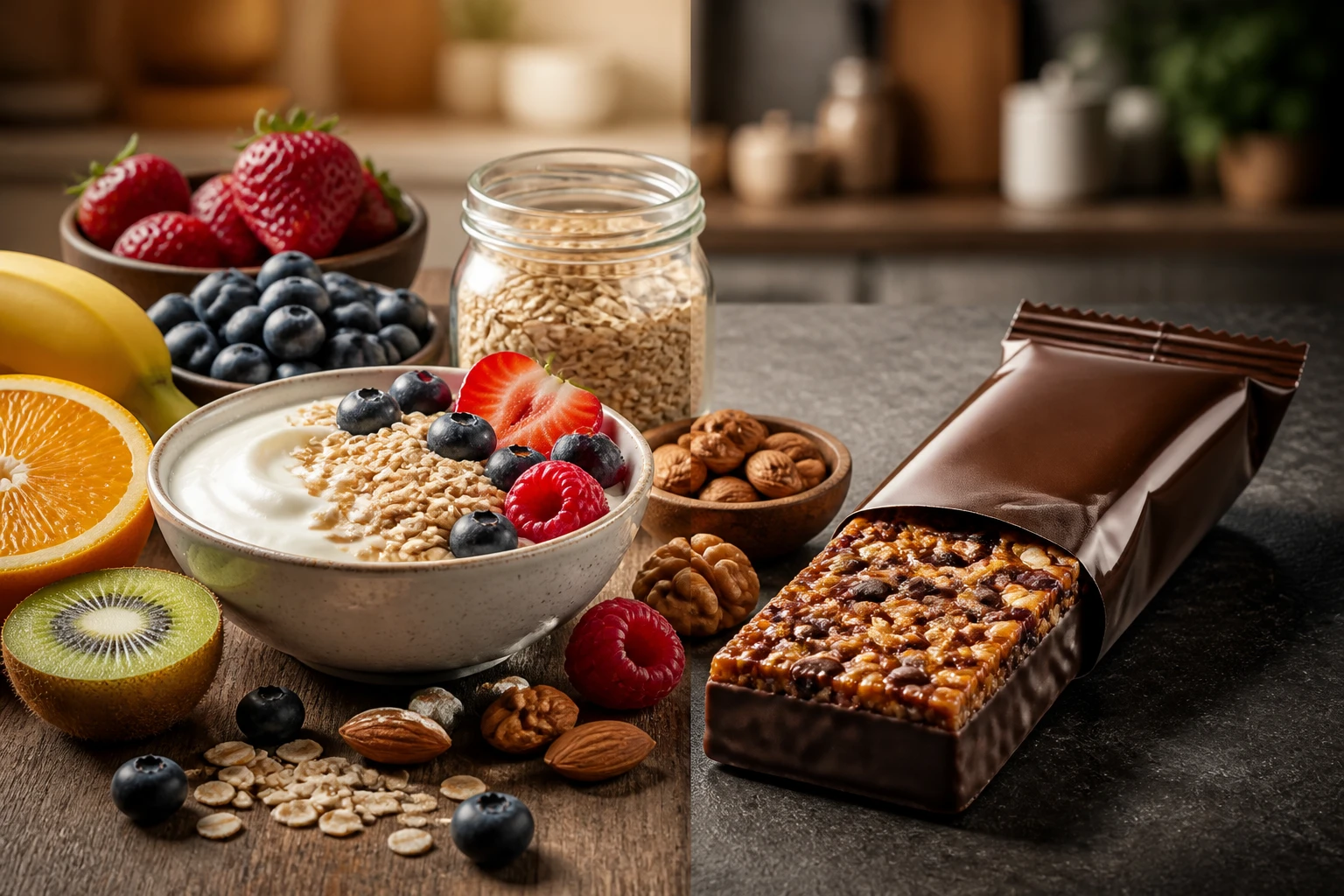
An ever-growing snack aisle urges you to pick sides like a reality show jury. Are protein bars the hero you need, or is real food still the reigning champ? Let’s break it down, no fluff, just practical truth bombs you can actually use.
What’s on the Label, Really? Reading Protein Bars Like a Pro

Protein bars come with a lot of claims: “high protein,” “low sugar,” “fiber-packed.” But the magic is in the details, not the hype. Read the whole ingredient list, not just the front label.
Mind the Protein Source
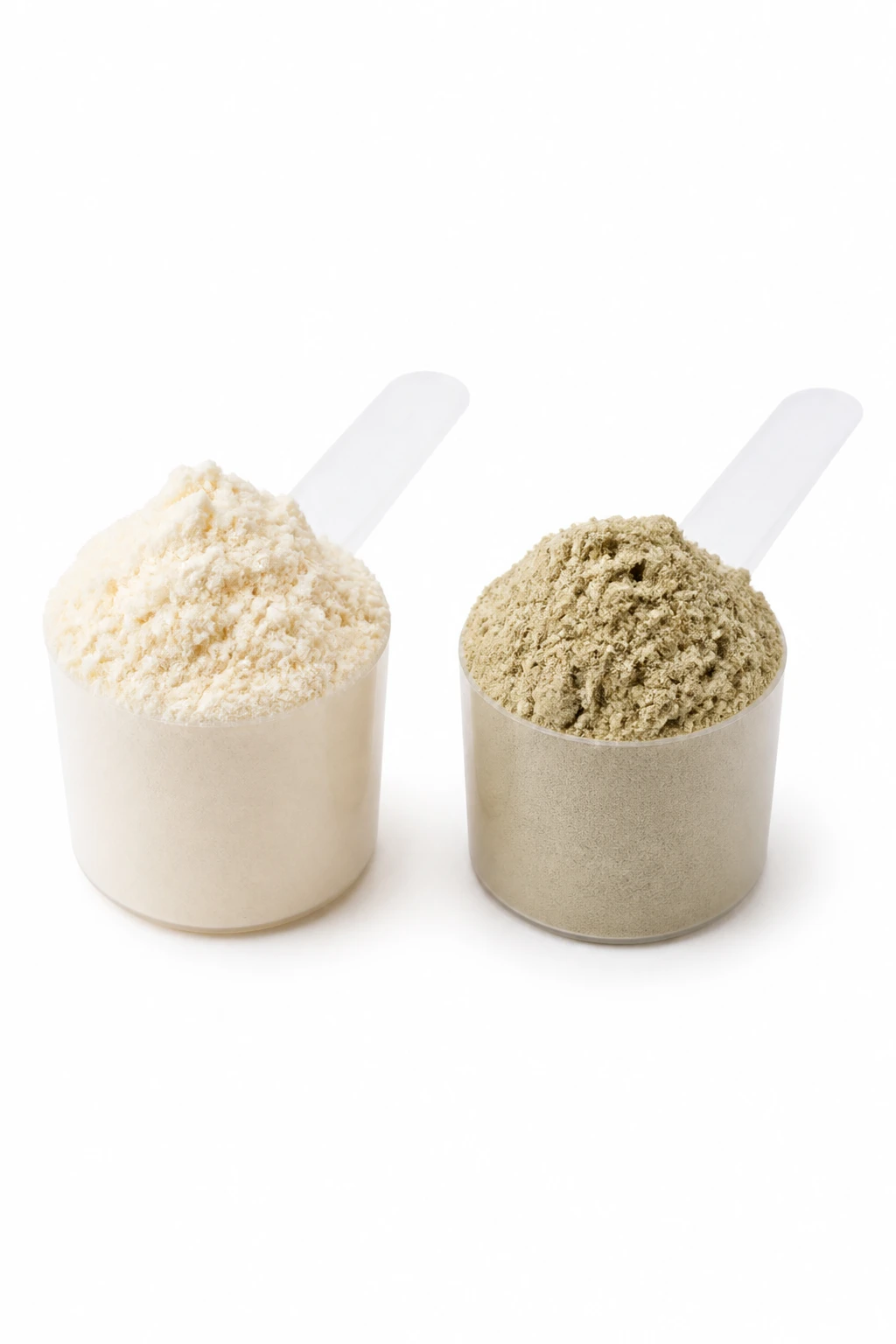
– Whey and soy are common, but some bars lean on collagen or specially engineered blends. Whey is awesome for quick absorption, while plant proteins can be gentler on the gut if you’re dairy-free.
– Check the amino acid profile. A good bar should give you a meaningful amount of essential amino acids, not just a sprinkle.
Sugar vs Fiber—Not a Myth
– Many bars sneak in added sugars, syrups, or sugar alcohols. These can spike your blood sugar and gut cramps later, depending on your tolerance.
– Look for bars with whole-food ingredients and a modest sugar count. Bonus points for fiber that actually sticks around.
Hidden Calories—Where They Hide
– Some bars look lean but carry a hefty calorie load because of fats or fillers. If you’re counting calories, track the real numbers, not the marketing.
Real Food Wins on Satiety and Flavor
Real food tends to fill you up longer and tastes better when you’re actually hungry. Let’s talk about why.
Protein, Fats, and Fiber—The Holy Trinity
– Real meals usually deliver a balanced mix that dampens hunger for longer.
– If you’re choosing between a bar and a yogurt + fruit, the combo can outpace a single-bar option in satiety.
Texture and Enjoyment
– Flavor and texture matter. If you dread eating it, you’ll grab it less often. Real food can feel satisfying in a way a processed bar sometimes can’t—especially when you add fats like avocado, nuts, or olive oil.
When a Bar Makes Sense: Times to Reach for It

Protein bars aren’t the enemy; they’re a tool. Here are moments where they shine.
On-the-Go Nerves
– You’re rushing between meetings? A bar can bridge the gap and keep you from grabbing junk food. It’s a pragmatic choice when options are slim.
Post-Workout Convenience
– If you’re in the middle of a workout season and you need a quick protein hit, bars with around 20-25 grams of protein can help. Just don’t forget water and a proper post-workout meal soon after.
Traveling or Busy Days
– Airports, road trips, or long days in the field demand portability. Bars travel well and don’t spill in your bag. FYI, carry an extra one in case a vending machine conspiracy is afoot.
When Real Food Reigns: Best Situations for Skipping the Bar
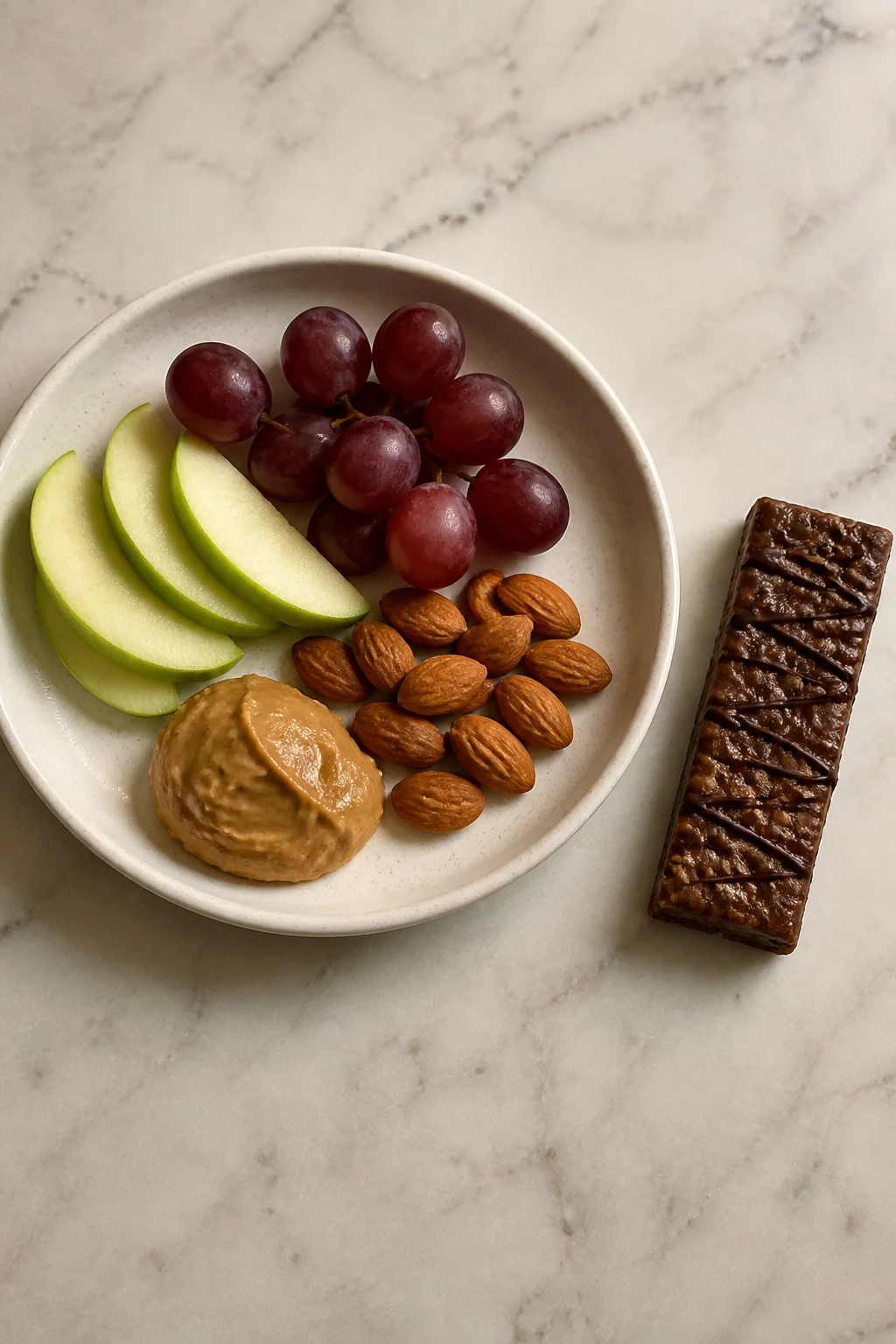
Real food should be your default whenever possible. Here’s why it often wins.
Long-Term Nutrition Quality
– Whole foods usually offer better micronutrients, fewer additives, and more satisfying textures. They also give you a sense of normal eating rather than a quick fix.
Digestive Comfort
– Some people tolerate bars with sugar alcohols poorly. If you have a sensitive gut, real food or bars with simple, clean ingredients might be gentler on your digestion.
Balancing Act: How to Integrate Bars Without Missing the Point
The best approach isn’t “bars only” or “real food only.” It’s balance and intention.
Pairing Strategy
– If you love bars, pair them with a small piece of fruit, a handful of nuts, or a dairy option to improve satiety and micronutrient intake.
– On days you’re craving real meals, consider building a quick mini-meal that’s portable: a tuna pouch + whole-grain crackers, or a yogurt parfait with berries and granola.
Portion Control and Personalization
– Your protein needs, activity level, and goals affect what works. A 150-200 kcal bar with 15-20 grams of protein can fit many, but endurance athletes may need more.
Nutritional Compare: Quick, Honest Breakdown
Here’s a practical cheat sheet to help you decide in real life.
- Protein Bars: Convenience, portability, quick protein hit, variable sugar content, potential additives.
- Real Food: Whole nutrients, better satiety, customizable meals, sometimes less portable.
- Ideal Use: Bars for travel or busy days; real food for meals and steady energy.
Sample Scenarios
- Morning rush: Bar for protein, fruit on the side.
- Post-workout: Bar can help, but add a real food source within a short window.
- Meal replacement: Real food wins; bars should supplement, not replace.
Special Considerations: Dietary Needs and Personal Preferences
Not everyone reacts the same way to bars or real foods.
Allergies and Intolerances
– If dairy-free or gluten-free, read labels carefully. Many bars cater to allergies, but cross-contamination is possible.
Budget and Accessibility
– Bars can be pricey per gram of protein. Look for versatile staples like eggs, beans, canned fish, or Greek yogurt to stretch your budget.
Taste Fatigue
– You’ll get bored of the same bars fast. Rotate flavors or switch to real-food snacks that you actually crave.
FAQ
Are protein bars healthier than a sandwich?
Protein bars aren’t inherently healthier. It depends on the ingredients and your goals. A well-made bar can provide convenience and decent protein, but a sandwich often offers better balance, micronutrients, and satiety. Read labels, compare macros, and choose what fits your plan—don’t just chase the label.
Can I replace meals with protein bars?
If you’re in a pinch and need a temporary meal stand-in, a bar could do the trick, but it’s not ideal for most people long-term. Real meals provide micronutrients and fiber that bars often lack. Use bars as a supplement, not a substitute, for most meals.
How do I choose a bar with good ingredients?
Look for bars with:
– Short ingredient lists
– Whole-food bases (nuts, oats, seeds)
– No artificial sweeteners if you’re sensitive
– At least 15-20 grams of protein
– Moderate sugar and fiber content
This combo usually means fewer gut disagreements and better overall nutrition.
What about sugar alcohols and digestion?
Sugar alcohols can cause bloating or laxative effects for some people. If you notice GI distress, try bars without sugar alcohols or with natural sweeteners like dates or honey in moderate amounts. FYI, everyone’s tolerance varies, so trial-and-error helps.
Are real foods always cheaper than bars?
Not always. It depends on location and choices. Beans, oats, eggs, and canned fish can be cheap and protein-dense. Bars sometimes seem cost-effective due to portability, but the price per gram of protein and micronutrient variety matters more. Do the math you need.
Conclusion
Protein bars aren’t evil, but they aren’t magic either. They shine when you need quick protein, portability, and a reliable option during busy days. Real food, meanwhile, delivers better satiety, micronutrients, and long-term nutritional quality. The smart move is to use both—bars as a convenient tool and real food as your foundation. IMO, you’ll sleep better at night knowing you’re nourishing your body with intention, not just satisfying a snack craving.
If you want my short-and-sweet verdict: choose real food for most meals, keep a couple of bars handy for emergencies or ultra-busy days, and remember that variety is the spice of life (and your gut’s best friend).
Leave a Reply